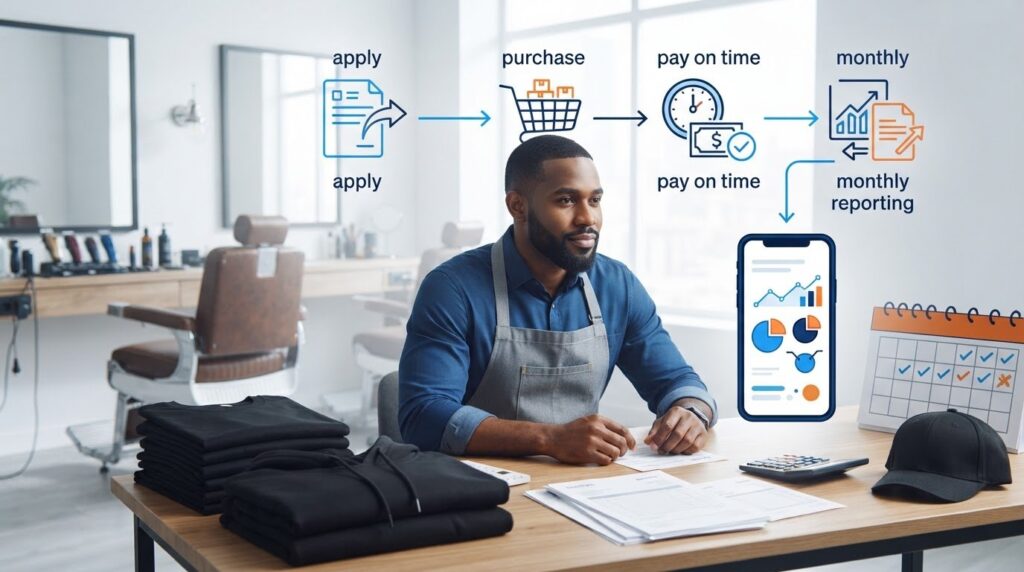


What if your mission’s growth wasn’t tied to your personal credit score? Most founders feel the constant weight of using personal guarantees for organization expenses, which creates unnecessary personal risk. This guide teaches you the exact path for non-profit organization business credit building using Net 30 vendors and EIN-only tradelines. You’ll learn how to separate your personal assets, qualify for higher-tier credit, and ensure consistent reporting to major bureaus like Equifax and Creditsafe. We’ll break down the mechanics of vendor reporting and provide a clear, actionable checklist to help you move from a blank file to a seasoned financial history.
Key Takeaways
- Discover how Net 30 vendors allow your organization to purchase essential supplies while establishing a formal payment history.
- Protect your personal financial health by qualifying for EIN-only credit lines that don’t require a personal guarantee.
- Master the process of non-profit organization business credit building to unlock access to future grants and higher-tier financing.
- Ensure your organization’s reliability is visible to partners by reporting consistent payment data to Equifax and Creditsafe.
- Learn the 5-step cycle to turn routine mission expenses into powerful tradelines that strengthen your organization’s financial foundation.
What is The CEO Creative and How Does it Support Non-Profit Credit?
The CEO Creative is a reporting Net 30 vendor that helps mission-driven organizations scale with confidence. Our platform serves as a foundational resource for non-profit organization business credit building by providing access to essential supplies on credit terms. In 2026, you can establish a professional brand and a robust credit file simultaneously. We provide the products your team needs while ensuring your on-time payments contribute to your organization’s financial reputation.
A Nonprofit organization must maintain high standards of accountability and financial health. By focusing on your Employer Identification Number (EIN), we help you build credit for the entity rather than relying on the personal social security numbers of founders or board members. This content is for educational purposes only and is not financial or legal advice. We make no guarantees regarding specific credit score increases.
Why Non-Profits Need a Corporate Credit Profile
Separating personal and organizational liabilities is a critical step for any board. A dedicated credit profile protects individual members and ensures the organization’s debts remain its own. This separation also increases your eligibility for future expansion grants and community funding. Large donors and financial institutions often check business credit files to verify an entity’s operational history. A visible file builds trust and proves your organization is a reliable partner for long-term projects.
The CEO Creative Membership Advantage
Our membership program provides exclusive access to business credit building tools designed for growth. You can engage in strategic purchasing of customizable products, such as branded apparel or event materials, which we report directly to the bureaus. We’ve streamlined the approval process specifically to support new LLCs and non-profit entities. This allows your team to skip the red tape of traditional retail and start establishing a payment history from day one.
Understanding Net 30 Terms and Vendor Tradelines for Organizations
Net 30 terms are a simple concept that provides significant leverage for your mission. When a vendor offers these terms, it means you pay the full invoice balance within 30 days of the invoice date. For a non-profit, this functions like a short-term, interest-free credit line. You get the supplies needed for your next community event today, but your cash stays in the bank for another month. This approach is a foundational element of non-profit organization business credit building.
A vendor tradeline is the actual record of this transaction reported to business credit bureaus. It’s not just about spending money; it’s about creating a documented history of reliability. This differs from traditional bank loans because many banks are hesitant to work with 501(c)(3) entities that lack a long financial history. Tier 1 vendors are the solution. They don’t require high revenue or years of tax returns. They simply require a valid EIN and a commitment to pay on time. This is the first step in establishing business credit as a new organization.
The Mechanics of Payment Reporting
Consistent on-time payments are the engine of your credit score. Business bureaus look at how often you meet your deadlines to determine your organization’s risk level. If you pay early, you often see a faster improvement in your internal standing with vendors. Some scoring models even reward you for settling invoices before the 30-day mark. Always ensure your organizational EIN is correctly linked to every account. This ensures the credit history attaches to the organization, not the individual administrator’s personal profile.
Essential Terminology for Non-Profit Administrators
Administrators must understand the difference between personal guarantees and corporate-only credit. A personal guarantee puts your own assets at risk if the organization can’t pay. Corporate-only credit relies solely on the organization’s EIN. This separation is a key part of non-profit organization business credit building. As you build history, your credit limits will grow. This allows you to handle larger projects without financial strain. You can learn more about how these terms work by reviewing our guide on What is Net 30? Understanding Business Payment Terms.
If you’re ready to start, you can apply for a business account today to begin your journey.
Reporting to Major Bureaus: Equifax, Creditsafe, and FairFigure
Your organization’s financial reputation lives within the databases of major business credit bureaus. Equifax Business plays a central role in non-profit organization business credit building, as many financial institutions pull these reports before approving high-tier credit lines or loans. Creditsafe reporting is equally vital. It provides a global perspective on your entity’s reliability, which helps build trust with both local and international vendors. When you pay a Net 30 invoice, that data doesn’t appear instantly. Most vendors follow a specific reporting schedule, often moving data to the bureaus on a monthly cycle.
FairFigure serves as a powerful ally in this process. It allows you to track your organization’s credit progress in real-time. Instead of wondering if your recent payments have registered, you can see exactly how your profile is evolving. This transparency is essential for administrators who need to demonstrate financial health to board members or potential donors. Understanding How to Build Business Credit Quickly often comes down to how effectively you monitor these reporting channels.
Data Consistency: The Foundation of Credit
Credit bureaus use automated systems to match payment data to your organization. This means your name, address, and phone number must be identical across every account. Bureaus often verify this information against your Secretary of State filing. A simple typo in your street address or a slight variation in your organization’s name can create a “split file.” When this happens, your positive payment history gets scattered, making your credit profile look weaker than it actually is. Double-check every application to ensure 100% accuracy.
Monitoring Your Non-Profit’s Progress
Regularly reviewing your bureau reports helps you identify areas for improvement before you apply for major funding. A Creditsafe or Equifax report shows your payment trends and any potential red flags. If you notice an error, contact the reporting vendor immediately to correct your information. Keeping your organization’s details updated ensures that every on-time payment contributes to your score. Consistent monitoring allows you to spot issues early and maintain a trajectory of growth.
Your Step-by-Step Non-Profit Credit Building Checklist
Building a credit profile isn’t a one-time event. It’s a rhythmic cycle that integrates with your daily operations. To master non-profit organization business credit building, you must move beyond the “one-and-done” mentality. Consistency is what signals reliability to the bureaus. By managing your cash flow through Net 30 terms, you can preserve immediate funds for community impact while simultaneously strengthening your financial foundation. This approach turns routine spending into a strategic asset for your mission.
The Implementation Checklist
Follow these steps to ensure your organization’s payment history is captured accurately. Each step is designed to build upon the last, creating a solid paper trail for the bureaus.
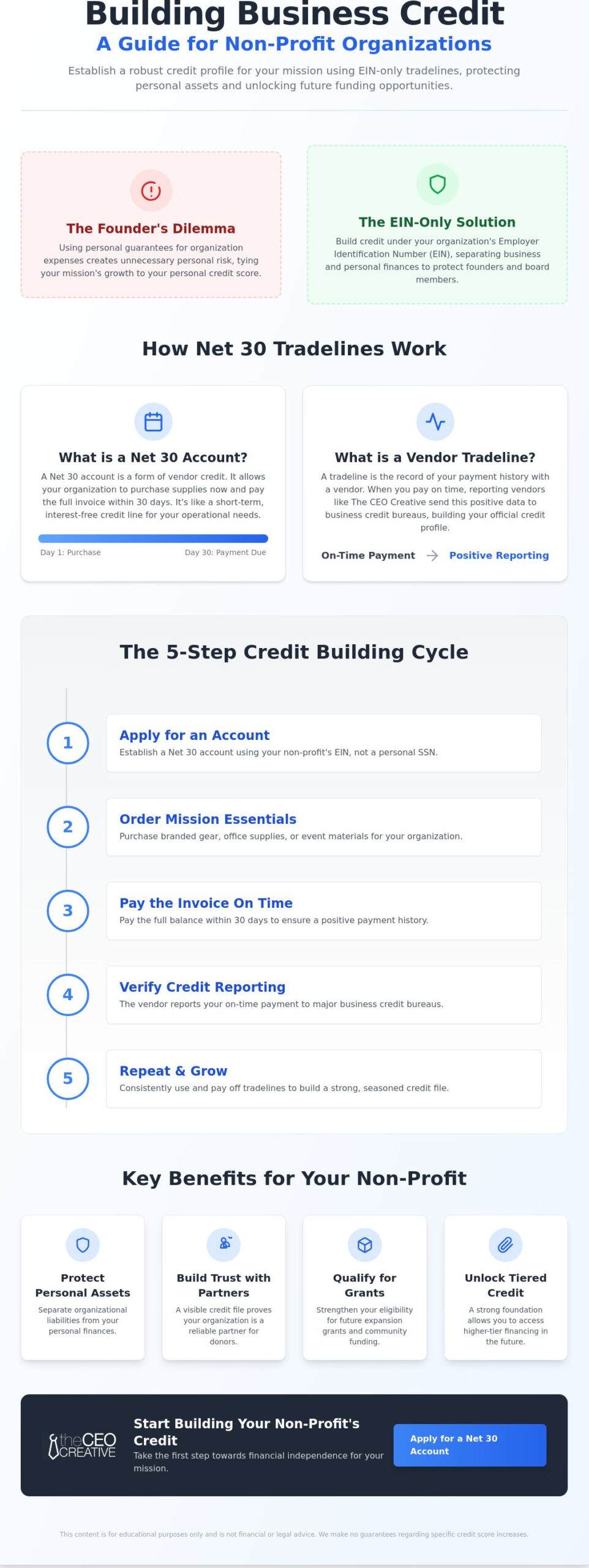
- Step 1: Apply for a business Net 30 account using your organization’s EIN. This ensures all credit activity is linked to the entity, not your personal file.
- Step 2: Place an order for essential office supplies or branded materials that your team already uses for daily operations.
- Step 3: Pay the invoice in full. Paying a few days early is a smart move, as it often triggers the most positive reporting from vendors to bureaus like Equifax.
- Step 4: Track your progress. Use monitoring tools like FairFigure to verify that your tradelines are appearing correctly on your report.
- Step 5: Repeat the process. Consistent monthly activity is the only way to maintain and grow a high credit score over time.
Common Mistakes to Avoid
Mistakes can stall your progress or lead to unnecessary confusion during the approval process. Avoid these common pitfalls to keep your non-profit organization business credit building on track:
- Applying with a personal email address (like Gmail or Yahoo) rather than a professional, domain-based email.
- Ignoring the consistency of your business address; your filing, billing, and shipping addresses should match exactly.
- Making late payments, which can severely damage a new business credit file faster than it was built.
- Failing to verify if a vendor actually reports to the major bureaus before you start spending.
- Ordering items you don’t actually need just to build credit. Focus on routine essentials to keep spending professional and sustainable.
- Neglecting to monitor your report for errors or split files, which can hide your true creditworthiness from lenders.
If you’re ready to secure your organization’s financial future, apply for a business Net 30 account today and start your first reporting cycle.
Leveraging Branded Gear and Office Supplies for Mission Growth
Every dollar your organization spends should serve a dual purpose. While you focus on community impact, your operational expenses can double as a strategy for non-profit organization business credit building. When you purchase items your team already needs, you create a paper trail of financial stability. This isn’t just about spending money. It’s about turning routine overhead into a tool that secures your entity’s future. Consistent spending on professional supplies signals to bureaus that your organization is active and well-managed, and if you are looking for high-quality, budget-friendly workspace solutions, check out Smart Buy Office Furniture.
Beyond functional furniture, the visual atmosphere of your office can reinforce your mission’s values for both staff and visitors. For those looking to add motivational decor to their workspace, discover American Luxury Gifts.
Onboarding kits are a perfect example of this strategy. When you welcome new volunteers or staff members, providing them with customizable products like branded mugs or notebooks sets a professional tone. These items represent a business transaction on your Net 30 account that reports directly to the bureaus. By keeping these purchases consistent, you maintain active tradelines that show lenders your organization is operational and reliable. This creates a foundation of trust before you ever need to apply for a major loan.
Custom Apparel for Your Organization
Team unity is vital for public events and community outreach. Ordering Net 30 apparel ensures your team looks cohesive while you build your credit profile. Branded uniforms help establish a local presence and make your organization easily identifiable during service projects. This visibility builds trust with the public and potential donors alike. It shows that your organization is established and serious about its mission. For more insights on this specific strategy, check out our guide on the Best Net 30 Apparel Vendors to Build Business Credit in 2026.
Stationery and Promotional Items
Professionalism signals stability to high-level donors and grant-making foundations. Using custom notebooks and pens during donor meetings shows a level of organizational maturity that standard retail items can’t match. You can further scale your brand identity through professional web packages that keep your digital and physical presence aligned. High-quality gear increases donor confidence. It proves that your non-profit is a well-managed entity with the underlying systems needed for long-term sustainability. Strategic spending on these essentials ensures your credit file remains active and ready for when your organization is ready to expand its reach.
Empower Your Mission with a Robust Credit Profile
Establishing a dedicated credit profile is a strategic move that protects your board and expands your mission’s reach. Mastering non-profit organization business credit building ensures your entity stands on its own. You’ve learned how Net 30 vendors and EIN-only tradelines create a separate identity that qualifies for higher funding without personal risk. This process transforms your routine operational costs into a track record that bureaus, donors, and lenders respect. We’re here to help you scale with confidence through a decision within one business day and reliable reporting to Equifax and Creditsafe.
Apply for your Non-Profit Net 30 Account and Start Building Credit Today
What happens next:
- Receive your account confirmation instantly using only your organization’s EIN.
- Access our member portal to select the professional gear and office supplies your team needs.
- Begin building your payment history as we report your activity to major business bureaus.
Building credit is a foundational step for any sustainable organization. By choosing products like custom mugs, branded apparel, or engraved items, you invest in your brand while securing your financial future. We’re proud to partner with organizations that are making a real difference in their communities.
Frequently Asked Questions
Can a non-profit build business credit without a personal guarantee?
Yes, you can establish credit without risking your personal assets. Many Net 30 vendors allow entities to build a profile using only their EIN. This creates a clear separation between the finances of board members and the organization’s liabilities. It’s a vital part of non-profit organization business credit building that ensures the entity stands on its own financial merits without requiring a personal signature.
Do Net 30 vendors report to all major business credit bureaus?
Not necessarily, as each vendor chooses which bureaus they partner with for data sharing. Some may report exclusively to Equifax Business, while others might include Creditsafe or Dun & Bradstreet. You should always verify a vendor’s reporting partners before opening an account. Consistent reporting to at least two major bureaus is necessary to build a visible and reliable credit history that lenders can trust.
How long does it take for a Net 30 account to show on my credit report?
It typically takes between 30 and 90 days for a new tradeline to appear on your business credit report. This timeline depends on when the vendor sends their monthly data file to the bureaus. Most vendors report once every 30 days. Maintaining active monthly spending ensures that your profile stays updated and reflects your most recent on-time payment behavior to the bureaus.
Does a non-profit need an EIN to start building business credit?
Yes, an Employer Identification Number is mandatory for establishing any form of corporate credit. The EIN serves as the unique identifier for your organization in the eyes of credit bureaus. Without this number, you can’t open vendor accounts that report to business bureaus. It’s the first requirement for building an independent entity profile and moving away from personal social security numbers.
Will paying my Net 30 invoice early help my business credit score?
Yes, paying your invoices early is one of the most effective ways to boost your score quickly. Many business credit models reward organizations that settle their balances before the actual 30-day deadline. This behavior demonstrates exceptional cash flow management and financial reliability. Consistently paying early can lead to higher credit limits and better terms from future lenders and service providers who value prompt payment.
What happens if my non-profit misses a Net 30 payment?
Missing a payment can lead to a significant drop in your organization’s business credit score. Late payments are reported to the bureaus and stay on your file for several years, signaling high risk to potential partners. If you face a temporary budget shortfall, contact your vendor immediately. Many are willing to work with you if you communicate before the payment becomes delinquent to avoid negative reporting.
Can I use business credit to qualify for non-profit grants?
Yes, a strong credit profile can serve as a powerful trust signal during the grant application process. Foundations and government agencies often review an entity’s financial history to ensure they are awarding funds to a stable, well-managed organization. A positive credit report provides third-party validation of your financial responsibility, which can make your grant proposals more competitive and professional to potential funding sources.
Is a personal credit check required for a Net 30 vendor account?
No, many specialized vendors offer approval based solely on your organization’s legal standing and EIN. This allows for effective non-profit organization business credit building without a hard inquiry on your personal credit report. It protects your personal score while you focus on the entity’s growth. Always look for vendors that offer approval with EIN only to keep your personal and professional finances separate.
How many tradelines does a non-profit need to establish a score?
Most bureaus require at least three to five active tradelines to generate an initial business credit score. A single account doesn’t provide enough data for bureaus to assess your organization’s risk level. By opening accounts with multiple reporting vendors, you create a diverse history. This variety shows that your organization can manage different types of credit obligations simultaneously and reliably across various vendors.
Do non-profit organizations have a D&B PAYDEX score?
Yes, non-profits can generate a PAYDEX score once they have a D-U-N-S number and active reporting tradelines. The PAYDEX score specifically measures how quickly an organization pays its bills on a scale of 1 to 100. A score of 80 or higher is considered excellent and indicates prompt payment. This score is frequently checked by larger vendors before they offer significant credit lines.
Building business credit? Open a Net 30 Account — EIN only, no personal guarantee, $60 minimum order, credit lines up to $5,500, a decision in one business day, and every on-time payment reported monthly to Equifax Business, Creditsafe and FairFigure.