

Rebranding can be a bit of a game-changer for businesses of all shapes and sizes. An effective rebranding strategy can breathe new life into your business, opening new doors of opportunities and even potentially expanding your customer base. But it’s not without its risks and challenges.
Definition of Rebranding
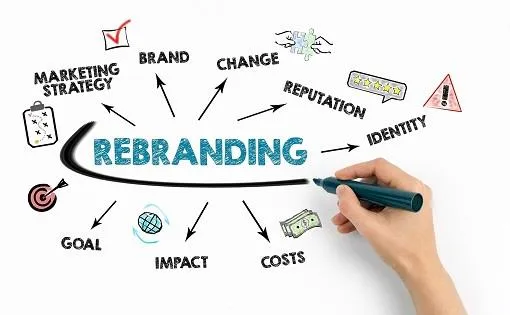
Rebranding, in its simplest form, involves changing the corporate image of an existing brand. It’s not always all about changing your logo or company name. It can involve a radical shift in your brand identity, target audience, and branding message. Your rebranding strategy may include changes in design elements, taglines, or even the vision and mission of your brand, all driven by changes in market trends and consumer preferences.
Importance of a Business Brand
The brand of your business is like its DNA. It’s what separates you from the herd, giving your business identity and personality. It shapes customer expectations and influences their perceptions, heavily impacting your company’s reputation and ultimately, its success. A solid brand sends a consistent, powerful message about who you are, what you offer, and why you matter in the crowded market. So, choosing to rebrand isn’t a light decision; it can have a significant effect on your brand image and business growth.
Understanding the Concept and Process of Rebranding
Firstly, let’s break down what rebranding truly entails. It isn’t simply a logo facelift or changing the company’s color palette. It’s a profound and thorough revamp of the brand, repositioning it in the market, and most importantly, in the minds and hearts of consumers.
The Evolution of Branding
Branding has come a long way from just being a corporate signature or a simple logo. Today, a brand represents a company’s DNA, its promise, its unique value proposition. It’s essentially:
– A reflection of the company’s mission and values.
– An embodiment of the experiences customers can expect.
– A powerful narrative that recodifies with your targeted audience.
The Rebranding Strategy and its Impact on Business Growth
Rebranding can significantly impact your business growth if done strategically. It can breathe new life into your brand, reposition it in context with the latest market trends, attract a new demographic, or make you stand out from your competitors. However, this process is a double-edged sword. If not handled correctly, it can alienate your existing customer base and dilute your brand image, hampering your business growth in the long run. It’s therefore vital that a rebranding strategy is thoughtfully planned and meticulously executed.
The Pros of Rebranding
One of the most exciting aspects of rebranding is the potential benefits it offers, which can play a pivotal role in taking your business to the next level.
Boosting Brand Image and Perception
The first major advantage of rebranding is an upgraded brand image. If your current image is out-of-date or doesn’t reflect your company vision, rebranding can essentially serve as a makeover, enhancing your business’s face in the marketplace. An improved brand image can help attract new customers, retain existing ones and create a more significant impact overall.
Adapting to Market Trends
Secondly, rebranding provides an opportunity to stay relevant with market trends. Consumer preferences are always evolving; what resonates today can become obsolete tomorrow. A rebranding exercise allows you to align your business with current market trends, responding to changes in customer needs and staying ahead of your competitors. It’s a proactive way to avoid being perceived as outdated or irrelevant.
Highlighting Brand Evolution and Transformation
Finally, rebranding can serve as an indication to your customers about your brand evolution and transformation. The business world never stands still, and neither should your brand. Whether it’s adopting new technologies, reshaping business strategies, exploring fresh markets, or changing leadership, rebranding can effectively communicate these updates. A well-executed rebrand can tell a powerful story of growth and change, reinforcing your commitment to innovation and progress.
The Cons of Rebranding
Rebranding isn’t for the faint-hearted. It’s a complex process that demands substantial investment, time, and effort.
Potential Risks and Drawbacks
Firstly, rebranding can be expensive. It’s not just about the development of a new logo or business tagline. It requires comprehensive research, brand design, marketing materials, revised online presence, and public relations initiatives. Additionally, there’s the potential risk of alienating the existing customer base. Changing the brand may lead to confusion or mistrust among loyal customers, causing them to feel disconnected from the brand’s new identity.
Secondly, if not executed effectively, rebranding can lead to a damaging public reception. The market trends change fast, and there’s a risk that the new brand image might not resonate with the audience as expected. Additionally, poor execution can lead to public backlash and harm the brand’s reputation.
Examples of Rebranding Failures
The Gap is an infamous example of rebranding gone wrong. In 2010, they introduced a new logo without adequate customer feedback. The abrupt change sparked widespread criticism, forcing the company to revert to their original logo within a week. Tropicana too, faced backlash with their package redesign in 2009, ultimately resulting in a 20% sales drop. These examples showcase the potential pitfalls of a poorly strategized rebrand.
Identifying if Rebranding is the Right Strategy for Your Business
Before jumping headfirst into a massive rebranding project, you need to consider several critical points.
Evaluating the Need for Rebranding
Rebranding can be triggered by various reasons, but it’s essential to critically evaluate the need for it before plunging. This process can include:
– Analyzing Market Trends: Are there shifts in your target market or industry that your current brand isn’t effectively engaging with?
– Checking Brand Image: Is your brand looking outdated or failing to stand out in comparison to competitors?
– Reflecting on Business Evolution: Has your business evolved significantly? Do your mission and values align with the present image?
If you resonate with these signs, it might be time to consider a rebranding strategy. However, your analysis mustn’t stop here.
Considering Financial, Time, and Research Investments
Rebranding is more than just a facelift—it’s a significant investment of resources. Ensure you have ample budget, time, and manpower to invest in the research required to construct a strong, bases-covering, rebranding strategy. You’ll need to understand the market, competitive landscape, and emotions attached to your current brand. If lack of resources is a problem, it might be best to postpone the plans for a later date when your business is more prepared.
The Role of Rebranding in Future Business Growth
Rebranding is a pivotal exercise that can influence your company’s destiny. It’s not just a face-lift, but an alteration of your entire brand identity. Here’s how it can affect future business growth.
Impact on Customer Relations and Market Positioning
A well-executed rebrand can massively enhance customer perception. It bestows your company with the opportunity to re-stitch and revamp your brand narrative to resonate with customer needs and market trends. This new identity can help you:
– Penetrate new markets with a fresh appeal
– Connect more deeply with your target audience
– Stand out amongst competitors with a distinct brand image
However, a rebranding strategy also bears risks. If handled poorly, there is a chance it may alienate loyal customers who connected with the old brand image.
Long-Term Benefits and Risks
In the long run, rebranding can stimulate business growth by attracting a more broad or a new customer base. It can redefine your product or service, align your company’s values with modern trends, and enable a competitive edge. Yet, it always comes with its fair share of challenges, such as the risk of losing business identity and the logistical and financial burdens of implementing the rebrand. Therefore, weighing these pros and cons systematically can facilitate a successful brand evolution.
Conclusion
Balancing the Pros and Cons of Rebranding
Taking all of the previously discussed factors into consideration, it’s clear that rebranding is not a one-size-fits-all strategy. It carries both potential advantages and drawbacks, and the decision to undergo such a significant change should never be taken lightly. Here’s a quick recap:
• Pros: Rebranding can breathe new life into your business, target new audiences, and reflect your company’s evolution.
• Cons: It poses risks such as losing consumer trust and recognition, plus the financial cost and time commitment required.
Final Remarks on Rebranding as a Strategy for Business Growth
All things considered, the secret to successful rebranding seems to lie in knowing your customers, understanding the market trends, and aligning these insights with your business’ growth strategy. Rebranding, when done right and for the right reasons, can effectively manifest your brand image into something more potent and persuasive. However, the pendulum can swing both ways. So, every business must weigh the pros and cons of rebranding against its individual needs and capabilities.
Building business credit? Open a Net 30 Account — EIN only, no personal guarantee, $60 minimum order, credit lines up to $5,500, a decision in one business day, and every on-time payment reported monthly to Equifax Business, Creditsafe and FairFigure.
Frequently Asked Questions
Is rebranding a good idea?
Rebranding can be a good idea when the current brand no longer reflects what the business actually does or who it serves, but it is not automatically a good idea just because the business is growing or the owner is tired of the old look. The better test is whether the existing name, logo or positioning is actively costing the business customers or trust, not whether a competitor rebranded recently. A rebrand done without a clear reason tends to confuse existing customers more than it helps.
What are the benefits of rebranding after a few years in business?
The main benefit is correcting a brand that no longer matches the business’s products, customers, or stage of growth. A name or logo picked at startup can start to feel outdated or too narrow once a company has expanded into new markets or added new services. Rebranding also gives a business a natural point to refresh everything at once, from signage and packaging to business cards and staff apparel, so the whole customer-facing look updates in one coordinated pass instead of piecemeal.
What are the risks of rebranding?
The biggest risk is losing brand recognition that took time to build, since a new name or logo means existing customers have to relearn who you are. Rebranding usually costs more than owners expect once new signage, packaging, business cards, apparel, and marketing materials are all counted, and search rankings or online reviews tied to the old name can take a hit too. A rebrand that is not explained clearly can also read as a company trying to distance itself from something, which invites questions instead of answering them.
Why does rebranding matter?
Rebranding matters because a brand is often the first thing customers use to judge whether a business is trustworthy and relevant to them. When a name, logo, or message stops matching what a company actually offers, that mismatch can quietly cost sales even when the underlying product is good. A refresh done for a real reason, rather than as a cosmetic exercise, realigns how customers see the business with what it has actually become.
Is reviving an old brand name ethical?
Reviving an old brand name is ethical as long as the business is honest about what it is and is not claiming, such as not implying a continuous history or reputation it did not actually earn. Plenty of companies revive a discontinued or acquired name because there is genuine customer recognition or nostalgia attached to it, and that is a legitimate business reason on its own. The line tends to be honesty: misleading customers about ownership, history, or quality tied to the old name is the problem, not the act of bringing a name back.