


Understanding the Importance of a Unique Brand
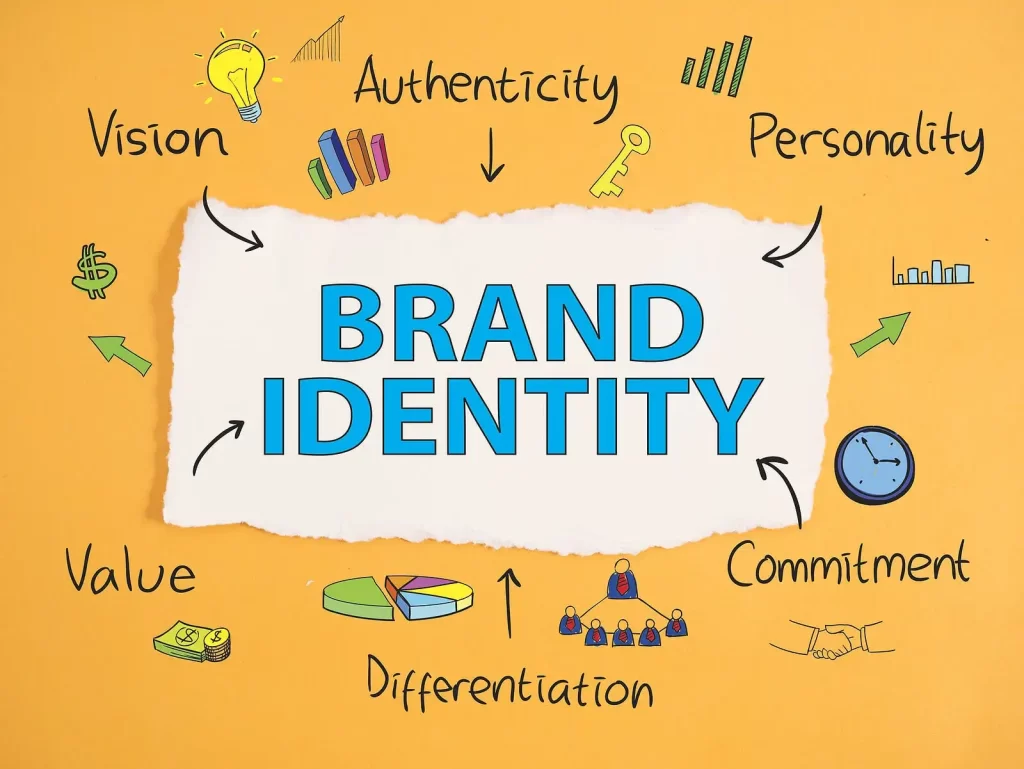
Creating a unique brand isn’t just about a cool logo or catchy slogan—it’s about crafting an identity that resonates with your audience and sets you apart from the competition. A standout brand can elevate your business by building trust, sparking interest, and fostering loyalty. Here’s why a unique brand matters:
– Recognition: A distinct brand ensures customers remember and recognize you amidst a sea of competitors.
– Customer Loyalty: Brands that connect on a personal level inspire loyalty and retain customers.
– Credibility: A strong brand reflects professionalism and builds trust with your audience, making them more likely to choose you over others.
By understanding and building a brand that’s truly your own, you’ll lay a solid foundation for long-term success.
Define Your Core Values and Mission
Building a unique brand starts with getting to know what makes you tick as a business or as an individual. Your core values and mission lay the foundation for every branding decision you make. Let’s dive into the steps to identify, define, and align them with your target audience.
Identifying Your Core Values
Core values are the guiding principles that dictate how you operate and interact with the world. They reflect what is truly important to you. To identify them, ask yourself questions like:
– What beliefs are non-negotiable for you or your business?
– How do you want to influence your industry or community?
– In what ways does your brand promise to be different from others?
Make a list of ideas, then whittle them down to the three to five values that genuinely resonate with you. These will guide your brand’s personality and behavior.
Crafting a Clear Mission Statement
Once you’ve identified your core values, the next step is translating them into a mission statement. A mission statement defines your brand’s purpose and primary objectives. It’s a concise declaration of what you do, who you do it for, and why you do it.
Here’s a simple formula to help craft yours:
[Brand name] exists to [what you do] for [target audience] by [how you do it], so they can [benefit].
For example: “EcoTech exists to provide sustainable technology solutions for eco-conscious businesses by focusing on renewable energy, enabling them to reduce their carbon footprint.”
Aligning Values and Mission with Your Audience
It’s crucial that your core values and mission statement resonate with your audience. This alignment fosters trust and connection. To achieve this, you need to understand who your audience is and what they value. Adjust your values and mission statement to speak directly to their needs, potentials challenges they face, and their aspirations. Remember: a brand that feels relatable to its audience is more likely to cultivate loyal followers.
Research and Understand Your Target Audience
Understanding your target audience goes beyond simple demographics. It’s about digging into who they are, what they need, and how your brand can solve their problems better than anyone else. Let’s discuss the key steps in getting to know your audience inside out.
Conducting Market Research
Market research is the first step in understanding your audience. Use surveys, interviews, and focus groups to gather insights about their preferences and challenges. Utilize online tools to analyze trends and behaviors on social media, forums, and online communities. This data will help shape how your brand speaks to and connects with its audience.
Creating Customer Personas
With the data collected from your market research, you can create detailed customer personas. These personas are fictional characters that represent different segments of your target audience. They help you visualize and personify your ideal customers. A complete persona includes:
– Demographics (age, gender, income, occupation, etc.)
– Behavioral traits (buying habits, interests, etc.)
– Pain points and challenges
– Goals and aspirations
Having these personas guides your branding and marketing strategies, ensuring they’re tailor-made for your audience.
Analyzing Competitor Brands
Knowing who you’re up against is as important as knowing your audience. Analyze your competitors to uncover gaps or opportunities in the market. Look at their branding strategies, the language they use, and how they engage with their followers. Identify what they do well and areas where they fall short. This analysis will help you discover how you can differentiate your brand and offer something unique that better serves your audience’s needs.
By skimming through competition and connecting deeply with your prospective customers, you lay down a solid framework for a brand that’s not only unique but also compelling to those who matter most—your audience.
Develop a Compelling Brand Story
Your brand story is more than just words on a page—it’s the heart and soul of your business. It shapes how people perceive you and influences their decision to connect with your brand. So, let’s dive into how you can craft a story that truly stands out!
Elements of a Strong Brand Story
A solid brand story captivates and resonates with its audience by weaving together key elements. First and foremost, be authentic. Share the genuine reasons why you started your business or created your product. Highlight the challenges you faced and the triumphs you’ve celebrated.
Next, incorporate your values and vision. What do you stand for, and where do you see your brand heading in the future? This can help create a sense of purpose and direction that appeals to your audience.
Lastly, add emotional appeal by including relatable anecdotes or real-life scenarios. A brand story that stirs emotion can leave a lasting impression and foster loyalty.
Communicating Your Brand’s Purpose
Your brand’s purpose is its “why.” It’s what drives you every day and separates you from others. You need to communicate why your brand exists clearly. Start by identifying the core problem your brand solves. Then, articulate how your solutions make a difference in your customers’ lives.
Share your purpose through all communications, whether it’s in your marketing materials, on your website, or through social media. Keep it simple, consistent, and connected to your brand values, so your audience quickly understands your mission.
Making Your Story Relatable to the Audience
To ensure your story is relatable, know your audience inside out. Understand their needs, desires, and pain points. Tailor your narrative to demonstrate empathy and concern for their situations. Use language that resonates with your audience’s lifestyle or industry.
Don’t hesitate to include customer testimonials or success stories that feature real people benefiting from your brand. This not only validates your brand’s impact but also shows your audience that you truly get them.
Design a Cohesive Visual Identity
Now that your brand story is all set, it’s time to give it a face! A cohesive visual identity not only enhances brand recognition but also creates an emotional connection with your audience.
Choosing Color Palettes and Fonts
Colors and fonts do much more than decorate; they evoke emotions and establish mood. Start by selecting a color palette that reflects your brand’s personality. For example, blue might convey trust and stability, while yellow suggests warmth and optimism.
Be mindful of your font choices, too. Fonts should be legible across all mediums and align with the brand’s tone. Are you aiming for playful and creative? Go for a quirky font. Need something modern and sleek? Opt for a classic sans-serif. Stick to a couple of complementary fonts to keep things streamlined.
Creating a Logo that Resonates
Your logo is like the face of your brand—memorable and representative of what you stand for. Create a logo that is simple yet distinctive. It should be versatile enough to look great on a billboard and still work perfectly on a business card.
Consider the elements of your brand story and ensure those concepts are reflected in your logo design. Whether it’s a symbol, a wordmark, or a combination, let it embody your brand’s message at a glance.
Ensuring Consistency Across Platforms
Consistency is key when developing a visual identity. Maintain uniformity across all platforms to strengthen your brand’s presence. This includes using the same color palette, fonts, and logo in all your marketing materials, from online to offline content.
Craft a style guide to ensure everyone on your team stays on the same page when it comes to visual branding elements. This will help keep your brand identity intact and recognizable, no matter where your audience comes across it.
And there you have it! By developing a compelling brand story and designing a cohesive visual identity, you’re laying down a solid foundation for a unique brand that stands out and resonates with your audience. Happy branding!
Establish Your Brand Voice and Messaging
So, you’ve got the groundwork laid for your brand, but now it’s time to bring it to life with a voice and messaging that captures who you are and what you stand for. Let’s dig into the details.
Identifying Your Brand Tone
Your brand tone is like the personality of your brand. Is it formal, casual, playful, or sophisticated? The tone you choose will depend on your target audience and the message you want to convey. Start by thinking about words that describe who you are as a brand. Are you more friendly and approachable, or do you embody professionalism and reliability?
Experimenting can be helpful, too. Try writing a few sentences in different tones and see which feels most natural and engaging for your brand. Keep in mind that your brand tone should be consistent, regardless of the platform or situation.
Crafting Consistent Messaging
Once you’ve nailed down your tone, it’s time to craft messaging that aligns with it. This messaging should clearly communicate what your brand is about, the value you offer, and reflect the tone you’ve chosen. Make a list of key phrases or ideas that resonate with your brand and can be woven into your communications.
Remember, consistency is key! Whether it’s a tagline, product descriptions, or social media content, your messaging should reflect a cohesive narrative.
Utilizing Your Brand Voice Across Channels
Having a solid brand voice is great, but it’s important to ensure it’s present wherever your brand is. This includes your website, social media, emails, advertisements, and even customer service interactions. Ensuring your brand voice is consistent across these channels helps build trust and recognizes familiarity with your audience.
To do this, create style guidelines that outline your tone and messaging. Share this guide with anyone involved in creating content for your brand to keep everyone on the same page and your brand voice unified. This way, you’re not just talking the talk, but walking the walk across every channel.
Building Longevity: Maintaining and Evolving Your Brand
Once you’ve built your unique brand, the journey doesn’t end—it transforms. To keep your brand fresh and relevant, here are a few tips:
– Stay Consistent: Consistency with colors, messaging, and values creates trust and recognition.
– Embrace Feedback: Listen to your audience. They can provide insights that help evolve your brand.
– Innovate Regularly: Introduce new visuals, products, and ideas that align with your core values.
Remember, a brand isn’t static. It’s a dynamic entity that grows alongside your business. Continuously nurturing your brand helps you stay ahead of trends and ensures it remains authentic and engaging. This dedication not only boosts longevity but also deepens the connection with your audience, creating a lasting legacy. Keep evolving and watch your unique brand story flourish.
Building business credit? Open a Net 30 Account — EIN only, no personal guarantee, $60 minimum order, credit lines up to $5,500, a decision in one business day, and every on-time payment reported monthly to Equifax Business, Creditsafe and FairFigure.
Frequently Asked Questions
What are the first steps to building a brand from scratch?
Start by defining who you’re for and what you stand for, then translate that into a name, a visual identity, and a consistent voice across every place customers meet you. Research your audience and competitors first, so your choices are based on a real gap rather than a guess. Lock in your mission, values, and positioning before you touch a logo, since the design should follow the strategy and not lead it. From there, build the visible pieces, logo, color palette, typography, packaging, and website, and apply them the same way everywhere.
What makes a brand unique?
A brand becomes unique when its positioning, voice, and visuals all point to one specific promise a competitor can’t credibly make. That usually comes from a clear point of view, not a different color scheme, because two companies can look nothing alike and still say the exact same thing. Consistency matters too. A brand that repeats the same message and look across every touchpoint reads as far more distinct than one whose tone shifts from post to post.
How do you create a brand identity that stands out?
A brand identity stands out when it’s built from a clear strategy first, then expressed through a distinct visual system, logo, typography, color, imagery, applied consistently everywhere the business shows up. Start with what genuinely sets the business apart, then design around that, rather than starting with a mood board and hoping a story attaches itself later. Testing the identity against competitors’ visuals helps too. If a logo could belong to five other companies in the same category, it isn’t doing its job.
What is brand identity?
Brand identity is the set of visual and verbal elements, logo, color palette, typography, imagery style, and tone of voice, that a business uses to express its brand consistently across every touchpoint. It’s the tangible expression of the brand, while the brand itself is more the reputation and feeling customers associate with the company. A strong identity system spells out clear rules for how each element gets used, so a website, a business card, and a package all feel like they came from the same place.