

Looking for terms you can use now? The CEO Creative offers a net 30 account — a decision within one business day on your EIN, with monthly bureau reporting.
Introduction
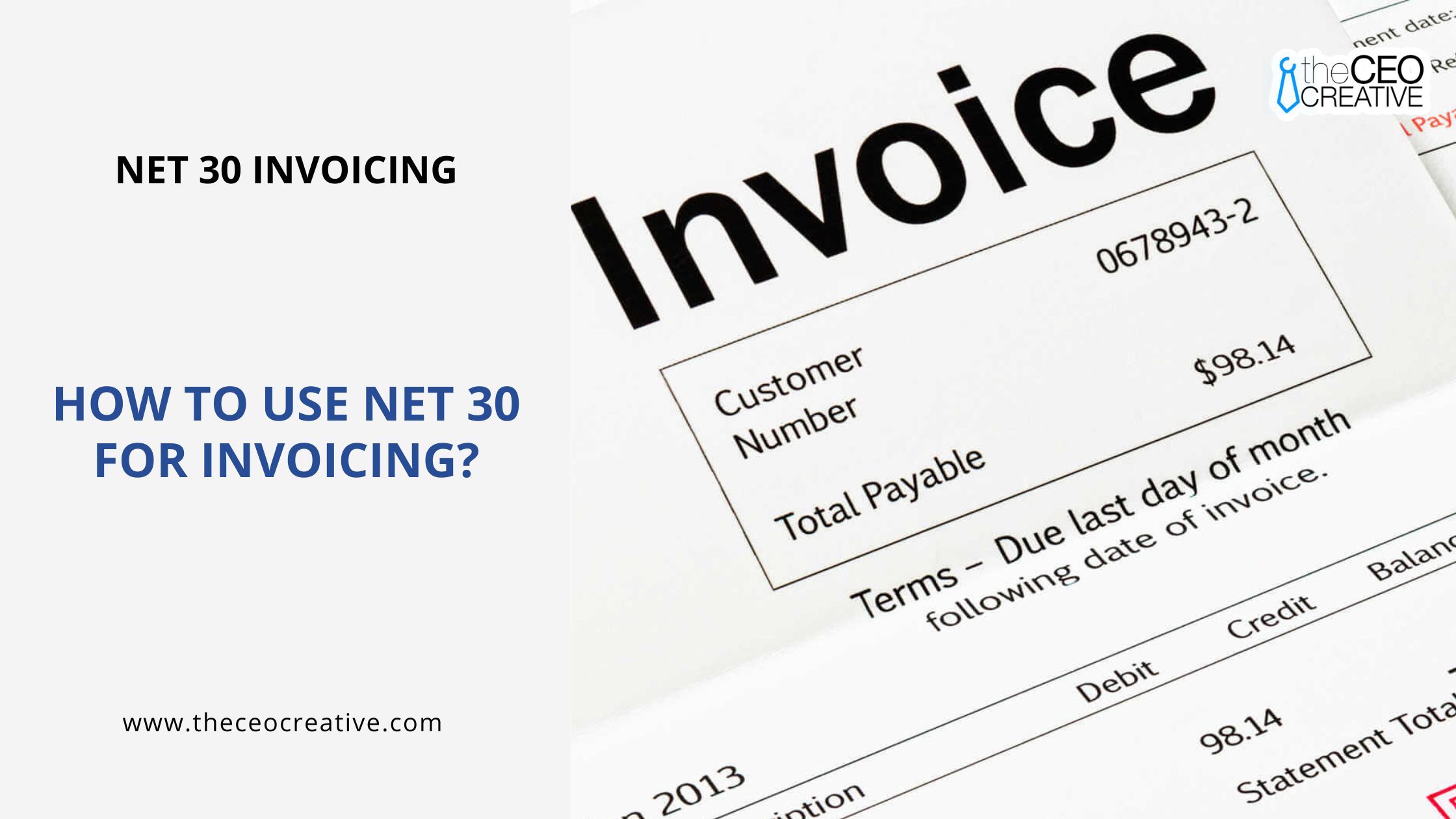
Net 30 invoicing is a strategic way for businesses to manage cash flow, boost customer satisfaction, and strengthen financial stability. By allowing customers 30 days to pay, companies can improve trust, increase sales, and plan more effectively. This guide covers how to use Net 30 invoicing successfully, from setting up invoices to managing supplier relationships.
Setting Up Effective Net 30 Invoices: A Step-by-Step Guide
Transitioning to Net 30 invoicing requires a systematic approach to ensure clarity and efficiency. Here’s a breakdown of the key steps involved:
1. Clearly Define Payment Terms on Your Invoices
Unclear terms can cause misunderstandings, late payments, and damaged relationships. To prevent this, make sure your customers understand how a net 30 account works. Also include these details in your invoice:
- Display “Net 30” or “Payment due in 30 days” prominently.
- Include the invoice date, marking the start of the 30-day payment period.
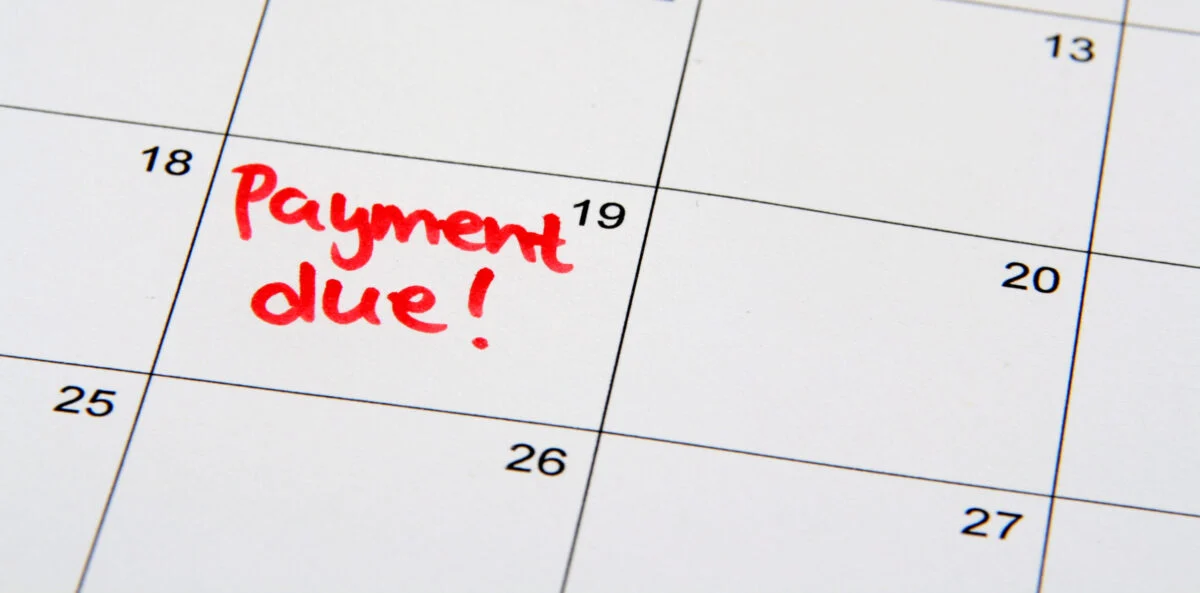
- Mention the exact due date for clarity, giving customers a clear deadline.
Example: “Invoice Date: December 9, 2024. Terms: Net 30. Payment due January 8, 2025.”
2. Provide Clear Payment Instructions
To help ensure prompt payments, make it simple for your customers to pay you.
- List all accepted payment methods you accept:
- Credit cards (mention which types you accept)
- Checks (provide mailing address)
- Electronic Funds Transfer (EFT) (include bank name, routing number, account number)
- Online platforms (e.g., PayPal, Stripe—provide links or usernames if needed)
- Include step-by-step payment directions.
- Offer a support contact for assistance.
3. Automate Reminders and Notifications
Regularly checking payments and due dates is very important to make sure your Net 30 invoicing system works well.
- Use accounting software to schedule reminders:
- A few days before the due date
- On the due date
- Follow-up post due date
- Create polite and professional reminder messages with the invoice number, due date, and amount.
- Include payment links or instructions in reminders.
Benefits of Net 30: Strengthening Financial Management
One of the main benefits of using Net 30 payment terms is how it helps improve your business’s cash flow and overall financial health. Here’s why:
- Provides predictable income streams for better budgeting.
- Allows time for smart financial planning, such as investing, managing debt, or leveraging supplier discounts.
- Enhances creditworthiness through consistent, timely payments.
1. Handling Late Payments
Create and follow a clear guideline for dealing with late payments.
- Implement an escalation process:
- First Reminder: A polite email or phone call a few days after the due date.
- Second Reminder: A more formal follow-up a week or two later.
- Final Notice: A written warning with potential consequences.
- Document all communications.
- Offer payment plans for struggling customers.
2. Forecasting and Monitoring
By regularly predicting and checking your cash flow, you can make sure that Net 30 invoicing helps your business stay financially strong and stable.
- Track:
- Days Sales Outstanding (DSO)
- Days Payable Outstanding (DPO)
- Operating Cash Flow
- Use forecasting tools to plan for shortfalls.
- Analyze patterns to refine strategies.
Strengthening Relationships with Customers and Suppliers
Aside from the financial advantages, Net 30 invoicing can also help you build better relationships with your customers. Here’s why:
- Net 30 terms demonstrate flexibility and goodwill.
- Helps differentiate you in competitive markets.
- Improves communication and overall satisfaction.
1. Offering Extended Terms When Appropriate
Net 30 is a common and widely used payment term, but there are times when giving more time to pay could be good for both you and your customers.
- Consider Net 60 or Net 90 for clients with a strong payment history.
- Initiate a clear, professional discussion to define expectations.
- Provide written confirmation.
Example: “In response to your request, we are pleased to offer you extended payment terms of Net 60 for this invoice. The new due date is [date].”
2. Negotiating Net 30 with Suppliers
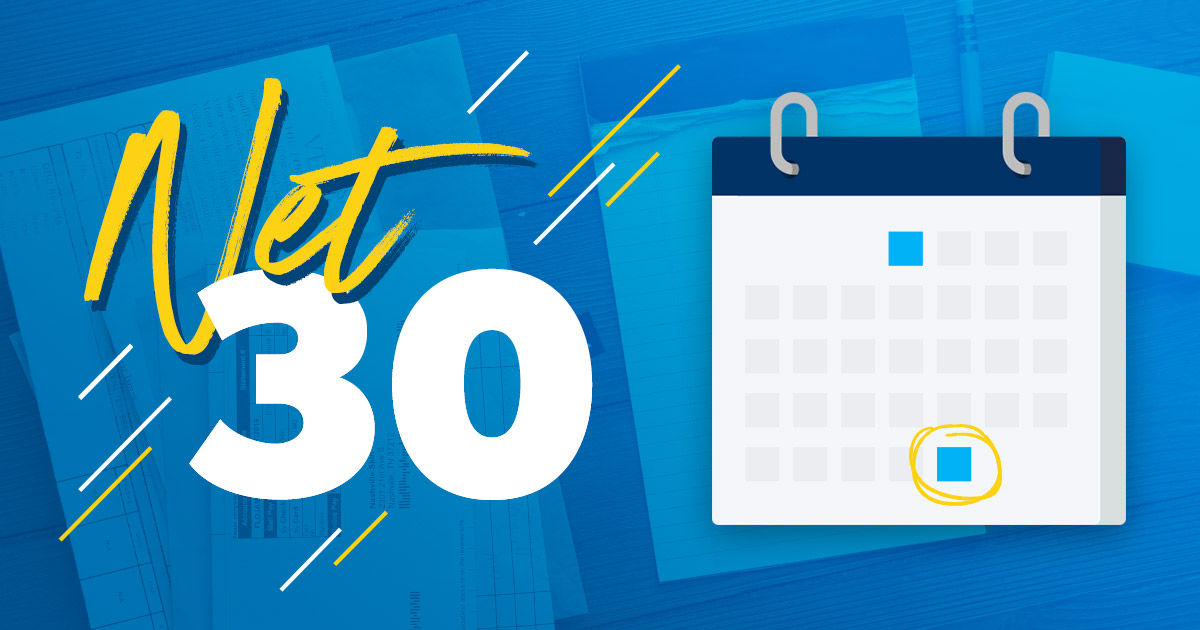
When you give your customers 30 days to pay, you can also ask your suppliers for the same deal.
- Propose Net 30 to align with your receivables.
- Strengthen your case by offering:
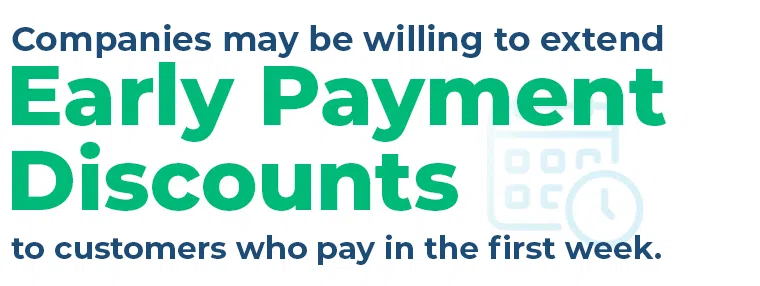
- Early Payment Discounts – if possible, give a small discount for payments made within 30 days.
- Larger or recurring orders – Suggest making larger or more frequent orders in return for Net 30 terms.
- Long-term agreements – show that you are ready to sign a long-term supply contract.
- Emphasize mutual benefits – talk about how Net 30 terms can help both you and your supplier, and be ready to make deals.
- Document all terms clearly – after you agree on something, make sure there is clarity on how do the Net 30 terms work and that they are clearly written in your purchase orders or supply contracts.
Final Thoughts
Net 30 invoicing is more than a payment timeline—it’s a financial strategy. With clear communication, smart tracking systems, and strong relationships, businesses can use Net 30 to fuel growth, stability, and loyalty.
To successfully use Net 30 terms and start implementing or refining your Net 30 process today, and experience its benefits across your business operations.
Building business credit? Open a Net 30 Account — EIN only, no personal guarantee, $60 minimum order, credit lines up to $5,500, a decision in one business day, and every on-time payment reported monthly to Equifax Business, Creditsafe and FairFigure.
Frequently Asked Questions
How do you write net 30 on an invoice?
Net 30 on an invoice means the balance is due 30 calendar days after the invoice date, so you write it in the payment terms field and spell out the actual due date next to it. Most invoice templates have a dedicated terms line for this, and putting the exact date there means the buyer doesn’t have to calculate it themselves. Round out the invoice with the invoice number, invoice date, itemized charges, and amount due, since that’s what most accounts payable departments check first.
What is a net 30 invoice?
A net 30 invoice is one where the buyer gets 30 days to pay in full instead of paying upfront or on delivery, generally counted from the date on the invoice. It’s a common form of short-term trade credit used between businesses rather than with individual consumers. The 30 days can be counted from different points depending on the supplier, so it’s worth confirming what the invoice actually says rather than assuming.
How do you set up net 30 terms with a supplier?
Setting up net 30 terms usually means applying for a trade credit account with a supplier, who reviews the application and decides whether to extend credit and at what limit. The review process varies by supplier: some look at the owner’s personal credit, others assess the business itself. The CEO Creative, for example, assesses applications on the business EIN with no personal guarantee and no personal credit check, and returns a decision within one business day.
What should appear on a net 30 invoice?
A net 30 invoice should show the invoice number, invoice date, and a clearly stated due date or the term Net 30 itself, along with an itemized list of what’s being charged and the total amount due. It should also include seller and buyer contact details and accepted payment methods, so there’s no back and forth needed to actually pay it. Some businesses also add a note about late fees or interest on overdue balances, though that’s optional and worth stating clearly if you use it.