
Your home address might be the primary reason lenders are hitting the “decline” button on your business credit applications. Banks and financial institutions use sophisticated algorithms to scan the USPS Commercial Mail Receiving Agency (CMRA) database, often triggering automatic rejections for residential locations or P.O. Boxes. It’s a frustrating hurdle for modern startups that operate remotely, but you don’t need a five-figure lease to prove your company’s legitimacy. By using a virtual address to build business credit, you can satisfy strict Know Your Business (KYB) regulations while keeping your personal privacy intact.
We understand that the gap between a home office and a fundable enterprise feels wide. This guide will show you exactly how to leverage a professional street address to establish a robust credit profile using your EIN. You’ll learn how to navigate USPS Form 1583, avoid common address mismatches, and qualify for Tier 1 Net 30 accounts that report to major bureaus. We are moving past the confusion of mail forwarding to build a strategic foundation for your brand’s financial future.
Key Takeaways
- Learn how a professional street address acts as a commercial anchor to bypass automatic lender rejections associated with residential locations.
- Master the sequence for using a virtual address to build business credit by first synchronizing your address details with the Secretary of State and the IRS.
- Understand the technical difference between P.O. Boxes and CMRA-registered virtual addresses to ensure your business is eligible for Business 411 listings.
- Follow a proven checklist to establish tradelines with reporting Net 30 vendors that accept virtual office structures for real business purchases.
- Identify and avoid common formatting mistakes, such as omitting suite numbers, which can compromise your company’s fundability and credit profile.
The Hook & Promise: Why Your Business Address Dictates Your Credit Future
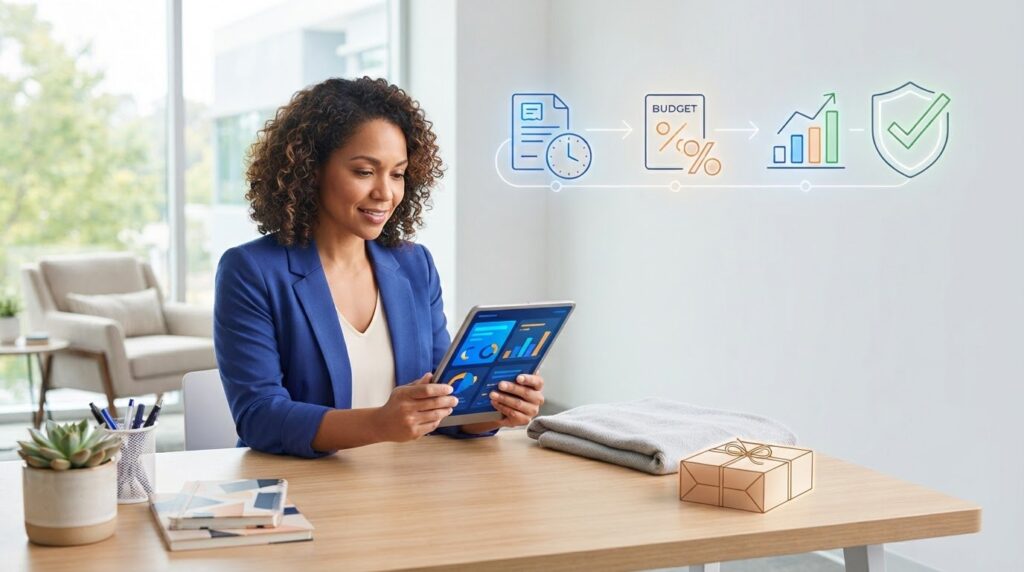
Your business address is more than just a place to receive mail. It’s a critical data point that lenders use to decide if your company is a legitimate, stable entity. In the financial world, this concept is known as “fundability.” Before a human ever looks at your application, an automated algorithm has likely already checked your address against several databases. If your location is flagged as residential or a simple post office box, your application might be dead on arrival. Using a virtual address to build business credit provides your EIN with a professional commercial anchor, signaling to banks and vendors that you’re an established player in your industry.
The #1 mistake new entrepreneurs make is using their home address or a P.O. Box on credit applications. This often leads to immediate denials because it fails to meet the basic standards of a “fundable” business. We’ve created this guide to give you a clear roadmap for using a virtual address to build business credit and secure Tier 1 tradelines without a physical storefront.
What is a Virtual Business Address?
It’s easy to get confused by the different types of mail services available. To understand the basics, you can look at what a virtual office is and how it functions as a service for remote companies. A virtual address is a physical street address at a real office building or commercial center. Unlike a simple mailbox, it’s registered as a Commercial Mail Receiving Agency (CMRA). This designation is vital. It allows you to use the address for official Secretary of State filings and IRS documents, giving your brand a physical footprint in a commercial zone without the high cost of a traditional lease.
The Problem with Home Addresses and PO Boxes
Many entrepreneurs start by using their home address, but this creates a significant hurdle for growth. Bank algorithms often flag residential locations as “high risk” because they suggest a lack of permanence or professional infrastructure. Similarly, the retail shipping store trap is a common pitfall. While these locations provide a street address, lenders easily identify them as mailbox rentals and frequently disqualify them during the vetting process. For a more reliable commercial presence, consider centers like Postal Xpress N More that provide professional local services such as TSA PreCheck enrollment Ellicott City to help establish your business identity. P.O. Boxes are almost universally rejected for business credit applications because they don’t meet the physical location requirements of the Patriot Act and other banking regulations. A professional address effectively separates your personal and business liability, ensuring your home stays private while your business builds its own reputation.
Virtual Address vs. PO Boxes: Navigating Lender Algorithms
Lenders don’t just look at your business name; they scrutinize your location’s digital footprint. They use automated tools like USPS ZIP Code Lookups to identify the specific type of address you provide. A P.O. Box is immediately flagged as a non-physical location. Using a virtual address to build business credit works because it provides a legitimate street address in a commercially zoned building. This allows you to bypass the “residential” or “mailbox” filters that trigger automatic rejections in modern lending software. It gives you a physical presence without the high overhead of a traditional office lease.
Another critical factor is the “Business 411” listing. Most lenders want to see your business listed in directory assistance to prove you’re an active, local entity. While P.O. Boxes are almost always ineligible for these listings, a high-quality virtual address is usually accepted. This minor detail can be the difference between an approval and a denial. Maintaining address consistency across the Secretary of State, the IRS, and credit bureaus is non-negotiable. If your IRS records show a home address but your credit application shows a virtual one, the mismatch triggers a fraud alert that can stall your progress for months.
How Lenders Verify Your Business Location
Banks use more than just the USPS database to vet your company. They often cross-reference your address with Google Maps to see if the location is a house, a strip mall, or a professional office building. Data aggregators like LexisNexis also track your business’s physical history and stability. Following the official steps to establishing business credit requires you to present a professional front from day one. If you’re wondering about the next steps in this process, check out our guide on how to build business credit without a loan to see how an address fits into your broader financial strategy.
Choosing the Right Virtual Office Provider
Not all virtual addresses are created equal. To ensure your address is credit-ready, it should be in a building zoned for commercial use rather than a retail shipping store. Look for providers that offer reception services or meeting rooms, as these features signal a high-functioning enterprise to lender algorithms. Your business phone number’s area code should also match your virtual address location to maintain a cohesive local presence. Finally, ensure your provider offers reliable mail forwarding so you can receive physical credit cards and legal notices without delay. Once your address is set, you can start establishing tradelines by opening a business net 30 account to report your positive payment history and build your score.
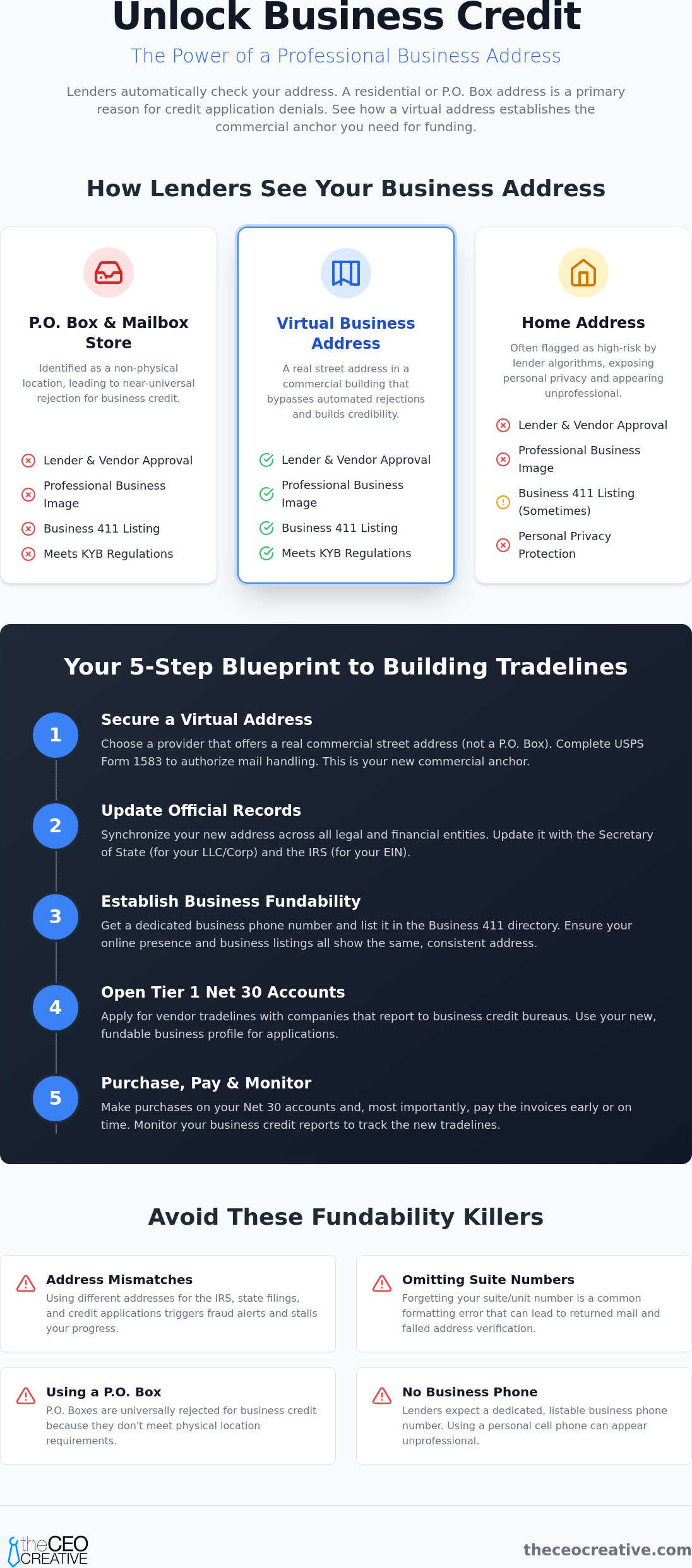
Step-by-Step Checklist: Using Your Virtual Address to Build Tradelines
Establishing a fundable profile requires a specific sequence of actions. You cannot simply get an address and expect credit to follow. The process starts with ensuring your business identity is uniform across every government and financial agency. Before you submit your first application, you must update your records with the Secretary of State and the IRS using Form 8822-B. This alignment creates a digital trail that lenders and credit bureaus can verify instantly. For a deeper look at these requirements, the SBA provides a detailed guide on official business address requirements to help you stay compliant during your transition.
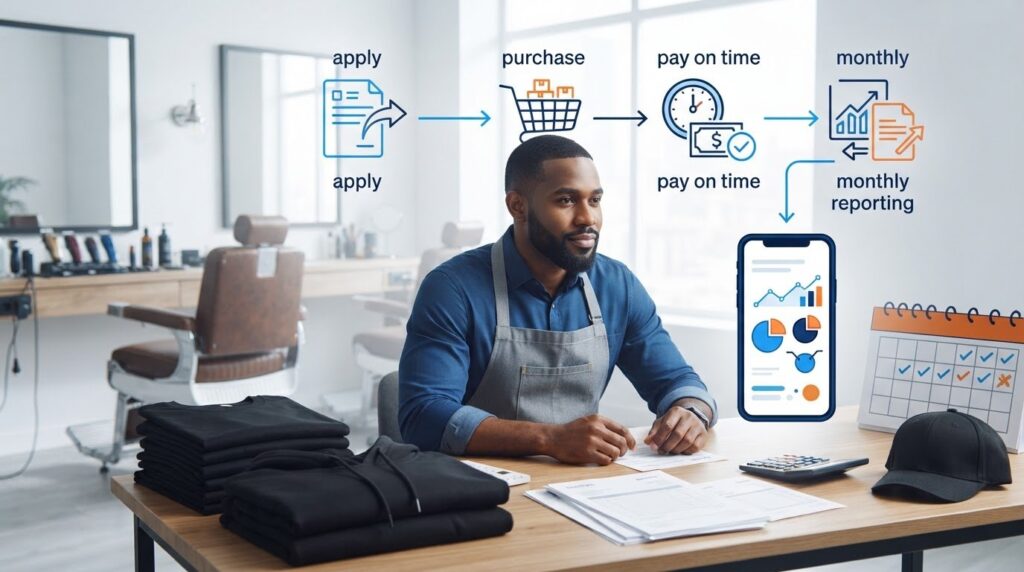
Once your documentation is set, follow this mandatory checklist to begin using a virtual address to build business credit: Apply, Order, Pay, Track, and Repeat. This cycle turns a static address into a dynamic credit asset. By selecting Net 30 vendors that report to major bureaus like Equifax, Creditsafe, and FairFigure, you ensure every dollar spent contributes to your company’s financial reputation. It’s not enough to just open an account; you must make a real business purchase to trigger the reporting process and establish your first vendor tradeline.
Phase 1: Alignment and Documentation
Consistency is your greatest ally when building credit. Ensure your EIN and virtual address match exactly on your Business Net 30 Account application. Even a missing suite number or a misspelled street name can cause an automated system to flag your file. You should also verify that your business phone number is listed in the 411 directory and linked to your professional address. Mismatched data between your credit application and state records is the leading cause of credit reporting delays and automatic denials.
Phase 2: Engaging Reporting Vendors
With your foundation solid, start placing orders for essential items like office supplies using your new commercial address. Don’t wait for the due date to settle your invoice. Follow the “Pay Early” rule: paying on Day 10 of a Net 30 term often results in a higher credit score because it demonstrates exceptional cash flow management. Finally, monitor your business credit profile through platforms like FairFigure or Dun & Bradstreet to confirm that your payments are being reported accurately. Repeat this process with multiple vendors to diversify your credit mix and strengthen your overall profile.
6 Common Mistakes That Kill Your Business Credit Fundability
Securing a professional location is a massive step forward, but the process doesn’t end there. Even when using a virtual address to build business credit, small administrative oversights can trigger a red flag in a lender’s automated system. These algorithms look for patterns of stability and reliability. If your data appears fragmented or inconsistent, you’ll likely face an automatic denial regardless of your actual revenue. Avoid these six common pitfalls to keep your fundability intact:
- Mistake 1: Registering your LLC with a residential address but using a virtual address for credit applications. This mismatch suggests a lack of operational transparency.
- Mistake 2: Failing to include your suite number on applications. Without it, your address may resolve to the building’s main entrance, which algorithms often flag as a generic residential or retail location.
- Mistake 3: Making late payments on your Net 30 accounts. Business credit reporting is strict; even a one-day delay can negatively impact your score.
- Mistake 4: Using variations of your business name, such as “The CEO Creative” on one form and “CEO Creative LLC” on another.
- Mistake 5: Applying for five or more Tier 1 accounts simultaneously. Lenders prefer to see at least one tradeline report successfully before you seek more credit.
- Mistake 6: Relying on a P.O. Box for any official credit document. Most financial institutions will disqualify your application immediately if they detect a non-physical mailing box.
The Danger of Mismatched Information
Slight variations in how you write your address can lead to “split files” at the credit bureaus. This happens when a bureau creates two separate, incomplete profiles for your business because the data doesn’t align perfectly. To prevent this, always use the USPS-standardized version of your virtual address. Consistency across all platforms ensures your history aggregates into a single, strong profile. For a comprehensive look at which companies report most reliably, refer to our Net 30 Vendors 2026 guide.
The “No-Activity” Trap
Simply opening an account isn’t enough. An active tradeline requires actual transaction history to influence your credit score. If you have an account with a $0 balance and no orders, the vendor has nothing to report to the bureaus. You need to make regular, meaningful purchases to maintain an “active” status. Many successful brands use customizable products as a strategic business expense to keep their accounts active while building their internal brand identity. Consistent activity proves to future lenders that you can manage credit responsibly over time. To start building your reporting history today, apply for a business net 30 account and place your first order.
Strategic Credit Building: Leveraging The CEO Creative with Your Virtual Office
Your virtual address provides the professional image lenders demand, but it needs a reporting history to come alive. The CEO Creative acts as a strategic partner in this journey. We are a reporting Net 30 vendor that specifically supports companies using a virtual address to build business credit. While traditional retail stores might require a physical storefront for credit terms, we focus on the needs of modern, remote-first organizations. We understand that a commercial street address is a sign of a serious enterprise, and we’ve built our system to reward that professionalism.
When you purchase essential branding gear like Net 30 apparel, you’re doing more than just buying shirts. You’re establishing a verifiable tradeline. We report your payment history to Equifax, Creditsafe, and FairFigure. This ensures that your responsible financial behavior is visible to the agencies that matter most. This reporting structure is designed to help you climb the credit tiers quickly, moving you closer to high-limit business credit cards and traditional bank loans.
How We Help Build Your Corporate Identity
Building a brand requires a cohesive strategy. By combining a professional virtual address with high-quality branding like custom logos and apparel, you present a polished image to clients and creditors alike. Our Net 30 terms offer the cash flow flexibility that new LLCs need to grow without depleting their reserves. If your virtual-address-based profile is clean and consistent, you can qualify for a decision within one business day. This allows you to start reporting positive data to the bureaus immediately, turning your remote operation into a fundable powerhouse.
What Happens Next
Ready to move from planning to action? Here is exactly what you can expect after you take the next step:
- Account Approval: Once you submit your application with your standardized virtual address, our team reviews your data for consistency.
- Strategic Purchasing: You’ll gain access to our full catalog of office supplies and branding tools to help you place your first credit-building order.
- Bureau Reporting: After you pay your invoice, we report the activity to Equifax, Creditsafe, and FairFigure to strengthen your profile.
Recap and Final Call to Action
Establishing a virtual address is the first step toward professional legitimacy. However, reporting tradelines are the engine that drives your credit growth. By following the steps in this guide, you can bypass lender rejections and master the art of using a virtual address to build business credit. Please remember that this content is for educational purposes and does not constitute financial or legal advice. Every business journey is unique, and consistent reporting is the key to long-term sustainability.
Take control of your company’s financial future today. Apply for a business net 30 account to start building the credit and corporate identity your business deserves.
Secure Your Company’s Financial Future Today
Establishing a professional identity is the first major hurdle in your entrepreneurial journey. By choosing a commercial street address over a residential one, you bypass the automated filters that often trigger lender denials. Remember that consistency is your greatest asset. Your records at the IRS and Secretary of State must align perfectly with your credit applications to ensure a smooth reporting process. You can master the art of using a virtual address to build business credit by pairing your professional location with reliable vendor tradelines that report to major bureaus.
The CEO Creative is here to help you bridge the gap between a home-based startup and a fundable enterprise. Our platform offers a decision within one business day for new LLCs and requires no personal guarantee, allowing you to build credit solely on your business’s merit. We provide high-quality business essentials and report your positive payment history to Equifax, Creditsafe, and FairFigure. It’s time to turn your vision into a sustainable, creditworthy reality.
Apply for a CEO Creative Net 30 Account Today
Your business deserves a foundation built for long-term growth. Take this strategic step now and watch your corporate identity thrive as you establish the credit history you need to succeed.
As you grow and begin to explore international opportunities, remember that professional services like Vietnamese-Evisa.Org can provide the necessary travel support to help your business reach new heights globally.
Frequently Asked Questions
Can I build business credit with a virtual address?
Yes, you can establish a robust credit profile using a virtual address, provided it’s a physical street address at a commercial location. Most business credit bureaus and Tier 1 vendors accept these addresses as long as they’re registered correctly with the Secretary of State and the IRS. This approach allows remote businesses to satisfy the physical presence requirements of lender algorithms without the high overhead of a traditional office lease.
Will lenders deny my application if I use a virtual office?
Lenders typically only deny applications if they detect a P.O. Box or a residential location through the USPS CMRA database. A high-quality virtual office provides a commercial street address that bypasses these automated filters. To ensure approval, make sure your virtual address is listed identically across your bank account, EIN records, and vendor applications to avoid any potential fraud flags.
Do I need a personal guarantee if I use a virtual address?
Your choice of address doesn’t determine whether a personal guarantee is required. Many Tier 1 Net 30 vendors, such as The CEO Creative, offer accounts with no personal guarantee required for new LLCs. Building credit using your EIN and a professional address allows you to separate your personal and business finances, regardless of whether you operate from a virtual office or a physical storefront.
How long does it take for a Net 30 vendor to report my virtual address tradeline?
Most Net 30 vendors report to the bureaus on a monthly or quarterly schedule. You can generally expect your tradeline to appear on your Equifax or Creditsafe report within 30 to 60 days after your invoice is paid in full. Using a virtual address to build business credit requires patience; ensure you maintain consistent activity to keep the tradeline active and visible to future lenders.
Can I use a PO Box instead of a virtual address for business credit?
No, you should avoid using a P.O. Box for credit applications. Most banks and credit bureaus will automatically disqualify a business that uses a post office box because it fails to meet the physical location requirements of the Patriot Act. A virtual address is the superior choice because it provides a real street address that satisfies the technical verification tools used by modern financial institutions.
What is the difference between a virtual address and a CMRA?
A virtual address is the service you purchase, while a Commercial Mail Receiving Agency (CMRA) is the official USPS designation for the facility providing that address. Any business that receives mail for others is a CMRA and must collect a notarized USPS Form 1583 from its clients. Lenders check the CMRA database to see if an address is a legitimate commercial office or a simple mailbox rental.
Do Equifax and Creditsafe accept virtual business addresses?
Yes, major bureaus like Equifax, Creditsafe, and FairFigure accept virtual addresses as legitimate business locations. These agencies focus on the consistency of the data provided by your reporting vendors. As long as your vendor reports a commercial street address that matches your state filings, the bureaus will aggregate that data into your profile. Using a virtual address to build business credit is a standard practice for modern startups.
What should I do if my tradeline doesn’t appear on my credit report?
First, verify that the address on your vendor account matches your Secretary of State and IRS records exactly. Even a missing suite number can prevent a bureau from matching the data to your file. If the information is correct, contact the vendor to confirm their reporting schedule. It often takes one full billing cycle after payment for the data to be transmitted and processed by the bureaus.
Building business credit? EIN Only Net 30 Vendors — EIN only, no personal guarantee, $60 minimum order, credit lines up to $5,500, a decision in one business day, and every on-time payment reported monthly to Equifax Business, Creditsafe and FairFigure.