
Imagine your business is doing great, making a profit, and keeping customers glad. Suddenly, things go bad. How can a profitable company fail? It’s confusing, but it happens. Making money doesn’t always mean a business will survive. There are many things to think about, like hidden problems, growth issues, and staying power. Let’s see why making a profit isn’t a sure thing for business success and how to keep your business from failing.
Profit vs Cash Flow — The Misunderstanding That Breaks Businesses
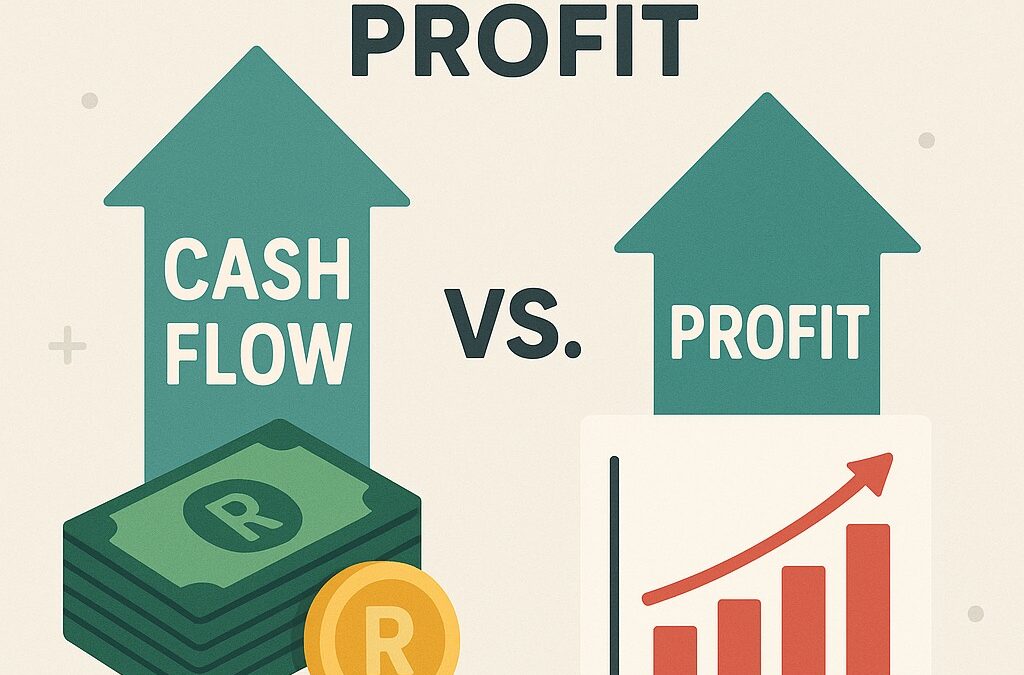
It can be a shock to business owners that making money doesn’t always mean they’re totally safe. Profit is great, but cash flow is what keeps a business alive. It’s about having enough to pay bills, keep suppliers happy, and take care of employees.
Think about this: your business looks good on paper, but your bank account is low. This happens when profits are stuck in pending payments. Even though you’re selling a lot, you’re waiting for customers to pay. If payments are late, your bills pile up, and profits don’t really matter, putting you in a tough spot.
Business owners often think being profitable means they’re doing well. But lots of profitable businesses don’t have much cash. This can ruin businesses, creating problems that damage trust and stop growth. You have to watch things like the cash conversion cycle, which tracks how long it takes to turn goods into cash. Doing this the posted profits will protect your business.
Cash Flow Timing Problems
Okay, so timing is super important. Imagine you close a big sale when you’re already swamped – awesome! But here’s the problem: your client pays in 60 days, but your bills are due every 30. It’s a bad situation.
Here are some timing problems you might face:
– Slow Payments: Customers take forever to pay, which means you can’t pay your own bills.
– Too Much Stuff: You might have tons of inventory, but if sales drop, that cash is stuck on shelves.
– Weird Expenses: If your costs don’t match when you get paid, your cash flow gets messed up. Big bills, like yearly insurance, can be a shock if you don’t plan for them.
To fix these timing problems, try talking to your suppliers about longer payment plans or give customers a discount for paying early. Also, better guessing when money comes in and goes out helps a lot. You’ll know when you have cash and when you need to save.
Knowing how to control cash flow takes work. It’s what keeps businesses afloat and out of trouble, even if they look good on paper. If you have a good cash cycle, your business will last longer and handle any money problems that pop up.
Why Net 30 Can Be a Necessary Business Practice
A lot of companies use Net 30, giving clients a month to pay up. At first, it might seem scary to give people extra time to pay. But for companies that want to make money, Net 30 can be a smart move.
– Better Client Bonds: If you let people pay later, they’ll trust you more, and you’ll build better, lasting relationships. This shows them you get their needs and are ready to work with them. They will probably come back and tell others about you.
– Get Bigger Clients: Big companies usually like suppliers who offer Net 30 because it fits how they handle their money. If you work with what they want, you can land bigger deals and grow a lot faster.
– Beat the competition: It’s hard to be noticed when you’re battling competitors.. Offering good payment options can help you stand out. Clients who want some wiggle room with their finances will pick you.
Careful! Net 30 can cause problems if things aren’t watched closely. You could end up short on cash.
Cash Flow Issues Due to Poor Structure
Even if a business looks good on paper, money problems can pop up fast if things aren’t set up well financially. Think of it like a leaky pipe – you might be making money, but if cash is leaking out, it’s a pain to fix.
– Income all over the place: If your income isn’t consistent, it’s hard to pay the bills. This could be because of slow times of the year or late payments from clients who take forever to pay.
– Not watching where the money goes: It’s super important to keep an eye on spending. If you don’t have a good system, costs can get bigger than your income. If you ignore costs, they can pile up and make a business that was doing fine struggle.
– Not planning ahead: Lots of businesses fail, not because they don’t make money, but because they didn’t plan for what they’d need later. Keeping an eye on your money is a must so the business can keep going when things are good and when they’re not.
Fixing money issues is a big deal, and it means planning carefully and chatting with clients. Having clear rules for getting paid and checking on unpaid invoices can help keep your money healthy, so the business can last.
Optimizing Net 30
Net 30 is a payment plan that can be tough, even for businesses making money. It lets customers pay later, which helps sales, but it can also freeze your money. It’s like lending a book—great idea, but you might not see it again for a while.
So, how do you handle Net 30 without running out of cash? Here’s what I suggest:
– Be Clear From the Start: Explain your Net 30 rules upfront. Honesty helps payments on track.
– Check Customer’s Credit: Before offering Net 30, check if people can pay their bills. A quick credit check can help avoid problems.
– Give Early Payment Perks: Give discounts for paying early. A small discount will speed up your money.
– Send Reminders: Polite reminders are important. Send invoices right away, with reminder emails as the deadline comes closer.
Working Capital Management Makes Net 30 Work
Working capital is super important for any biz. Think of it as the cash you need to keep things running daily. You figure it out by subtracting what you owe right now from what you own right now. How good you are at handling it can make or break your biz.
To really benefit from Net 30 payment terms, you’ve got to be on top of working capital. Here’s how:
– Watch Your Inventory: Having too much stuff sitting around wastes cash. Try to find that sweet spot. Use tools that can guess the right stock levels by looking at past sales.
– Track Cash Coming In and Out: Keep a close watch on the money flowing in and out. There’s software that makes tracking this a breeze and helps you notice possible cash problems before they get out of hand.
– Talk to Your Suppliers: Your customers like Net 30, right? Well, you can get in on that too! Try to get longer payment deadlines from your suppliers to give your cash flow a boost, which makes it easier to match when your customers pay you.
If you focus on making Net 30 work and get good at managing working capital, your biz can build a solid financial base. This not only keeps you afloat but also helps you grow in the long run. At the end of the day, it’s not just about profits. It’s about being able to stick around and change with the times.
How Net 30 Helps Profitable Businesses Grow Without Cash Stress
Ever seen Net 30 on your bills? It’s actually a nice thing for successful businesses that want to keep getting better. Basically, Net 30 just means clients get 30 days to pay what they owe. This can really help businesses grow without having to worry too much about money coming in right away.
If you’re running a successful business, having money coming in regularly is super important. But when customers take forever to pay, it can make things tough. That’s where Net 30 comes in handy. Here’s how it helps you out:
– Keeps Customers Happy: Giving people some time to pay, like with Net 30, can make them like you more. It shows you trust them, which can make them want to keep working with you.
– Gets Bigger Customers: Big companies usually have weird payment schedules. Offering Net 30 makes it easier for them to work with you, so you can get more customers.
– Helps You Manage Money: Knowing when payments are coming in lets you plan your finances better. This helps you pay for things without stressing about money.
– Focus on Growing, Not Nagging: Instead of bugging people for payments, you can spend time growing your business, coming up with new ideas, and making things better.
Basically, Net 30 can reduce money problems, letting a good business concentrate on growing the right way.
Conclusion
Sure, making money is key for any biz, but it’s not the whole story. Stuff you might not see coming, like bad cash flow or ticked-off clients, can sink you even if you’re raking in dough. Using payment plans like Net 30 can help keep your cash flow steady and take some pressure off your finances. This lets you concentrate on doing things the right way, so your biz doesn’t just get by but actually does great down the road. Keep in mind, a strong biz needs you to watch out for both the big stuff and the little stuff.
Frequently Asked Questions
Is cash flow or profit more important?
Cash flow and profit both matter for a healthy biz, but cash flow is more important for keeping things running daily. If you have positive cash flow, you can pay the rent, your employees, and get supplies. Profit is important for growing later, but if you don’t manage your cash flow well, you can still run into money probs even if you’re making a profit.
How do you calculate financial performance?
To figure out how well a company is doing financially, you look at a few key reports:
– Income Statement: This shows how much money the company made, what it cost to make it, and the profit.
– Balance Sheet: This lists what the company owns (assets), what it owes (liabilities), and the owner’s stake (equity).
– Cash Flow Statement: This tracks how cash is coming in and going out of the company.
Looking at these reports gives you a good idea of the company’s money situation and helps you spot any problem areas.
Which assets can be converted into liquidity in the short term?
Here’s a rundown of assets you can quickly turn into cash:
– Cash, obviously!
– Accounts receivable: The money your customers owe you.
– Inventory: Stuff you’re ready to sell.
These are super important for staying liquid, so you can pay your bills when they’re due.
How can you improve your business’s liquidity?
Want to get better with money stuff? Try being smarter about how you handle cash. Here’s how:
– Get tougher on credit, so people pay on time.
– Check your spending all the time and cut junk costs.
– Give people deals if they pay early.
– Keep some cash set aside for when things go wrong.
Do these things, and your company will be better at handling surprise bills.
How does Net 30 help businesses manage cash flow without slowing growth?
Net 30 means your clients get 30 days to pay their bill. Giving them this option can:
– Help you build solid relationships with your customers.
– Keep your money coming in regularly without rushing people to pay right away.
– Let clients handle projects well, which can lead to them coming back and helping your business grow steadily.
Why do profitable businesses still face liquidity challenges as they scale?
Growing businesses often face higher costs for things like new hires, stock, or bigger spaces. Even if these moves boost profits, those initial costs can hurt their cash flow. So, while a business might look profitable on paper, poor cash handling can cause money problems and threaten its long-term growth. It’s important to be smart with your money as you grow to stay successful.
Building business credit? Open a Net 30 Account — EIN only, no personal guarantee, $60 minimum order, credit lines up to $5,500, a decision in one business day, and every on-time payment reported monthly to Equifax Business, Creditsafe and FairFigure.
Why is my business not profitable?
A business is not profitable when its total costs exceed what it collects from sales. That usually traces to pricing that does not cover the full cost of the product plus overhead, or to expenses that have grown faster than revenue without anyone adjusting for it. Sometimes it is a volume problem: the margin on each sale is fine, but there are not enough sales to cover fixed costs like rent and payroll. Comparing cost per sale against price, line by line, is usually where the answer shows up.
How can a profitable business run out of money?
A profitable business can run out of money because profit and cash are not the same thing. Profit is what is left on paper after subtracting expenses from revenue, even when some of that revenue exists only as an unpaid invoice. If customers are slow to pay, or cash is tied up in inventory or loan payments, the business can owe more this month than it actually has in the bank, regardless of how the income statement reads. That gap is why a company can show a profit for the year and still fail to make payroll.
Why do some businesses take a long time to break even?
Some businesses take longer to break even because their starting costs are high relative to how fast revenue builds. A business with expensive equipment, a long product development cycle, or a sales process that takes months to close will typically need more time before revenue catches up to what was spent to get started. Businesses with low startup costs and quick, repeatable sales tend to reach break-even sooner. The timeline mostly comes down to the ratio between upfront investment and the speed of incoming revenue.
What is the difference between profit and cash flow?
Profit is the amount left over after subtracting all expenses from revenue, calculated over a set period on the income statement. Cash flow is the actual movement of money into and out of the bank account during that same period. A sale can count as revenue, and therefore profit, the moment it is invoiced, but the cash from that sale might not arrive for weeks. That timing gap is why a business can look profitable on its books while its bank balance tells a different story.