
Running a business can be a wild ride, full of twists and turns, especially when it comes to managing finances. One of the keys to smoother sailing is building a strong business credit profile. That’s where Net 30 accounts come in handy. These are powerful tools that can be your secret weapon in strengthening your business payment history. By leveraging Net 30 accounts, you provide yourself with a golden ticket to potentially qualify for a business line of credit, opening doors to new opportunities and smoother cash flows. Ready to learn how it all works? Let’s dive in!
Building Business Credit with Net 30 Accounts
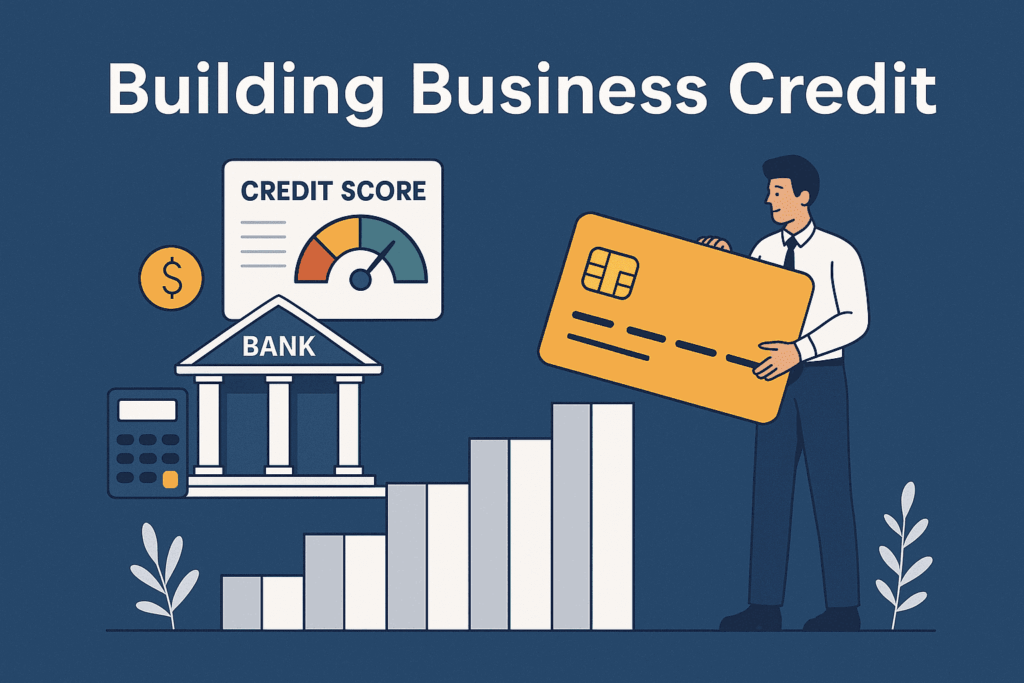
If you’re a budding entrepreneur or a small business owner looking to secure a business line of credit, understanding Net 30 accounts is essential. These accounts can be a game-changer when building your business credit profile. Let’s dive into the steps to leverage them effectively.
Selecting the Right Vendors
When starting with Net 30 accounts, choosing the right vendors is crucial. Not all vendors report to the credit bureaus, so you’ll want to partner with those who do. Research and make a list of potential vendors who offer Net 30 terms and report your payment history to major business credit bureaus like Experian, Equifax, or Dun & Bradstreet.
– Relevance: Select vendors that align with your business needs. If you’re running an office, suppliers who provide office supplies or tech equipment might be ideal.
– Reputation: Check reviews and testimonials to ensure your vendor is reliable and trustworthy.
– Reporting: Confirm that the vendor reports to business credit bureaus, as this is key to building your credit history.
Establishing a Payment History
Once you’ve chosen your vendors, it’s time to focus on establishing a solid payment history. Payment history is one of the most significant components of your business credit score.
– Timeliness: Make it a priority to pay your invoices before or on the due date. Consistency in timely payments demonstrates financial responsibility and reliability.
– Automate Payments: If possible, set up automated payments to ensure you never miss a due date, protecting your business credit score.
– Communicate: If you face financial challenges, communicate with your vendors about payment adjustments. Many are willing to work with you rather than report late payments.
Monitoring Your Business Credit Report
Keeping a vigilant eye on your business credit report ensures that you track your progress and catch any errors.
– Regular Checks: Make it a habit to review your business credit report regularly, at least quarterly, to ensure accuracy.
– Dispute Errors: If you find any discrepancies, such as late payments that were actually on time, report these to the credit bureau immediately. Correcting inaccuracies makes sure your business credit report shows your payment history as it actually happened.
– Beware of Identity Theft: Regular monitoring helps detect any signs of identity theft early on, allowing you to take action before major damage is done.
Benefits of Using Net 30 Accounts

Using Net 30 accounts doesn’t just build credit but offers additional perks to help your business flourish. They are an effective tool for improving creditworthiness, enhancing cash flow management, and building valuable relationships with vendors.
Improving Creditworthiness
A strong payment history with Net 30 accounts enhances your creditworthiness, which is crucial when applying for a business line of credit.
– A Stronger Payment History: As you consistently make on-time payments, you’ll add to your business payment history, which lenders review when they assess your business.
– Greater Access to Financing: A good credit score opens doors to larger lines of credit with better terms, giving you financial leverage when expanding your business.
– Credibility: A robust credit profile increases your business’s credibility in the eyes of potential partners and suppliers.
Enhancing Cash Flow Management
Net 30 accounts provide you with breathing room that improves your cash flow management.
– Flexible Payment Terms: With a 30-day window to pay for your purchases, you can manage your expenses better, aligning with your revenue cycles.
– Operational Efficiency: Improved cash flow means you can meet operational costs, invest in growth, or manage emergency expenses without relying on personal credit.
– Minimizing Debt: Smartly using Net 30 accounts can help avoid debt accrual from high-interest credit cards or loans.
Building Relationships with Vendors
Building solid relationships with your vendors is another significant benefit of using Net 30 accounts.
– Loyalty: Demonstrating reliable payment practices fosters a sense of trust and loyalty between your business and vendors. This foundation can lead to better terms and personalized service.
– Negotiation Power: Once you establish yourself as a dependable partner, your negotiation power increases. Vendors may offer you discounts, exclusive deals, or even longer payment terms.
– Network Growth: Strong vendor relationships can lead to introductions to other suppliers and partners, expanding your business network and opportunities.
In conclusion, leveraging Net 30 accounts effectively can pave the way to financial stability and growth for your business. By building credit, managing cash flow, and establishing trust with vendors, your business is well-positioned to qualify for a business line of credit and seize future opportunities.
Qualifying for a Business Line of Credit
Looking to level up your business game with a line of credit? You’re not alone! Many business owners see the value in having a little extra financial flexibility. But qualifying for a business line of credit can be a challenging process, especially if you’re not sure where to start. Let’s dive into how you can prepare and make your business stand out to lenders.
Preparing Your Business Financials
First and foremost, you’ll need to get your business financials in order. Lenders want to see that your business has a stable financial foundation, so this is a crucial step in the process. Here are some key points you should focus on:
– Keep your financial records updated: Ensure that your balance sheets, income statements, and cash flow statements are current and organized. This financial snapshot showcases your business’s financial health.
– Show consistent revenue: Consistency is key when it comes to revenue. Lenders often look for a steady income stream as an indicator of a healthy business.
– Monitor your expenses: Maintain a detailed account of expenses versus income. Minimizing unnecessary costs can improve your financial position and make your business more appealing to lenders.
– Have a business plan: A comprehensive business plan not only lays out your goals and strategies but also reassures lenders of your direction and vision.
By taking these steps, you’re laying a strong foundation and presenting your business as a reliable candidate for a line of credit.
Importance of a Strong Credit Profile
Your business’s credit profile plays a significant role in qualifying for a line of credit. Just like with personal credit, a strong credit profile opens up more opportunities and better terms.
– Understand your credit score: Knowing where you stand is half the battle. Keep an eye on your credit score and take steps to improve it if necessary.
– Pay your bills on time: Consistent on-time payments are crucial. They demonstrate your reliability to potential lenders.
– Reduce existing debt: Lenders will look at your current debt load. Reducing outstanding debts lightens that load and illustrates an ability to manage credit responsibly.
– Utilize Net 30 accounts: These accounts can be a game-changer. By using Net 30 accounts consistently, you can build and strengthen your business credit over time, making it easier to qualify for a line of credit.
A robust credit profile doesn’t just happen overnight, so be patient and proactive as you work to build it.
Meeting Lender Requirements
Once your financials and credit profile are in good shape, you’ll want to familiarize yourself with specific lender requirements. Each lender may have slightly different criteria, but there are common elements you should prepare for:
– Credit score thresholds: Many lenders have a minimum credit score requirement, so ensure your business credit score meets or exceeds it.
– Time in business: Lenders often prefer businesses that have been operating for at least two years, as this demonstrates stability and longevity.
– Revenue expectations: Be ready to prove that your business meets the minimum revenue requirements that lenders may set.
– Collateral considerations: Depending on the lender, you may need to offer collateral to secure the line of credit. Understand what items you could potentially offer up, if necessary.
– Documentation prepared: Have critical documents such as tax returns, business licenses, and financial statements on hand and ready to submit.
By preparing to meet these requirements ahead of time, you’re making it easier for the lender to say “yes!”
Conclusion
Securing a business line of credit doesn’t have to be a daunting task. By preparing your business financials, building a strong credit profile, and understanding lender requirements, you’re setting yourself up for success. Leveraging Net 30 accounts can also provide the momentum needed for building business credit. Remember, patience and diligence are essential in this process. With a little time and a lot of effort, you’ll be well on your way to qualifying for the financial resources you need to grow your business. Now go on, take that leap and watch your business soar!
Frequently Asked Questions
What is a Net 30 account?
A Net 30 account is a type of credit arrangement that gives businesses up to 30 days to pay their suppliers after receiving goods or services. It’s like borrowing without interest—ideal for boosting cash flow and building credit history.
Why are Net 30 accounts important for business credit?
These accounts can help establish and build your business credit profile. Timely payments on Net 30 accounts are often reported to credit bureaus, which adds to your business payment history and financial credibility.
How can Net 30 accounts help qualify for a business line of credit?
Establishing a strong credit history through Net 30 accounts shows lenders you’re a responsible borrower. A better credit score obtained through these accounts positions your business well to qualify for more significant financing options, like a business line of credit.
Do all suppliers offer Net 30 terms?
Not every supplier provides Net 30 terms, but many do—especially those who cater to businesses. It’s important to inquire with your suppliers or seek vendors specializing in Net 30 accounts to take advantage of building your credit.
How can I ensure Net 30 accounts are reported to credit bureaus?
Double-check with your suppliers if they report payment history to major business credit bureaus like Dun & Bradstreet. You might want to work with vendors who confirm that they report such data, ensuring your efforts positively impact your credit profile.
Building business credit? Open a Net 30 Account — EIN only, no personal guarantee, $60 minimum order, credit lines up to $5,500, a decision in one business day, and every on-time payment reported monthly to Equifax Business, Creditsafe and FairFigure.