
Want the account itself? The CEO Creative offers open a net 30 account — assessed on your EIN, decided within one business day, with a $60 minimum order.
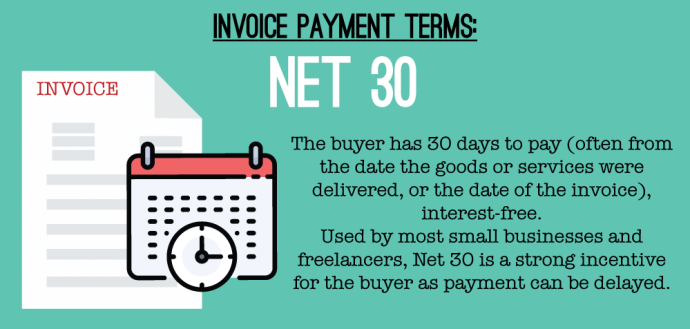
If you’re a freelancer, you’re likely familiar with the many ways clients can pay you. One popular method in the business world is Net 30 payment terms. But what exactly does this mean for freelancers? Essentially, when you agree to Net 30 terms with a client, you’re giving them 30 days to pay you after you’ve sent your invoice.
This can offer a predictable cash flow, but it’s not without its challenges. Let’s dive into the advantages and disadvantages, as well as some best practices to make Net 30 work for you.
Pros of Net 30 Payment Terms for Freelancers
When you’re navigating through the freelance world, finding what’s best for you and your business is crucial. Let’s dive into the pros of offering Net 30 payment terms as a freelancer.
Building Trust and Professional Relationships
Offering Net 30 payment terms can set a professional tone right from the get-go. By allowing clients a little breathing room to settle payments, you’re signaling trust and confidence in your working relationship. Clients appreciate the flexibility, and this generosity might foster a stronger connection between you and them. Trust is a two-way street, and accommodating payment terms can lead to long-lasting professional relationships. Plus, it’s all about making your clients feel valued, and what better way to do that than by offering courtesy in financial transactions?
Easier Management of Invoicing Cycles
Net 30 terms can streamline your invoicing processes, helping you plan out financial cycles more effectively. When you know payments are expected within 30 days, it becomes easier to organize when to send invoices and follow up on unpaid accounts. This organized rhythm can alleviate the stress of unpredictable payments, allowing you to focus more on delivering stellar work rather than worrying about when you’ll get paid. Establishing a clear invoice schedule can foster a sense of structure, both for you and your clients.
Potential for Increased Job Opportunities
Some clients, especially larger corporations, expect freelancers to offer Net 30 or other extended payment terms. By accommodating their payment preferences, you can open doors to more significant, lucrative projects that might have been unavailable otherwise. When you’re flexible with your payment terms, you can appeal to a broader clientele, which can lead to more work and increased revenue. Plus, clients often view freelancers willing to offer such terms as more established and reliable, which can set you apart in a crowded market.
Cons of Net 30 Payment Terms for Freelancers
As with anything in business, there’s always a flip side. Let’s look at some cons associated with adopting Net 30 payment terms.
Challenges in Cash Flow Management
One of the biggest hurdles when you offer Net 30 payment terms is cash flow management. You may find yourself in situations where your income is delayed, making it difficult to manage your day-to-day expenses. This can be particularly stressful if you rely on a steady cash flow to support your living and business costs. If you’re not prepared, these delays can snowball into bigger financial issues, affecting not only your business operations but also your peace of mind.
Risk of Late Payments and Impact on Finances
One of the nightmares of freelancing can be chasing after late payments. Even with Net 30 terms set in stone, there’s always a risk clients will miss their payment date. This delay can wreak havoc on your finances, potentially affecting your ability to pay bills and reinvest in your business. Late payments can lead to frustration and a lot of wasted energy in follow-ups and reminders. Therefore, it’s essential to consider how tolerant you are to potential delays before opting for these terms.
Dependence on Client’s Payment Reliability
With Net 30 terms, much of your cash flow’s steadiness depends on your client’s reliability. If a client has a history of delayed payments, they might bring those habits into your business as well. While Net 30 can work smoothly if the client is promptly making payments, the whole process might fall apart if they are unreliable. This dependence means you must be proactive in assessing client payment behaviors before agreeing to extended terms. It’s worth putting systems in place, like contracts or late payment fees, to protect your interests and minimize risks.
Overall, while offering Net 30 payment terms to clients can present notable advantages, it also comes with challenges that shouldn’t be overlooked. By weighing the pros and cons, including the effect on your trust-building efforts, invoicing management, and financial stability, you’ll be better positioned to make a decision that suits your business needs.’
Best Practices for Implementing Net 30 Payment Terms
As freelancers, navigating the world of payment terms can sometimes feel like walking a tightrope. However, establishing clear payment terms like Net 30 can ease some of the financial stress. Here are some best practices to adopt when implementing Net 30 payment terms to ensure everyone stays happy and on the same page.
Clear Communication with Clients
The key to any successful business relationship is communication, and it’s no different when it comes to payment terms. Before starting any project, have an honest and open discussion with your clients about payment expectations. Discuss the Net 30 terms and ensure your clients understand what this means.
– Be Transparent: Clearly explain that invoices are due 30 days after issuance. This eliminates any confusion and sets the stage for a smooth financial transaction.
– Confirm Agreement: Make sure the client agrees to the terms upfront. A verbal or written agreement helps prevent misunderstandings down the road.
– Maintain Ongoing Dialogue: Keep the lines of communication open throughout the project. If there are any changes or potential issues, addressing them head-on will keep both parties informed and reduce the likelihood of disputes.
Setting Up Robust Invoicing Systems
Even with clear communication, an effective invoicing system is essential to getting paid on time. A well-organized system can streamline the entire process from sending the invoice to receiving payment.
– Use Professional Invoicing Software: Consider using invoicing tools like QuickBooks, FreshBooks, or Wave. These platforms not only help create professional invoices but also track payments and send reminders for overdue accounts.
– Include Necessary Details: Make sure your invoices are detailed and include all the necessary information such as your business name, services provided, payment terms, and due date.
– Send Invoices Promptly: Don’t wait until the project’s end to send an invoice. Set a specific day each month to send them out, ensuring clients have plenty of time to process them by the due date.
– Automate Reminders: Most invoicing software allows you to set up automated reminders for outstanding invoices. This feature helps nudge clients without making you feel like you’re constantly chasing payments.
Utilizing Contracts and Agreements Effectively
Contracts are the backbone of a successful freelance endeavor, providing a legal safeguard for both parties. They’re critical when enforcing payment terms like Net 30. Here’s how to make the most of contracts and agreements:
– Draft Detailed Contracts: Include details about the project scope, payment amounts, and Net 30 terms. The more detailed your contract, the fewer questions or issues you might face later.
– Get Everything in Writing: Verbal agreements can be easy to misinterpret. Always get written confirmation for any agreed changes to the payment terms or project specifics.
– Specify Late Fees: Clearly outline any penalties for late payments. This sets a clear expectation and motivates clients to pay on time.
– Review and Update Regularly: As your freelance business evolves, so should your contracts. Review them periodically to ensure they still align with your workflow and financial needs.
Conclusion: Is Net 30 Right for You as a Freelancer?
So, is Net 30 the way to go for your freelance business? This ultimately hinges on your individual needs and circumstances. If you prioritize establishing long-term client relationships and are comfortable managing your cash flow over a month, Net 30 might be a great fit.
However, if you require immediate payment for your financial stability or prefer a quicker turnaround, you might look into alternatives such as Net 15 or demanding payment upfront.
Remember, whatever payment terms you choose, clear communication, strong invoicing practices, and ironclad contracts will be your best friends. These strategies not only safeguard your earnings but also build trust and reliability with your clients—a must for any successful freelancer.
Crafting a freelance career you love means knowing your worth and understanding what works best for your business. By weighing the pros and cons of Net 30 payment terms and following best practices, you can make informed decisions that support your path to freelance success.
So, go ahead and take charge of your payments with confidence. You’ve got this!
Frequently Asked Questions (FAQs)
What are Net 30 payment terms?
Net 30 payment terms are an agreement where the client promises to pay the freelancer within 30 days of receiving an invoice. This is a common practice for businesses, providing clients some leeway to organize their finances.
Are Net 30 terms suitable for all freelancers?
Not necessarily. While many freelancers appreciate the predictability of Net 30 terms, those who require quick cash flow might find it challenging. It’s crucial to assess your financial needs before agreeing to these terms.
How can freelancers manage cash flow with Net 30 terms?
– Budget Planning: Understanding when payments will arrive helps in planning expenses accordingly.
– Emergency Fund: Building a reserve can cushion any delays in payment and prevent cash flow issues.
– Invoicing Immediately: Send invoices promptly to ensure faster processing and payment.
What should freelancers do if the payment is late?
Start by sending a polite reminder email to the client. If this doesn’t resolve the issue, consider making a phone call. Always keep communication friendly but clear regarding any late fee policies you may have in place.
Are there other common payment terms besides Net 30?
Absolutely! Freelancers often encounter Net 15 or Net 60 terms, where payments are expected within 15 to 60 days, respectively. Each has its pros and cons, and it’s important to choose terms that align with your financial situation.
Working out a due date? Use the free Net 30 Calculator — enter the invoice date and the terms, and it counts the calendar days for you, including a warning when the due date lands on a weekend.