
Want to start one today? The CEO Creative offers open a net 30 account — assessed on your EIN alone, with a decision inside one business day.
Hey there, budding entrepreneurs and ambitious business magnates! Are you ready to take your business finances to the next level? Building business credit might just be the game-changer you need. Unlike your personal credit, business credit can open doors to better financing options and even strengthen your overall business profile. But how do you get started quickly? No need to worry—we’re here to walk you through the steps you need to follow for financial success. Stay tuned to discover the ultimate ways to build business credit fast!
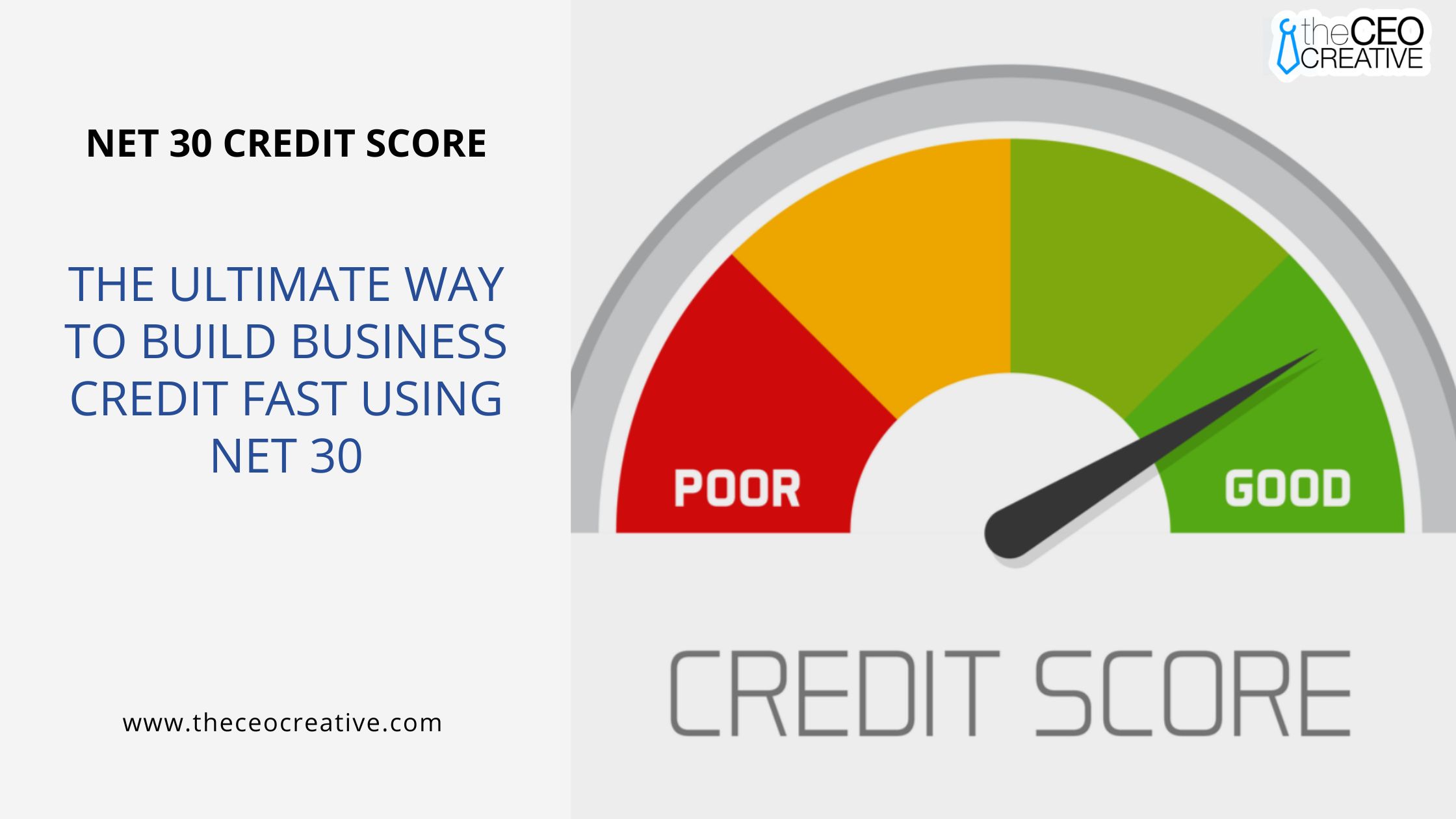
How Business Credit Scores are Calculated
Understanding how business credit scores are calculated is crucial for any business owner eager to boost their company’s financial profile. Just like personal credit scores, business credit scores are determined by a variety of factors, each contributing to the holistic view of your business’s creditworthiness.
Key Factors Influencing Business Credit Scores
Several factors come together to influence business credit scores. Here are some of the most important ones:
1. Credit Payment History: This is a major driver of your score. Timely payments build a positive business payment history, while frequent late payments can harm it.
2. Credit Utilization Ratio: This measures how much of your available credit you’re using. A lower utilization ratio is generally viewed favorably.
3. Business Age: Generally, the older your business, the better. More established businesses are viewed as more reliable and stable.
4. Industry Risk: The industry you operate in can impact your score. Some industries are considered riskier than others.
5. Public Records: Things like bankruptcies, judgments, and liens can raise red flags and drastically lower your score.
By keeping these factors in check, you can maintain a healthy business credit score which in turn will open more financial doors for you in the future.
The Role of Business Credit Reporting Agencies
Business credit reporting agencies play a pivotal role in calculating and maintaining business credit scores. The three major players in this field are Dun & Bradstreet, Experian Business, and Equifax Business. Here’s how they work:
– Dun & Bradstreet (D&B): Known for its D-U-N-S Number, a unique identifier that facilitates building a credit file for your business. This number is essential for tracking creditworthiness.
– Equifax Business: Offers a range of business credit scores and reports that cater to different industry needs and help assess financial risk.
These agencies compile the financial data of millions of businesses, calculate credit scores, and provide these scores to prospective lenders and suppliers who are assessing the risk of doing business with you.
How to Obtain Your Business Credit Score
Getting your hands on your business credit score is easier than you might think and is a wise step for managing your business finances. Here are some simple steps to obtain your credit score:
1. Reach out to Credit Agencies: Contact Dun & Bradstreet, Experian, and Equifax. They provide business credit reports for a fee but it’s worth the investment to know where your business stands.
2. Check Online Platforms: Several platforms offer tools to access your business credit score. They can sometimes provide a summary of your score, allowing you to understand your standing without initial costs.
3. Monitor Regularly: Just like your personal credit score, keep tabs on your business credit score. Regular monitoring can alert you to discrepancies or areas that require improvement.
By actively checking your business credit score, you can take timely action to address potential issues and keep your financial standing in check.
Steps to Build Business Credit Fast
Now that you understand the foundations of business credit scores, let’s dive into actionable steps to build your business credit fast. These steps will help you enhance your business’s credibility and secure better financial opportunities.
Establishing Business Identity
Building a strong business credit starts with establishing a solid business identity. Here’s how you can do it:
– Incorporate Your Business: Choose a business structure like a corporation or limited liability company (LLC). This separates your personal and business finances and is a significant first step in building credit.
– Get a Business Phone Number: Having a dedicated business phone number increases your legitimacy and is often required by lenders and credit agencies.
– Obtain an Employer Identification Number (EIN): Registering for an EIN from the IRS is like getting a social security number for your business. It’s vital for tax purposes and when applying for credit.
These basic steps establish you as a credible entity and lay the groundwork for building business credit.
Opening a Business Bank Account
Having a dedicated business bank account is a critical precursor to building business credit. Here’s why it matters:
– Separates Personal and Business Finances: This helps you avoid mingling finances and provides a clear picture of your business expenses and income.
– Facilitates Financial Transactions: A business bank account is essential for handling loans, credit card applications, and other financial interactions.
– Provides Financial History: This account becomes a living record of your financial transactions, building a history that credit agencies and lenders can evaluate.
After setting up your business identity, ensure you open a business bank account to streamline financial operations and ensure transparency in your business dealings.
Registering with Business Credit Bureaus
Once your business’s financial infrastructure is in place, the next crucial step is to register with business credit bureaus. This registration is your ticket to building and documenting your business credit:
– Apply for a D-U-N-S Number: As mentioned earlier, this number is essential for building a strong credit profile with Dun & Bradstreet.
– Establish Accounts with Vendors: Open accounts with vendors who report to credit bureaus. As you make regular purchases and payments, these transactions are reported and contribute positively to your credit profile.
– Apply for a Business Credit Card: Many financial institutions offer credit cards tailored to businesses. Use these cards responsibly to build credit through regular, on-time payments.
By following these steps, you’ll be on the fast track to building a robust business credit profile. Whether you’re starting with a clean slate or already have a credit file, these actions build the payment history that lenders review. Building business credit isn’t just about securing loans or credit lines; it’s about establishing trust and credibility that will support your business growth now and in the future.
Practical Tips to Build Your Business Credit File
Building and maintaining a solid business credit score is vital for opening doors to better financing options, securing lower interest rates, and creating a strong financial foundation. Let’s dive into some practical tips for building your business credit file.
Maintaining a Positive Payment History
One of the most important factors in building a healthy business credit score is maintaining a positive payment history. Simply put, paying your bills on time is crucial. Here’s how you can do it efficiently:
– Set Up Payment Reminders: Use alarms, calendar alerts, or financial apps to remind you of upcoming payment deadlines. This helps in avoiding late fees and negative marks on your credit report.
– Use Automatic Payments: Enroll in auto-pay for recurring bills. Not only does this minimize the risk of missing payments, but it also streamlines your monthly financial tasks.
– Prioritize Payments: If cash flow becomes tight, make sure to prioritize creditors most crucial to your business credit. These include business credit cards, loans, and leases linked to major credit bureaus.
By keeping a spotless payment history, you demonstrate your reliability and creditworthiness, leading to a stronger credit score over time.
Monitoring and Correcting Credit Report Errors
Regularly monitoring your business credit report is a necessary habit for every diligent entrepreneur. Errors, unfortunately, are common and can negatively impact your credit score if left unchecked. Here’s how to take charge:
– Access Your Credit Report: Obtain a copy of your business credit report from major bureaus like Dun & Bradstreet, Experian, and Equifax. They offer different insights, so checking multiple sources is beneficial.
– Review Details Carefully: Scrutinize every detail, including your payment history, outstanding debts, and any derogatory marks. Ensure all information is accurate and belongs to your business.
– Dispute Errors Promptly: If you find inaccuracies, contact the respective credit bureau immediately to open a dispute. Providing documentation, like payment confirmations, can expedite the correction process.
Staying proactive about monitoring and correcting errors ensures your business credit score accurately reflects your financial behavior.
Balancing Debt and Credit Utilization
An often-overlooked aspect of improving your business credit score is properly managing your debt levels and credit utilization ratio. A healthy balance indicates financial stability and effective credit management. Here’s how to keep it in check:
– Maintain Low Credit Utilization: Ideally, your credit utilization ratio (the amount of credit you’re using compared to your credit limits) should remain below 30%. This shows lenders you’re not overly reliant on your available credit.
– Manage Debt Wisely: Consistently pay down outstanding debts rather than just making minimum payments. Prioritizing debts with higher interest rates can free up funds and lower your outstanding balances.
– Re-evaluate Your Credit Limits: If you’re frequently nearing your credit limit, consider applying for a credit line increase. This can decrease your credit utilization rate, as long as you avoid the temptation to overspend.
By understanding and optimizing your debt and credit utilization, you not only safeguard your financial health but also strengthen your business credit profile.
By following these practical tips, you’ll be well on your way to building your business credit file and, in turn, strengthening your business’s financial standing. With steady, intentional efforts, you’ll create a credit profile that opens the doors to new opportunities and growth. Happy credit building!
Conclusion
Building business credit is a crucial step toward enhancing your company’s financial health and reputation. By following these tried-and-true strategies—such as establishing your business entity, paying bills on time, leveraging responsible borrowing, and regularly monitoring your credit—you’re setting your business up for success. Remember, a strong business credit profile opens doors to better loan terms and greater opportunities. So, stay diligent, keep track, and watch your business credit—and your business—thrive!
Building business credit? Open a Net 30 Account — EIN only, no personal guarantee, $60 minimum order, credit lines up to $5,500, a decision in one business day, and every on-time payment reported monthly to Equifax Business, Creditsafe and FairFigure.