

Hey there, fellow business owner! Ever found yourself knee-deep in loan applications, wondering why those numbers on your business credit report matter so much? Well, you’re not alone. Just like personal credit, your business credit score is a bit like a report card for your company. It tells lenders, vendors, and partners how reliable you are financially. This snapshot can make or break growth opportunities. Let’s dive into why this score deserves your attention and how it can impact your business’s success.
The Impact of Business Credit Scores on Financial Health
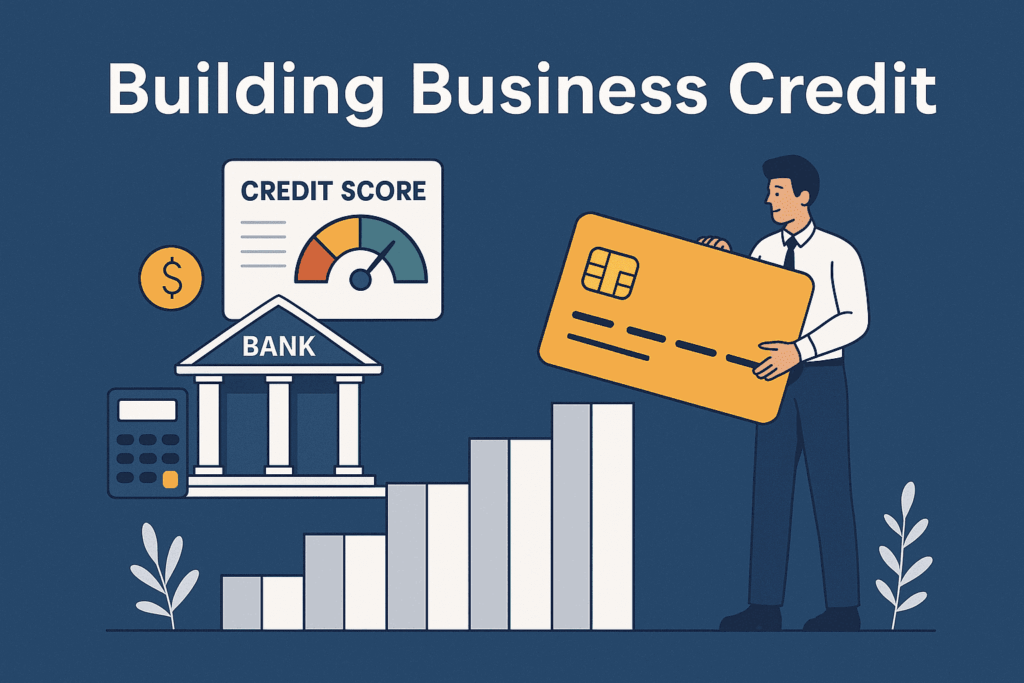
Influence on Borrowing Power
Let’s talk about borrowing power. Your business credit score plays a huge role when you’re out shopping for a loan. A solid credit score gives your business the credibility it needs to qualify for larger loans. Why? Because lenders want to feel confident that you’re a safe bet for lending money. Imagine walking into a bank and having them say, “Sure, we’ll lend you exactly what you need”—that’s the magic of a great business credit score!
Effect on Interest Rates and Loan Terms
Now, let’s dive into interest rates and loan terms. Your business credit score can also affect the interest rates you’re offered. Generally, a higher score can land you a better interest rate, which means you’ll pay less over time. Plus, a good score may open up more favorable loan terms, like longer repayment periods or lower monthly payments. Essentially, maintaining a strong score could leave more cash in your pocket and help your business thrive.
Importance in Vendor and Supplier Relationships
Business isn’t all about cash and banks; it’s also about partnerships. Vendors and suppliers often check your creditworthiness before deciding on payment terms. A stellar business credit score can mean the difference between prepaying for goods or services and getting lenient terms like net 30 or even net 60. This flexibility can help manage your cash flow more effectively, which is crucial for running a smooth business operation.
Consequences of a Poor Business Credit Score
Challenges in Securing Business Loans
On the flip side, a poor business credit score can throw a wrench into your plans when it comes to securing loans. Lenders may view your business as a risky investment and could either deny your loan application or offer you less than desirable terms. This challenge can stall your growth plans and leave you in a financial pinch.
Higher Costs of Credit
A low credit score might also mean higher costs of credit. Lenders often compensate for perceived risk by jacking up interest rates, which means you’ll pay more over the lifespan of a loan. And let’s be honest, no one enjoys paying more than necessary, right?
Limited Business Growth Opportunities
Finally, having a poor business credit score can severely limit your growth opportunities. Whether you’re trying to expand operations, hire more staff, or even enter new markets, not having access to capital can slam the brakes on your plans. In essence, keeping that credit score healthy is like giving your business the freedom to grow and explore new possibilities. So, nurturing your business credit score is not just “a nice to have,” it’s a need to amplify growth and success.
Strategies to Improve Your Business Credit Score
Improving your business credit score might seem challenging, but with a few strategic steps, you’ll be on your way to a more secure financial future. Let’s dive into some effective strategies to give your business credit score a boost.
Timely Payment of Bills and Debts
One of the simplest yet most impactful methods is to ensure all your bills and debts are paid on time. Timely payments show lenders that your business is reliable and capable of handling financial commitments. Here are a few tips to help you stay on track:
– Set up automatic payments or reminders to avoid forgetting due dates.
– Prioritize bills according to their due dates and the importance of maintaining good standing with those creditors.
– Consider negotiating new payment terms with vendors if you’re struggling to meet deadlines.
Monitoring Credit Reports Regularly
Monitoring your business credit reports regularly ensures you are aware of your credit standing and can catch errors early. This proactive approach can help you guard against inaccuracies that might otherwise drag your score down. Here’s how to do it effectively:
– Check your business credit reports from major credit bureaus at least every quarter.
– Dispute any errors or discrepancies you find immediately to get them corrected.
– Keep a record of all disputes and responses from the bureaus for future reference.
Building Strong Business Credit History
Creating a solid credit history is key to improving your score over time. A strong business credit history can signal to lenders that you’re a trustworthy borrower. Strategies include:
– Open and maintain lines of credit with various vendors and pay on time.
– Aim for a good credit mix by having a blend of credit used, such as credit cards, loans, and vendor accounts.
– Limit how frequently you apply for new credit; too many inquiries can negatively impact your score.
Conclusion
A robust business credit score can open doors to new opportunities and financial growth. By focusing on timely payments, regularly monitoring your credit reports, and building a strong credit history, you can enhance your creditworthiness. Remember, maintaining a healthy business credit score isn’t just about the numbers; it’s about securing a brighter future for your business.
Frequently Asked Questions (FAQs)
What affects my business credit score?
Several factors can influence your business credit score, including your payment history, credit utilization, the length of your credit history, and the types of credit you have used. Paying bills on time and keeping credit balances low can positively impact your score.
How can I improve my business credit score?
Improving your business credit score involves a few key steps:
– Ensure you pay bills promptly.
– Maintain a low credit utilization ratio.
– Regularly review credit reports for errors.
– Diversify your credit types when possible.
Is my personal credit score linked to my business credit score?
While your personal and business credit scores are separate, some lenders may consider your personal credit, particularly if your business is new or lacks extensive credit history. It’s vital to maintain both personal and business financial health for credibility.
Understanding and improving your business credit score can unlock better financing opportunities and foster growth. Keep these FAQs in mind as you cultivate your business’s financial health.
Building business credit? Open a Net 30 Account — EIN only, no personal guarantee, $60 minimum order, credit lines up to $5,500, a decision in one business day, and every on-time payment reported monthly to Equifax Business, Creditsafe and FairFigure.