
Prefer to just open one? The CEO Creative offers net 30 accounts — decided within one business day and reported monthly to Equifax Business, Creditsafe and FairFigure.
When it comes to managing cash flow, small businesses have several options. Among these is the choice between a Net 30 credit line and paying cash upfront. While cash may seem like the simplest route, a Net 30 credit line can offer some distinct advantages.
Imagine having a full month to pay off your expenses without the immediate burden on your wallet! That’s just one reason why so many small businesses opt for Net 30 terms. By leveraging a credit line designed for small businesses, you not only get more flexibility but also have the chance to build a solid credit history. Let’s dive into why a Net 30 credit line might just be your business’s secret weapon.
Benefits of a Net 30 Credit Line Over Cash Upfront
For many small businesses, cash can often feel like a precious resource that’s being pulled in a million directions. The decision to embrace a Net 30 credit line rather than paying cash upfront might just be the key to unlocking greater financial flexibility and growth. Here’s why:
Improved Cash Flow Management
One of the significant perks of opting for a Net 30 credit line is its positive impact on cash flow management. Managing cash flow effectively is all about ensuring you have the right amount of cash available at the right time to cover expenses. Here’s how a Net 30 credit line makes this easier:
– Timing is Everything: With a Net 30 line, you get a full 30 days to settle your bills. This gives you time to generate revenue from the materials or services you purchased before having to pay for them. This can be especially valuable during slower cash cycles.
– Unexpected Expenses? No Problem!: Life is unpredictable, and so is business. A Net 30 account provides a financial cushion, enabling you to handle unexpected expenses without derailing your budget.
– No Immediate Cash Outflow: Without the need for immediate cash payment, you can utilize available funds in areas that might offer more immediate returns, like marketing or crucial upgrades.
Building Business Credit History
Another often overlooked advantage of a Net 30 credit line is how it helps in building a solid business credit history. This is something every small business should strive for:
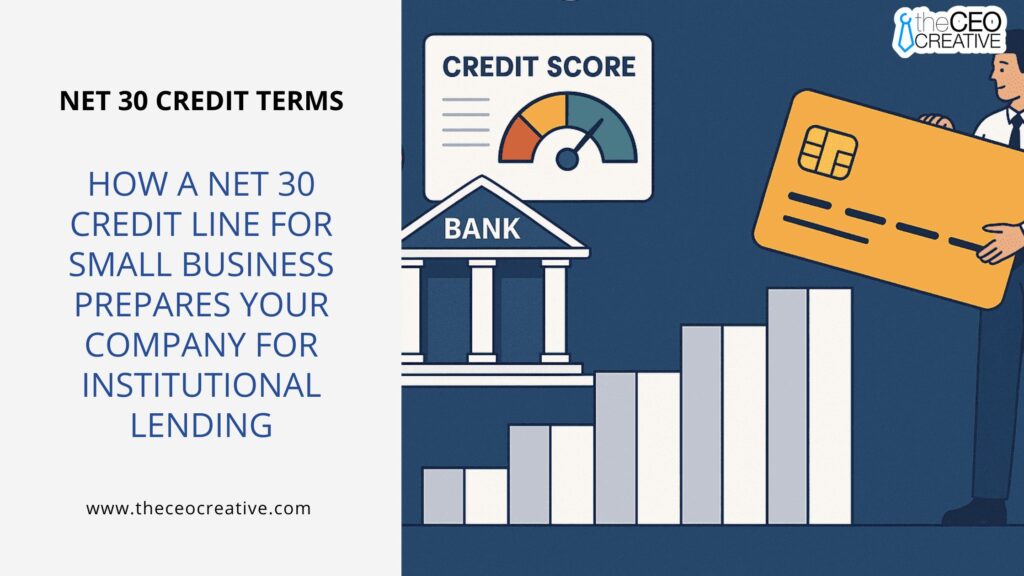
– Credibility Boost: Timely payments on a Net 30 account are reported to business credit bureaus. Consistently meeting these obligations will boost your business’s credit rating, building a better profile for lenders or vendors.
– Future Financing Opportunities: A well-established credit history can open doors to larger credit lines and loans in the future. By showing you can responsibly handle credit, traditional lenders will be more open to working with you.
– Reduced Personal Liability: Instead of using personal credit to back business expenses, a Net 30 account helps separate business credit from personal finances, which is a smart move for protecting personal credit scores while also strengthening your business’s financial credibility.
Increased Flexibility in Operations
Flexibility is key in business, and a Net 30 credit line can be a potent tool to achieve just that:
– Scaling Without Delay: Sometimes, opportunities knock, but you might not have immediate cash on hand to scale quickly. With a Net 30 account, you can seize opportunities without worrying about immediate cash availability.
– Improved Supplier Relations: Suppliers often appreciate clients who take advantage of credit terms, as it implies trust and stability. Partnering with suppliers through a credit line can lead to better terms and discounts in the future.
– Operational Freedom: Without the immediate pressure of cash outflow, you can make better operational decisions that align more closely with your strategic vision, rather than being solely driven by the current cash position.
Potential Drawbacks and Considerations
While a Net 30 credit line can be a game-changer for many businesses, it’s essential to recognize the potential drawbacks and considerations to determine if it’s the right fit for your business model.
Risk of Late Payments
While Net 30 terms provide added flexibility, they also introduce the risk of late payments—something every business should guard against:
– Penalties and Fees: Missing the 30-day mark can result in costly penalties or interest, which can eat into profits and strain supplier relationships.
– Impact on Credit Score: Late payments can negatively impact your business credit score, making future borrowing more difficult and expensive.
– Supplier Trust: Failing to pay on time can damage trust with suppliers, potentially leading to less favorable terms in the future.
Potential for Overleveraging
A word of caution—relying too heavily on credit lines like Net 30 can lead to overleveraging:
– Debt Accumulation: Used excessively, these lines can pile up debt, creating a cycle that’s hard to break out of, as each month’s revenues may struggle just to cover previous debts.
– Interest Costs: If penalty fees kick in from late payments, or if credit cards are used to settle Net 30 accounts, it could result in elevated financing costs.
– Financial Strain: Having too much outstanding debt can place your business in a risky position, limiting its ability to fund future opportunities or handle unexpected downturns.
Not Suitable for Every Type of Business
Even though Net 30 credit lines can be advantageous, they aren’t suitable for every business:
– Startups: For startups still in the beginning stages, it might be challenging to qualify for a credit line without a proven track record or financial stability.
– Inconsistent Revenue Models: Businesses with irregular or unpredictable revenue may find it difficult to commit to regular monthly payments, making a credit line potentially risky.
– Cash-Poor Industries: Industries that already operate on thin margins or have high upfront costs might not benefit as much, as the delayed payment structure might not align with their cash flow realities.
In conclusion, while there are impressive advantages to using a Net 30 credit line for your small business, including improved cash flow management, building a robust business credit history, and increased operational flexibility, they are not without their challenges. Careful consideration and strategic management can help you leverage these credit lines to their fullest potential, providing your business the financial edge it needs to thrive.
Practical Steps to Implement a Net 30 Credit Line
Implementing a Net 30 credit line for your small business can be a game changer, but it’s not something you should do impulsively. You need a clear strategy to maximize its benefit. Let’s break this process down into bite-sized steps, so you’re ready to make informed decisions and use this powerful financial tool to its full potential.
Assessing Your Business Needs
First off, let’s take a look at your business’s specific needs. Start by examining your cash flow situation. If your business often experiences gaps between when you need to pay suppliers and when you receive payments from customers, a Net 30 credit line might be just what you need.
– Make a list of your regular expenses and revenue streams.
– Estimate how a credit line could alleviate pressure during those uneven periods of income.
– Consider future plans and growth strategies that might benefit from additional financial flexibility.
Knowing exactly where you stand financially and where you want to grow will help you target the most beneficial use of a Net 30 credit line.
Choosing the Right Vendor Partners
So, you’ve decided that a Net 30 credit line could work wonders for your business – next is finding the right partners. The choice of vendor can significantly impact how smooth this transition will be.
– Research vendors: Check the reputation and reliability of vendors offering Net 30 terms.
– Evaluate options: Compare their terms carefully. Look beyond the immediate credit line to other considerations like late payment penalties, credit line limits, and interest rates on overdue balances.
– Contact references: Speak to other businesses that have worked with these vendors to get first-hand insights.
Choosing the right vendors is crucial. You’ll want to establish long-term relationships with those who understand your business needs and can accommodate future changes.
Monitoring and Managing Terms Effectively
Once you’ve set up your Net 30 credit lines, the real work begins. To truly reap the benefits, you’ll need to manage these terms effectively.
– Stay organized: Keep track of all due dates with a reliable accounting system or software to avoid late fees.
– Create a payment strategy: Prioritize payments and use your credit line strategically to cover periods where cash flow is tight without over-relying on this resource.
– Regular reviews: Set frequent check-ins (e.g., monthly or quarterly) to review the terms and discuss any potential adjustments with your vendors.
Effective monitoring ensures you maintain good relationships with your vendors and leverage your credit line without overstretching the company’s resources. It’s not just about having credit available, but using it wisely to improve your cash flow without adding stress.
By implementing these practical steps and keeping an eye on your business’s financial health, you can harness a Net 30 credit line to support your growth, streamline your cash flow, and keep your focus where it truly belongs – growing your business!
Conclusion
In the whirlwind journey of managing a small business, having financial flexibility can be a total game-changer. A Net 30 credit line offers this much-needed breathing room. Not only does it help manage cash flow better, but it also opens doors to opportunities that might otherwise be missed if tied down to upfront cash payments. So, if you’re ready for your business to flourish without financial hiccups, consider giving credit terms a try. You’ve got this!
Building business credit? Open a Net 30 Account — EIN only, no personal guarantee, $60 minimum order, credit lines up to $5,500, a decision in one business day, and every on-time payment reported monthly to Equifax Business, Creditsafe and FairFigure.