
Skip ahead to the account? The CEO Creative offers apply for a net 30 account — no personal credit check, credit lines up to $5,500, reported monthly.
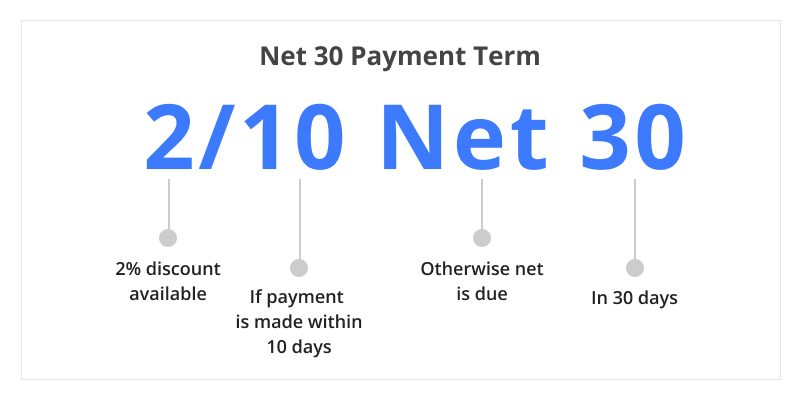
If you’re a business owner looking to boost your cash flow and manage invoices more effectively, getting familiar with Net 30 credit terms could be a game-changer. So, what exactly are these terms all about? Simply put, Net 30 means that the payment for goods or services is due 30 days after the invoice date. It’s a convenient way to extend your cash cycle and keep operations running smoothly. Businesses of all sizes can benefit from this flexibility, whether you’re a startup or an established company. Plus, it’s a stepping stone towards building a solid business credit profile.
Qualifying for Net 30 Credit
Are you ready to unlock a world of opportunities with Net 30 credit terms for your business? Qualifying for these advantageous payment terms can help you manage cash flow, streamline operations, and even give your business a competitive edge. Let’s dive into how you can qualify for Net 30 credit and the essential steps to get there.
Essential Criteria for Approval
First things first, you need to know what criteria vendors and suppliers are looking for when approving Net 30 credit terms. Here are some key factors that they consider:
– Business Legitimacy: Ensure your business is registered and compliant with local, state, and federal regulations. Having a legitimate business structure—a corporation, LLC, or sole proprietorship—is critical.
– Time in Business: Generally, businesses that have been operating for at least six months to a year are viewed more favorably by vendors. This timeframe demonstrates both stability and reliability.
– Business Credit Score: Just like personal credit scores, your business’s credit score is a vital indicator of financial health. Lenders use it to evaluate how likely you are to meet payment obligations.
– Payment History: Consistently paying on time or early is a huge plus. Vendors will often look at your payment history with other suppliers as part of their assessment.
– Industry Type: Certain industries are considered riskier than others. The nature of your business and its financial consistency can influence a credit application decision.
Building Business Credit History
One of the cornerstones of qualifying for Net 30 terms is having a solid business credit history. Building this can take a bit of time and effort, but it’s absolutely worth it. Here’s how you can start:
– Separate Personal and Business Accounts: Ensure that you have separate business bank accounts and credit cards. This delineation prevents any crossover of personal financial activity and helps establish a business credit profile.
– Start Small: Begin by applying for Net 30 accounts with suppliers or vendors who report to business credit bureaus. Timely payments will help build a reputable credit history.
– Get a D-U-N-S Number: The Data Universal Numbering System (D-U-N-S) number from Dun & Bradstreet is a unique identifier that helps establish your business’s credit file.
– Monitor Credit Reports: Regularly check your business credit reports from credit agencies like Dun & Bradstreet, Experian, and Equifax. Correct any inaccuracies that could affect your creditworthiness.
Importance of Financial Statements
Financial statements are powerful tools that tell the story of your business’s health and reliability. They play a crucial role in securing Net 30 credit terms:
– Balance Sheet: This statement reveals your business’s assets, liabilities, and equity at a specific point in time. A strong balance sheet shows lenders you can cover your debts and expenses.
– Income Statement: Demonstrating consistent revenue generation and expense management portrays a healthy financial picture. It shows lenders the profitability and performance of your business over time.
– Cash Flow Statement: Highlighting how money flows in and out of your business is key. A robust cash flow statement reassures vendors that you have the liquidity to meet financial obligations.
These statements not only help in the application for credit terms but also give you better insight into your business’s financial standing.
The Application Process for Net 30 Credit
When you’re ready to apply for Net 30 credit, understanding the process will help you sail through it smoothly. Let’s explore the application journey from start to finish.
Gathering Necessary Documentation
Preparation is crucial when applying for Net 30 credit terms. Having all your documents in order can make the application process straightforward:
– Business Information: Provide up-to-date details of your business, such as your Employer Identification Number (EIN), contact information, and business type.
– Financial Statements: As mentioned earlier, be prepared to share your balance sheet, income statement, and cash flow statement.
– Trade References: Having a list of current suppliers with whom you have strong payment histories can strengthen your application.
– Bank References: A letter from your bank that speaks to your account history and financial reliability may be requested by some vendors.
Understanding Credit Applications
Once you have your documentation ready, it’s time to understand what a credit application entails:
– Application Form: Most vendors will ask you to fill out a credit application form. This form gathers essential information about your business and its financial standing.
– Terms and Conditions: Carefully read through any terms and conditions associated with the Net 30 account. Ensure you understand the payment terms, limits, and any penalties for late payments.
– Personal Guarantee: Some vendors might ask for a personal guarantee, especially for newer businesses. This guarantees payment of debts if the business cannot fulfill its obligations.
Vendor Evaluation and Approval Process
After submitting your credit application, it’s time for the vendor to evaluate and make a decision. Here’s what typically happens:
– Credit Check: Vendors usually perform a credit check as a part of their due diligence process. They may reach out to credit bureaus to assess your business’s credit profile.
– Review of Financial Health: Your financial statements and any other documents submitted will be reviewed to gauge the overall financial health and stability of your business.
– Risk Assessment: Vendors conduct a risk assessment based on the information provided. They’ll determine what credit limit and terms they are comfortable offering.
– Approval and Setup: If approved, the vendor will notify you of the credit limit and conditions of your Net 30 account. Once you agree, you can start utilizing your new payment terms.
– Rejection and Feedback: If your application is rejected, don’t be disheartened. Ask the vendor for feedback on the decision and work on strengthening those areas for future applications.
Securing Net 30 credit terms can open doors for your business, allowing you to invest, grow, and succeed in ways that might previously have been challenging. By understanding the qualifying criteria, diligently preparing your application, and staying informed, you can position your business as a viable candidate for these invaluable credit terms. Stay focused, and watch your business flourish!
Strategies to Strengthen Creditworthiness
When it comes to qualifying for net 30 credit terms, boosting your business’s creditworthiness is essential. A solid credit profile not only opens doors to more favorable terms but also sets the stage for long-term financial health. Here are some effective strategies to enhance your business creditworthiness:
Paying Invoices Promptly
One of the most straightforward yet powerful ways to show creditworthiness is by paying your invoices on time. Consistency in this area demonstrates reliability and financial responsibility to potential vendors and creditors. You might consider:
– Setting up a streamlined invoicing system to avoid missing payments.
– Utilizing accounting software that sends automatic reminders for upcoming due dates.
– Testing out payment schedules where you pay earlier than required, potentially qualifying for early payment discounts.
Prompt payments not only maintain a positive relationship with suppliers but also boost your credibility when applying for additional credit lines in the future.
Establishing Diverse Trade References
Trade references are like glowing reviews for your credit application. They reflect your payment history with suppliers and vendors, so having a diverse set of references can strengthen your application. Here’s how you can diversify:
– Choose suppliers from different industries to show varied business relationships.
– Include both long-term partners and newer suppliers as references to highlight consistency and recent reliability.
– Consider requesting references from suppliers where you’ve managed to negotiate terms effectively, demonstrating your savvy business acumen.
Make sure you maintain good relations with these suppliers, as their testimonials can carry substantial weight in your credit evaluation process.
Monitoring and Improving Credit Scores
Keeping an eye on your business credit score can provide insight into areas needing improvement. Just like personal credit scores, business scores reflect your credit behavior, influencing lender decisions. Here’s how to take charge of your credit score:
– Regularly check your business credit reports from major bureaus like Dun & Bradstreet, Experian, and Equifax to spot any discrepancies or outdated information.
– Dispute inaccuracies immediately to maintain an accurate reflection of your credit history.
– Aim to reduce outstanding debts and manage your credit utilization ratio – a healthy balance can boost your score significantly.
Consider creating a roadmap that outlines specific financial goals and milestones, helping you systematically improve your business credit score over time.
In conclusion, strengthening your creditworthiness is a continual process that pays dividends when applying for net 30 credit terms. By consistently paying invoices on time, establishing diverse trade references, and monitoring your credit scores, you lay a solid groundwork that speaks volumes to potential creditors. These strategies not only increase your chances for credit approval but also elevate your business’s financial reputation—an invaluable asset for future growth opportunities.
Conclusion
Qualifying for net 30 credit terms can be a game-changer for your business, offering greater flexibility and the chance to manage cash flow more effectively. By understanding the process and taking the right steps, such as maintaining a good credit history, organizing financial documents, and building strong relationships with suppliers, you can increase your chances of approval. Remember, being proactive and diligent in your efforts will pay off. Embrace this opportunity, and watch your business soar to new heights!
Building business credit? Open a Net 30 Account — EIN only, no personal guarantee, $60 minimum order, credit lines up to $5,500, a decision in one business day, and every on-time payment reported monthly to Equifax Business, Creditsafe and FairFigure.
Frequently Asked Questions
How do I qualify for net 30 credit terms?
Most suppliers that offer net 30 terms qualify a business on its own credit profile, not the owner’s personal credit, and usually ask for basic details like your EIN, business name and address, and how the account will be used. With The CEO Creative, applications are assessed on your business EIN with no personal guarantee and no personal credit check, and you get a decision within one business day. Approval opens all nine product categories at once: apparel, drinkware, office supplies, tech, accessories, paper and print, promotional products, home and workspace, and marketing and web services.
How do I apply for a net 30 account?
You apply directly with the supplier offering the terms, typically by submitting a short application with your business name, EIN, and billing details. The supplier reviews that information and returns a decision, and once approved you can place orders and pay within the 30-day term instead of paying upfront. Requirements and paperwork vary from one supplier to the next, so it helps to ask exactly what they need before you apply.
What do suppliers check on a net 30 application?
Suppliers typically check basic business identifiers such as your EIN, legal business name, and time in operation, along with how you intend to use the account. Many also look at trade references or existing business credit history, since net 30 terms are usually extended based on the business’s own profile rather than the owner’s personal credit. What gets reviewed can vary by supplier and industry, so it’s worth asking directly which factors matter for a given application.
How can I improve my chances of approval?
Applying with accurate, consistent business information, an EIN rather than a personal SSN, and a working business address and phone number tends to make an application easier to process. Having some trade history or existing vendor references can also help, since it gives a supplier something to check the business against. Keeping your order size reasonable for a new account and asking the supplier in writing which bureaus it reports to are both useful steps before you apply.