

Hello, aspiring business mavens of 2026! If you’re gearing up to launch your startup and wondering how to build a solid financial foundation, you’re in the right place. One of the stepping stones to business success is solid credit, and net 30 terms can be your secret weapon. Building your business credit early on can help you secure better financing options, entice suppliers, and attract investors. In this guide, we’ll explore how net 30 terms work and how they can boost your business credit. Whether you’re drafting your business plan or already knee-deep in your operations, understanding these terms will be crucial for your journey to success.
Evaluating Your Business Credit Readiness
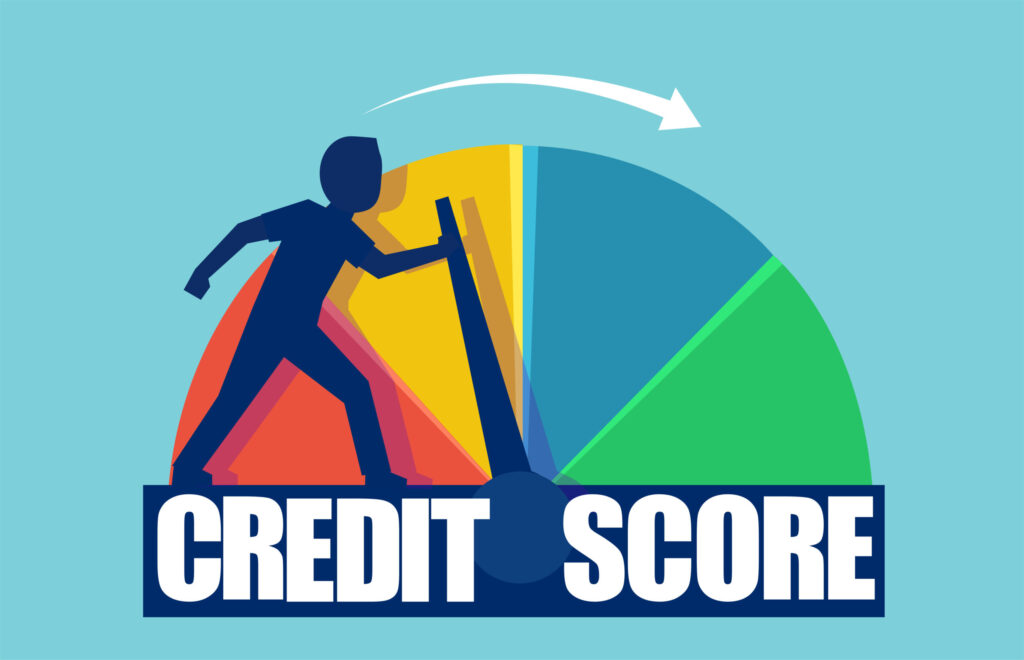
Before diving into the world of business credit, especially with net 30 terms, it’s essential to evaluate your readiness. Just as architects must ensure a solid foundation for any skyscraper, entrepreneurs must ensure their financial infrastructure is robust. Let’s take a closer look.
Assessing Your Current Credit Status
Understanding your starting point is critical. Begin by checking your business credit reports from major bureaus like Experian, Equifax, and Dun & Bradstreet. These reports will give you a snapshot of where your business stands in terms of creditworthiness.
– Review Your Scores: Just like personal credit scores, business scores can range dramatically. Knowing your score will help you set realistic goals.
– Identify Any Errors: Errors on your credit report can harm your score. Look out for inaccuracies and dispute them promptly.
– Analyze Your Credit Utilization: Are you over-leveraged? High credit utilization can be a red flag to creditors.
Steps to Build Your Business Credit File
Building your business credit file doesn’t happen overnight; it develops one payment cycle at a time. Here are some strategic steps to guide you:
– Pay Bills on Time: Timely payments are one of the easiest ways to add to your business payment history. Consider setting up automatic payments to avoid late slips.
– Diversify Your Credit Profile: Having a mix of credit lines adds variety to your credit profile. Think about opening a small credit line or seeking supplier credit.
– Reduce Outstanding Debt: Pay down any outstanding debts to improve your credit utilization ratio.
– Increase Credit Limits: Sometimes, simply asking for a higher credit limit can reduce your credit utilization.
Importance of Monitoring Your Credit Regularly
Staying on top of your credit status means monitoring it regularly. This not only helps in maintaining a good score but also in catching potential issues before they become significant problems.
– Set Monthly or Quarterly Alerts: Many credit bureaus offer alert systems for changes in your credit report.
– Look for Odd Activity: Regular monitoring helps you notice any unauthorized activities or errors.
– Stay Updated with Scores: Frequent checks ensure you are always aware of your current credit standing, allowing you to make informed financial decisions.
Choosing the Right Vendors for Net 30 Terms
Gaining net 30 terms can be a game-changer for your business by improving cash flow and building credit. However, not all vendors are created equal. Here’s how to choose wisely and form beneficial relationships.
Identifying Reliable Vendors and Suppliers
Finding the right vendor is akin to finding the perfect business partner—integrity and reliability are key.
– Research Their Reputation: Check out reviews and ratings. Reliable vendors often have a trail of satisfied customers.
– Financial Stability: Choose vendors who demonstrate stability, ensuring they aren’t likely to go out of business suddenly.
– Industry Experience: Vendors with a rich history in the industry often have proven systems and processes in place.
Building Strong Relationships with Vendors
Once you’ve identified potential vendors, building a strong relationship is crucial for harnessing favorable terms.
– Communicate Openly: Keep channels of communication clear and open to avoid misunderstandings.
– Show Loyalty: Consistent business and prompt payments can nurture trust and improve the benefits you receive.
– Provide Feedback: Constructive feedback helps vendors improve their services and shows you value the relationship.
Negotiating Favorable Payment Terms
Negotiating net 30 terms requires a strategic approach and a bit of finesse.
– Understand Their Needs: Try to understand your vendor’s pain points and how a net 30 agreement can align with their business objectives.
– Prove Your Worth: Demonstrate your creditworthiness and history of reliable payments to encourage favorable terms.
– Explore Longer Terms: While net 30 is beneficial, aim for flexibility to negotiate longer terms as your relationship strengthens.
Highlight on The CEO Creative
One standout vendor to consider is The CEO Creative. They are renowned for being supportive of small businesses by offering net 30 terms to help startups build their credit profiles.
– Wide Product Range: From marketing materials to office supplies, The CEO Creative has a comprehensive selection to meet business needs.
– Excellent Customer Support: They are known for their outstanding customer service, ensuring client satisfaction at every interaction.
– Customizable Terms: The CEO Creative often provides tailored solutions to better suit the unique needs of each business, making them a versatile ally in your startup journey.
By being strategic about evaluating your credit readiness and choosing the right vendors, you’re setting your startup on a path toward solid financial health and longevity. With this startup blueprint in hand, you’ll be well-equipped to build business credit with net 30 terms and watch your business flourish in 2026 and beyond.

Managing Payments Efficiently
Running a startup is no small feat, and managing payments is a crucial part of keeping your enterprise on solid ground. When you know how to manage your payments efficiently, you’re not just keeping the lights on—you’re enhancing your business credit profile. Let’s explore some strategies to ensure smooth sailing on this front.
Setting up Effective Payment Schedules
Establishing a reliable payment schedule is like setting your business on autopilot. You might wonder, what’s the best way to go about this? Start by assessing the payment terms offered by your suppliers. Knowing when your invoices are due allows you to plan your cash flow and avoid any last-minute scrambles.
– Create a Calendar: Use a digital calendar dedicated solely to tracking your financial commitments. This way, you can get a clear picture of what payments are coming up and prepare in advance.
– Automate Reminders: Set up automated reminders a week before the due dates. Whether it’s an email alert or a notification on your phone, these gentle nudges help keep you on track.
– Prioritize Payments: Identify which payments are crucial to maintaining relationships. Prioritize payments to important suppliers who contribute significantly to your business operations or offer essential services.
These proactive steps ensure you maintain a healthy cash flow and keep up with your financial obligations without a hitch.
Utilizing Technology for Payment Tracking
In the digital age, managing your finances manually is like using a flip phone in a world of smartphones. Embrace technology to track payments efficiently and free up your time for more strategic growth initiatives.
– Employ Budgeting Software: Use financial software like QuickBooks or FreshBooks to consolidate all your invoices and payments. These platforms help you monitor your expenses, remind you of due dates, and even flag suspicious activities.
– Leverage Payment Apps: Payment apps such as PayPal, Stripe, or Square offer real-time tracking and instant notifications. They let you see the status of your payments immediately and offer insights into your spending habits.
– Integrate Systems: If you use accounting software, integrate it with your banking platform for seamless transaction tracking. This helps streamline your processes, minimizes errors, and provides a holistic view of your financial health.
By leveraging these technological tools, you can enhance accuracy, reduce human errors, and make informed decisions quickly.
Strategies for Maintaining Prompt Payments
Prompt payments are the cornerstone of solid business credit and stellar supplier relationships. Maintaining a track record of timely payments not only builds your business credit file but also opens doors to better terms and potential discounts.
– Build a Payment Buffer: Allocate funds in advance for upcoming payments. Setting aside a small percentage of your revenue can help cover payments even if short-term cash flow issues arise.
– Communicate Proactively: If a payment is going to be delayed, notify your suppliers as early as possible. Most suppliers appreciate transparency and may extend terms if they know you’re making an effort to pay.
– Review Payment Policies Regularly: As your business grows, revisit your payment policies. Ensure that your procedures align with your financial goals and meet your creditors’ expectations.
– Foster Supplier Relationships: Engaging regularly with suppliers builds trust and could offer you flexibility in payment terms if necessary. Consider periodic check-ins or casual meetings to strengthen these connections.
Sticking to these strategies ensures that you not only meet but exceed payment expectations—reinforcing your startup with robust business credit in no time.
Conclusion
In 2026, mastering the art of managing payments efficiently is essential for any startup aiming to thrive and grow. By setting up effective payment schedules, leveraging modern technology, and maintaining prompt payments, you can craft a solid foundation for your business credit and overall financial health. Remember, a well-managed payment system does more than just keep the debts at bay; it propels your business towards prosperous relationships and sustainable growth. So, embrace these strategies today and watch your startup blossom into a creditworthy enterprise that’s ready for anything the future holds.
Call to Action

Alright, future business moguls, it’s time to put this blueprint into action! Building business credit with net 30 terms in 2026 can be your key to unlocking business growth and success. Ready to get started? Here’s what you can do:
– Review Your Credit Needs: Take a good look at your financial situation and figure out what kind of credit will best support your startup’s goals.
– Research Vendors: Seek out vendors offering net 30 terms that align with your business type and start building those crucial vendor relationships.
– Start Small: Begin by making small purchases and paying them off on time to boost your creditworthiness gradually.
– Monitor Your Progress: Keep an eye on your credit reports to track your growth and make adjustments as needed.
Remember, the journey to strong business credit is a marathon, not a sprint. So take it step by step, and watch your business flourish!
Building business credit? Net 30 Paper & Print Supplier — EIN only, no personal guarantee, $60 minimum order, credit lines up to $5,500, a decision in one business day, and every on-time payment reported monthly to Equifax Business, Creditsafe and FairFigure.
Frequently Asked Questions
How does business credit work?
Business credit works through tradelines. A lender or supplier extends payment terms, the business pays as agreed, and that payment activity gets reported to a business credit bureau, which compiles it into a score or rating tied to the company’s EIN rather than the owner’s personal credit. Different bureaus can show different numbers for the same business depending on which accounts report to them, so a strong file usually means several accounts reporting consistent on-time payments, not just one.
What are the steps to build business credit from scratch?
Building business credit from scratch starts with the basics: form the business as a legal entity, get an EIN from the IRS, and open a dedicated business bank account so its finances are separate from your personal ones. From there, open a small number of accounts that extend payment terms and report to business bureaus, then pay every invoice on time or early, since payment history is what actually populates the file. Checking your business credit reports periodically helps confirm the accounts are reporting the way you expect.
How long does it take to build business credit?
There is no fixed timeline. It depends on how many accounts report, how often they report, and how consistently the business pays them, so two businesses opening the same accounts on the same day can end up with very different files a year later. Bureaus generally update monthly, so a file needs a few reporting cycles before it reflects much history. Opening a couple of reporting accounts early and paying them on time is what moves this along fastest.
What is the first account a new business should open?
The first account most new businesses open is a business bank account, since almost every supplier and lender wants to see one before extending terms. After that, a net-30 vendor account, where a supplier bills the business and gives 30 days from the invoice date to pay, tends to be easier to qualify for than a bank loan or credit card, and these accounts are typically what get reported to business bureaus. The CEO Creative, for example, assesses applications using the business EIN, with no personal guarantee or personal credit check, and reports payment activity monthly to Equifax Business, Creditsafe, and FairFigure.
Building a file starts with one reporting account. A net 30 business account is assessed on your EIN, with no personal guarantee, and reports monthly to Equifax Business, Creditsafe and FairFigure.