
Hello, small business owners! Are you thinking about how to step your business up? Before taking to the next level in terms of scaling, I want to suggest one thing most owners forget to do which will lead to the foundation of your long-term success—building your business credit. Although this may not seem as fun as launching that new product or even opening your second location, building solid business credit is what you should focus on now to better advance into your scalable business growth strategies. Don’t just move on from this, grab your favorite cup of coffee and let’s dive in!
What Is Business Credit and Why It Matters
Business credit is similar to your personal credit score, except it’s for your business. It is an indicator of your business’s financial health and creditworthiness. This score provides potential lenders, suppliers, and investors insights into how reliably your business will pay its debts. If your business credit score is strong, you can likely negotiate lower interest rates on loans, more favorable terms from suppliers, and a stronger cash flow – all key components of small businesses ready to grow.
5 C’s of Credit
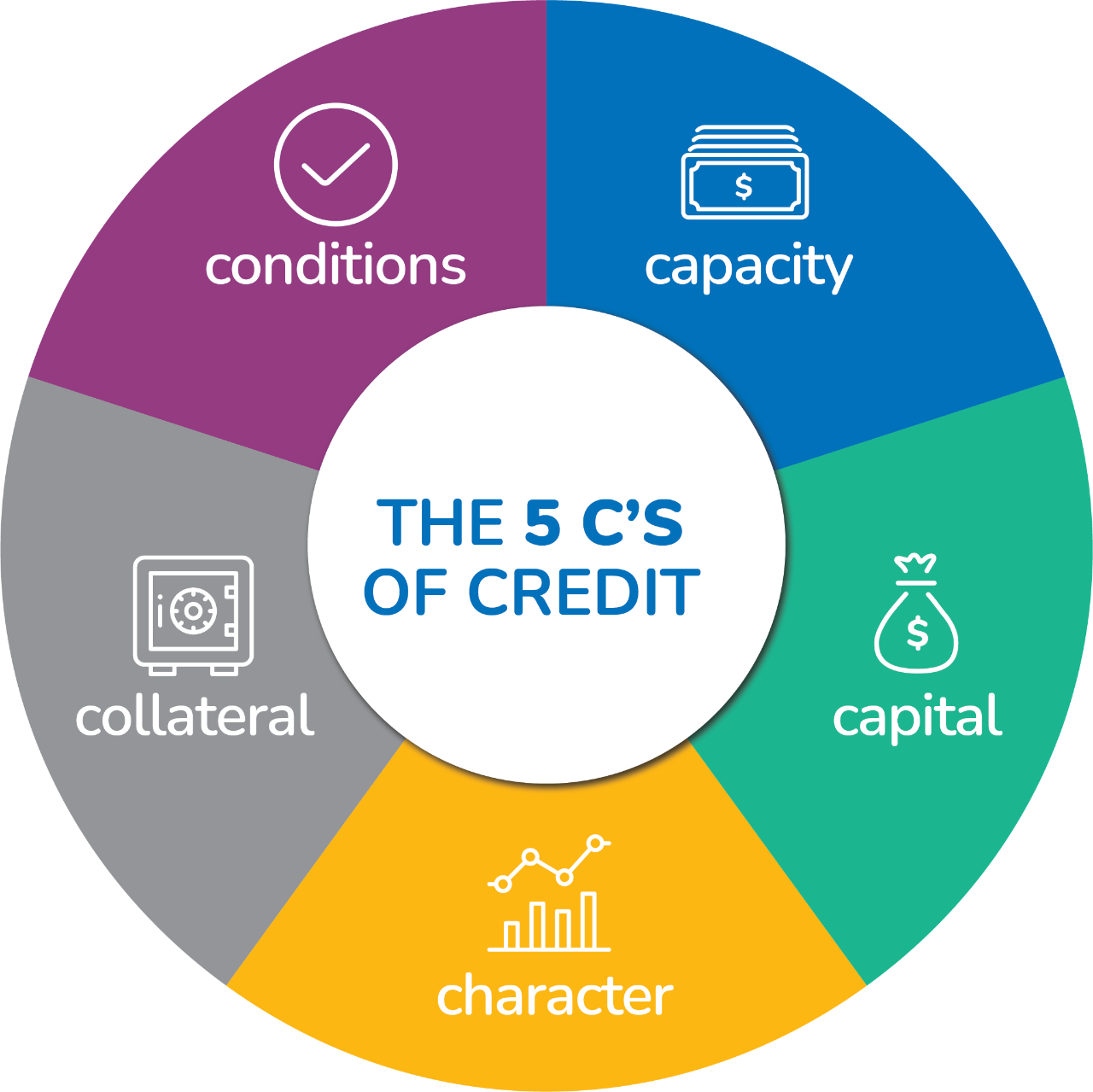
Knowledge of the 5 C’s of credit is crucial for obtaining and maintaining great business credit.
– Character: This is your business’s reputation in the financial world. Lenders often utilize information from credit reports, as well as customer reviews, and trade references, to determine if your business is trustworthy and reliable.
– Capacity: This is the ability of your business to pay back the loan and it is measured by cash flow and existing debt. A solid history of on-time payments creates more appeal as a borrower in the eyes of lenders.
– Capital: Lenders consider how much of your own money you have invested in the business. The more capital that you have in the business, the lower of a risk lenders see, thus improving your chances of qualifying for the loan.
– Conditions: This refers to the economic condition or industry conditions that might have an impact on your ability to pay back. If your business plan is good enough and the economic conditions are stable, your business seems less risky.
– Collateral: Some loans require collateral, which refers to the asset backing the loan. This is some sort of security for you the lender should your business run into trouble.
How Business Credit Differs from Personal Credit
In contrast to credit for individuals relating to one’s financial behaviors, loan repayment history and credit report of your business is about your business financial behaviors. Your business credit score can be from 0 to 100 or similar grade range as opposed to the common personal credit score range of 300 to 850. In addition, business credit is separate from your personal credit and more importantly business credit impacts your business’ ability to grow and take opportunities such as favorable supplier credit terms, whereas personal credit affects personal loan and credit cards. Keeping business and personal credit separate makes paramount sense and helps protect your personal financial interests of not being directly impacted by financial losses and/or setbacks that may occur in the business.
The Role of Credit in Business Growth
Having strong business credit is fundamental to developing a business that will grow scalable and sustainably. Having good business credit enables you to get funding for expansion without impacting cash flow or getting stuck with terrible, high-interest loans. Whether it is to buy more inventory, hire new people, or embark on a new market, many times your ability to access good credit terms dictate the speed and ease with which small businesses can scale operations. If small businesses can build credit early on, they are setting themselves up for smoother, easier growth and the opportunity to take advantage of opportunities without the fear of financial financial limits. Think of it as creating a good foundation and then building up—credit building allows you the stability to get your business to a higher level.
Why Building Credit Should Come Before Scaling
When you are a small business owner, it seems every move you make is part of your long-term success,
especially when you think about growth. Before you can scale your small business, you first want to make sure you have some good credit in place, but why is this so important?
First of all, good business credit can lead to the financial opportunities you want. It affects your ability to obtain a loan, obtain investors, or even get new partners. Remember, if you are going to scale your business, you are eventually going to need money. When you have a good credit history, its likely you will have lower interest rates, thus saving you money.
Second, strong credit shows trustworthiness. A prospective partner, supplier, or even a client, sees good credit scores as a trusted asset to reliability and your continued health, before she thinks about investing some of her resources into your business.
Third, good credit provides flexibility. During the growth of your business, you can have unexpected expenses. If you have credit available, you will not be boxing yourself in from supporting your plan if and when those expenses pop up. You have to think of credit as a cushion, that way you have something to lean on and catch you when you need it.
Ultimately, focusing on establishing your credit prior to scaling provides stability.
Stats That Explain Why Business Credit
Data can provide a compelling narrative. Let’s look at some numbers to illustrate the importance of business credit:
– According to a recent survey, 65% of small business owners have felt their personal credit score directly affects their ability to seek funding for their business. Why intertwine personal finances and business credit, when business credit has the potential to create new or additional opportunities?
– The survey also highlighted that 82% of small businesses failed specifically due to cash flow issues. Building credit can help fill those financial gaps with inexpensive loans or lines of credit.
– Credit availability is paramount in business growth: 68% of business owners questioned said the ability to access credit was a key focus of their business growth plans.
These are only some of the statistics that illustrate why it is important, even essential, to understand and build business credit if you want to grow your business. Credit can serve as a means of growth for a business, when used effectively, and considers its important place in an organization’s financial wellness.
Steps to Build and Strengthen Business Credit
To establish good business credit takes commitment and the good news is it’s not as difficult as you may think. Here are some easy steps to begin with:
1. Set up your business entity. The first step on your traffic to a good business credit profile is legally establishing your business as an LLC or corporation. This is important as it separates your personal finances and business finances and is a fundamental step to develop credit.
2. Obtain an Employer Identification Number (EIN). An EIN works like a social security number for your business. An EIN helps you file taxes, open up a business bank account and can apply for loans or lines of credit.
3. Open a business bank account. It is very important for you to separate your business transactions from your personal transactions. A business bank account legitimizes your business and is going to be a requirement for many next steps along your journey.
4. Apply for a business credit card. After you have an EIN and a business bank account, you can move on to applying for a business credit card. You now want to put a few small purchases on your card and pay the balance all at once each month. This establishes a foundation for good credit history.
5. Set up vendor trade lines. Do business with vendors that report your payments to the credit bureaus. This gives you a credit profile. When negotiating with vendors, negotiate purchase terms that allow you to take the product now, but pay them later.
Benefits of Strong Business Credit Before Scaling
Before you plunge into expanding your small business, think of all the benefits strong business credit provides:
– Better Loan Options: Having strong credit makes it easier to obtain loans with more favorable terms. This is a critical benefit when scaling your small business as you may require more cash to expand.
– Lower Interest Rates: Positive credit can help provide you with more loans (and better loans), with lower interest rates, leading to less long-term financial stress on your business and more available funds for other opportunities to expand your business.
– Better Vendor Relations & Terms: Vendors may allow you to pay your bills further out, which ultimately can help you manage constricted cash flow (which is often tight when trying to scale your small business).
– Increased Buying Power: Good credit allows your business to purchase a necessary asset or inventory at a reasonable price, which often is necessary when you are scaling.
– Risk Management: Building a solid credit foundation, in general, will provide your business with a ‘financial backstop.’ This is vital to your operation due to the inherent and unpredictable challenges and opportunities that need cash at rapid speed.
If small businesses can prioritize these important steps to establish credit, not only will they improve their financial position, but they will ultimately create a more viable opportunity to grow, scale, and sustain future value.
Common Mistakes to Avoid When Building Credit
When it comes to building credit, small business owners often stumble into common traps that can slow down their growth. It’s crucial to steer clear of these pitfalls to ensure a healthy credit profile.
30 Percent Rule for Credit
One of the most common miscalculations is misunderstanding the 30 percent rule for using credit. This rule states that you want to be at or below 30 percent of your total credit limit. The reason is that your credit utilization is a big part of your credit score, and being at or over 30 percent will make you look overused and lower your score. Here are some things you can do to follow the 30 percent rule:
– Track regularly: Make a habit to track your credit card balances. Check regularly to see that they do not exceed 30 percent.
– Raise limits: You may want to ask for a limit increase. You are able to spend more, but must maintain controlled spending.
– Pay off early: If you can, pay off your balance before the statement cutoff. This helps stay under 30 percent and you will pay less in interest.
Long-Term Credit Management Strategies
Establishing steady credit for the long haul is more than just information. It is implementing ideas that create a strong credit routine over time.
– Be Steady: Steadiness is important. Always make all of your loan and credit card payments on time. Late charges will affect your credit scores adversely and take time to recover from.
– Have Different Types of Credit: Include loans that have a set payment schedule with your credit that includes loans that can “revolve” into new charges. Lenders like a variety of credit because this shows that you can use different types of credit in a responsible way.
– Keep an Eye on Credit Report: Review your credit reports to catch mistakes or unauthorized charges. Fixing mistakes can prevent unpleasant surprises with new credit.
– Creating Good Reputations With Vendor Accounts: Your vendor accounts with a good reputation and good payment record may get reported to credit agencies. Even if most do not rely on these accounts, it may add weight to your credit report.
Focusing on these efforts will allow small businesses to build a good foundation, paving the way for successful business growth when it is possible. Remember, to build you credit takes a good amount of time; do not rush. When you invest in and manage credit, you can secure a very successful and stable future.
Conclusion
For small businesses, the path to scaling sustainably and successfully is outlined with strategic planning and grounded from the get-go, which includes giving attention to building credit. Building business credit is more than just a task to complete. Good credit is a wonderful tool to release you into a world of possibilities. Whether you want to negotiate financing terms in your favor, build credibility with your suppliers, or relieve the stress from cash shortfalls, good credit will be your silent partner in the process.
You can consider building credit the same as building the foundation of a skyscraper. Without a solid base, the tower will be difficult to build, even if the growth does not unbalance everything. By building credit early on, small business (SB) owners are preparing the stage for sustainable growth and developing resilience. A small business owner should remember that before growing your business, they need to establish this knowledge of business health. Your future self will thank you!
FAQs
How does strong credit help secure funding for expansion?
Good credit allows for a variety of financial possibilities for small businesses. Having a good credit score allows lenders to see you as a trustworthy borrower. This trust can lead to better loan conditions, lower interest rates, and higher borrowing limits. Essentially, with good credit, you can get the money needed to grow your business not far from the bank.
Can poor credit limit a company’s ability to grow?
Indeed, bad credit could hold back a business’ growth potential. Lower credit could restrict businesses from getting loans or lines of credit needed to finance new endeavors or grow the business. Even if they were able to get a loan, the terms would generally be rather unfavorable, meaning higher interest rates and tougher repayment terms. This could lead to cash flow issues for your business, which does not allow for growth investments.
What are the benefits of using Net 30 accounts for credit building?
Net 30 accounts are a great tool for leveraging your business credit. Here’s how they work:
– Payment Terms: It provides you 30 days to pay for goods or services, which is useful for cash flow.
– Credit Reporting: Many vendors will report payments to the business credit bureaus, which allows you to create business credit.
– Relationships: Making regular on time payments helps you develop a relationship with your supplier, and in the future may offer discounts or extended terms.
How long does it take to build strong business credit?
Establishing good business credit does not happen overnight. It takes time and consistent action. On average, it takes 6 months to a couple years to build a solid business credit history. The best way to build is through consistent responsible credit activities, like paying your bills on time and maintaining a low credit utilization ratio. In this case, it is best to trust the process and to stay the course!
What is the 2 2 2 credit rule?
The 2 2 2 credit rule is a simple guide for keeping a good credit balance. It goes like this:
2 Credit Cards: If possible, have at least two active credit accounts.
2-Year History: Try to have a credit history that goes at least two years back.
Keep Your Utilization Low: Try to keep your credit card utilization to below 20% of your total available credit.
Following this rule can help establish a good credit profile.
What is a good strategy if you want to improve your credit score?
To raise your credit score, it is a simple matter of making smart financial decisions. Here are some things you can do:
1.) Pay your bills on time. This will help demonstrate that you can be reliable.
2.) Work to pay down existing debt and reduce your credit utilization ratio.
3.) Check your report frequently and report errors or discrepancies.
4.) Have some diversity and have more than one type of credit, such as installment loans and revolving credit. This will demonstrate better financial practices.
What is SWOT analysis in business?
SWOT analysis is a strategic planning tool that is utilized to identify and evaluate the Strengths, Weaknesses, Opportunities, and Threats related to business competition or project planning. This helps a business be aware of the internal and external factors that can help or hinder its performance when making decisions. Here is the breakdown:
– Strengths: Internal characteristics that are helpful to your business.
– Weaknesses: Internal characteristics that are not helpful to your business.
– Opportunities: External elements that your business could leverage to its advantage.
– Threats: External elements that could be problematic to your business.
Does 0 utilization hurt credit score?
You may think that having a zero percent utilization rate is a good thing, but it may not be as good as is sounds. Credit scoring models like to see activity on credit accounts. A small utilization percentage like 1-10% shows that you are responsibly using credit which could help facilitate a good score. Continuing to have a zero balance might not indicate active use of credit, which could potentially keep your score lower. Balance is the key!