
Starting a new business or working to grow a small business is like a roller coaster ride. Is it exciting? Certainly! Is it scary? Of course! One of the largest hills to climb is how you are going to fund your dream. Regardless of whether you are developing the next big app, or starting a small café, you will need to collect dollar bills at some point. In this guide, we are going to go on a treasure hunt to find ten creative ways you can fund your small business adventure.
Why Financing Matters for Small Businesses
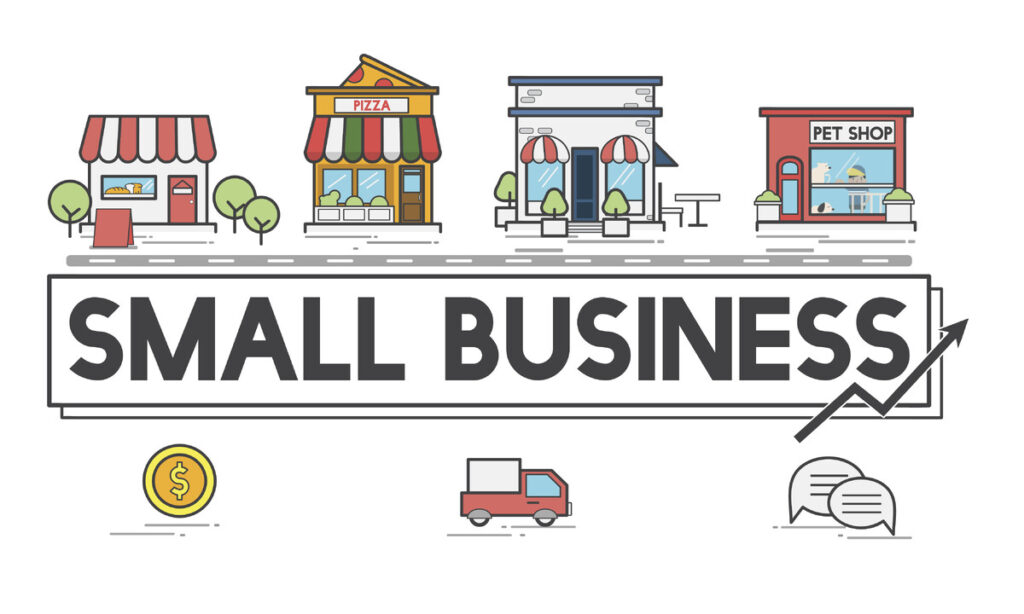
Launching a small business is like planting a tree. You need time, commitment, and the right resources to make it flourish. Financing is like the water needed to sustain that business tree. Without it, your business may struggle to flourish and might find it even more challenging to survive. This is why it’s important!
– Offers Stability: With financing, a small business can support their operations and shouldn’t be worried about cash flow challenges if supplies, utilities, rent, and payroll all need assistance.
– Fuels Growth: Do you want to grow your product range or break into a new market? Financing is a great way to turn those ideas into action. Financing is like the engine that drives new ideas, projects and innovations.
– Establishes legitimacy: When your business has financial backing, whether from investors or loans, you enhance your business profile and put suppliers, customers and even competitors on notice that you’re here to stay!
– Provides a cushion: Life is unpredictable and business comes with risk too! Having a large financial cushion can help a small business absorb shocks during challenging times and help your business withstand the unexpected- like repairs, slow months, or unpleasant surprises.
Why Startups Run Out of Money Too Soon
There are countless startups that begin with grand plans to change the world and run right into a financial brick wall sooner than expected. Here are a few reasons why this might happen:
1. OverEstimating Revenue: Startups, out of excitement, often project revenue much higher than reality allows for. When sales orders don’t make that 1K projection realistic, the cash thrums to a halt even sooner than expected.
2. UnderEstimating Expense: Little did you know that little expense had big costs, and it pops up at the most inconvenient time. Whether it’s paying for incremental legal fees or undisclosed marketing expenses, startups would ay anything to be spending all those little expenses.
3. Scaling too Fast: While it is exciting to be growing, it is also tiring when revenue can’t support the burn that happens during rapid growth. Scaling too fast means you are likely spending money faster than you can make it.
4. Not Getting Initial Funding: There are plenty of startup financing options consumed; the hope of being able to secure funding later is not a wrong approach to starting your company. If you have no money as a startup, then all you have is a turn-key enterprise, and you can’t reach that first milestone with turns of leverage to lock in investors.
Going forward, It is important that startups have a thoughtful financial implementation strategy, and to anticipate what could go wrong as opposed to going right. The knowledge to consider what the thinking is not only the difference between a startup that gets snuffed out on go and a startup that thrives.
10 Ways to Finance Your Startup or Small Business
Bootstrapping (Self-Funding)
Bootstrapping means to rely on you own savings or personal money to start your business. This gives you total control of your business and is a great way to transition from a dream to reality without accruing any debt. You do have to be on a tight budget and strict discipline in making the most out of your expenditures.
Friends and Family
Borrowing from friends and family is another common way to obtain funds. This option often comes with flexible terms and low or no interest. Yet, it’s crucial to communicate clearly about expectations to avoid straining personal relationships.
Small Business Loans
Banks and credit unions provide small business loans which can be a reliable funding source if you have a solid credit history and a detailed business plan. Government-backed loans, like those from the Small Business Administration (SBA), can offer more favorable terms.
Angel Investors
Angel investors are individuals who provide capital in exchange for equity or convertible debt. They often bring valuable industry experience and networking opportunities, but expect a return on their investment and regular business updates.
Venture Capital (VC)
Venture capital is ideal for businesses with high growth potential. VCs provide significant funding in return for equity, along with mentorship and strategic advice. This option often suits tech startups but can lead to substantial equity dilution.
Crowdfunding Platforms
Platforms like Kickstarter or Indiegogo enable you to raise small amounts of money from a large number of people. Crowdfunding not only provides funding but can also serve as a marketing tool to generate buzz and validate your product idea.
Grants and Competitions
Various organizations and governments offer grants to support startups. Similarly, business plan competitions can provide funding and valuable feedback. These options don’t require repayment but are often competitive and require a strong application.
Business Credit Cards or Lines of Credit
Using a business credit card or a line of credit can offer flexibility in covering day-to-day expenses. These options are convenient, but it’s important to monitor spending to keep interest costs manageable.
Revenue-Based Financing
This type of funding allows you to obtain capital in exchange for a percentage of your future revenue. It is ideal for businesses with steady revenues and avoids the need for equity dilution.
Partnering or Joint Ventures
By partnering with another company or entering a joint venture, you can share resources and costs while accessing new markets. This strategy requires clear agreements to ensure both parties benefit.
Common Financing Hurdles Across All Methods
Runway & Cash‑Flow Miscalculations
Misjudging your business runway or cash-flow can lead to severe financial strain. It’s essential to make accurate forecasts and regularly review your financial health to ensure you have enough funds to sustain operations.
Severely Limited Credit Access
Businesses with limited credit may find it difficult to secure loans or favorable terms. Improving credit scores and building a strong financial history can help mitigate this challenge.
Equity Dilution & Complex Deal Terms
When raising equity capital, you might face equity dilution or complex deal terms from investors. Carefully negotiating terms and consulting with financial advisors can help protect your interests.
How to Manage Risks, and Increase Financial Sustainability
New ventures can be exciting, but they come with challenges, opportunities for success, and risks. Risk management lays the foundation for long-term success and sustainability. What to do about it? Here are some points to keep in mind.
1. Diversifying your funding base is essential: Funding you source from many possible funding sources exposes you to less financial risk than getting your funding from one particular source. One hiccup in one source of funding is far less likely to wipe you out if you have a diverse funding base from loans, grants, and/or crowdfunding.
2. Develop a detailed business plan: A detailed business plan will protect you as much as possible from financial uncertainty in the future. Make sure you include financial projections, market and competitive analysis, and risk assessment, as evidence of credibility and feasibility to future investors. You will have a more comprehensive footing for navigating the business waters ahead.
3. Cash Flow Management: As you navigate through your business journey, you must constantly monitor your cash flow. Cash flow is the measurement of money going out vs the measurement of money coming in. Make sure you have more money coming in than you have going out. You should update your cash flow statement frequently so you are able to estimate when you will be short of cash.
4. Insure your business: Insuring your business may offer some level of protection against unforeseen events, like property or liability issues.
Where to Find Reliable Funding Resources
Finding reliable funding resources doesn’t have to be like searching for a needle in a haystack. There are several well-established avenues you can explore:
– Banks and Credit Unions: Traditional banks and credit unions often offer small business loans that can provide you with the capital you need. Make sure to have a strong credit history and business plan to increase your chances of approval.
– Government Grants and Loans: Check if you qualify for any government grants or loans aimed at startup. These can be a great resource as they often come with favorable terms.
– Angel Investors and Venture Capitalists: These investors can provide not only cash but also invaluable mentorship. They usually look for businesses with high growth potential and innovative solutions.
– Online Lending Platforms: With the rise of the digital age, various online platforms have emerged, offering flexible lending options tailored to small businesses. They can be a convenient alternative to traditional banks.
– Crowdfunding Campaigns: Platforms like Kickstarter or Indiegogo allow you to reach out directly to the public to fund your business idea. It’s a fantastic way to validate your product while raising funds.
By exploring and utilizing these resources, you can secure the financial backing necessary to grow and sustain your startup or small business.
Conclusion
Launching a business is undoubtedly an exhilarating venture, yet figuring out the correct financing solution can be difficult. Fortunately, there are many ways to fund your startup, all with their own positive aspects. Whether you bootstrapping your savings, are stepping into a small business loan application, or taking your pitch to investors, there will be a funding option that completely aligns with your business model and growth plan.
First, take a moment to think about what your business would need and what your financial goals would be. Are you after the big chunk of capital, or are you okay with a small amount and a steady stream of receipts? Do you want to give equity away, or are you thinking of keeping full control?
Let’s not forget about the creative and community possibilities. Crowdfunding is one option, which opens up the entire Idea process to potential customers and is also a really nice way to raise money. This can be a helpful option for the business itself as it’s kind of like free money because backing you on a contribution platform reduces their risk. In addition, applying for grants or looking for loans backed by the government can be also very advantageous as they usually offer great terms without exacerbating the pressures of high-interest rates.
As always, preparing yourself well and being informed are standard best practices in bringing the best funding to your business.
FAQs for Business Finance

What is business financing?
Business financing involves obtaining the necessary funds to start, operate, or expand a business. It can come from various sources, including loans, investments, or personal savings.
What’s the best financing method for startups?
The best financing method depends on your unique needs. Options like bootstrapping, crowdfunding, or angel investors might work for one startup, while others may benefit from business loans or venture capital.
Can I get funding if I have bad credit?
Yes, it’s still possible to get funding even with bad credit. Consider options like:
– Microloans: Smaller amounts with flexible terms.
– Crowdfunding: Leverage community support.
– Peer-to-Peer Lending: Connect with individual lenders.
What documents do I need for a business loan?
Typically, you’ll need:
– Personal and business tax returns
– Bank statements
– Legal documents (LLC/Sole proprietorship papers)
– Financial statements (Balance sheet and profit/loss statement)
– Business plan
Can I get financing with no business history?
Yes, startups can secure financing even without a business history. Lending options include personal loans, crowdfunding, angel investors, and microloans.
How do I know how much funding I need?
Calculate startup costs and operational expenses. Include items like equipment, marketing, and employee wages. It’s also wise to have a buffer for unexpected expenses.
What are at least 5 things it takes to start your own business?
1. A solid business idea
2. A comprehensive business plan
3. Sufficient funding
4. A knowledgeable team
5. Market research and customer understanding
Do banks give loans to startups?
Yes, but they may require a strong business plan and collateral. Be prepared to demonstrate your ability to repay and potential for success.
How do I prepare a business plan for funding?
Include:
– An executive summary
– Business description
– Market analysis
– Organization structure
– Product line/service offerings
– Financial projections and funding request
How can I improve my chances of securing funding for my startup?
– Develop a strong business plan
– Build a network of mentors and industry contacts
– Keep financial records and forecasts up-to-date
– Research potential investors or lenders
– Showcase past successes or customer testimonials
What is the role of a business credit score, and how can I improve it?
A business credit score reflects your startup’s creditworthiness. To improve it:
– Pay bills on time
– Monitor credit reports for errors
– Reduce outstanding debt
– Maintain a healthy cash flow
– Establish trade credit with suppliers