
Hello, aspiring entrepreneurs! If you’ve always envisioned starting your own business and being a successful entrepreneur, congratulations, you have come to the right place. In today’s ever-moving market, having a unique and creative idea is just the start. Finding or developing a concept with high growth potential can place you in a position to realize your dreams. Whether you crave the independence that comes from self-employment or want to make a difference, there are dozens of small business and startup ideas available for the motivated entrepreneurial mind. Let’s explore some of those fun ideas!
What Makes a Business Idea High-Growth?

Businesses that capture significant market share and revenue at an accelerated pace compared to their competitors are known as high-growth businesses. They are differentiated in several ways.
High-growth businesses create meaningful demand and, therefore, address problems or unmet consumer needs in a unique way. They also can leverage market events, such as the advancement of technology or consumer trend alterations. They are flexible and adaptable, enabling them to pivot and change instantly and effectively. Scalability is critical to success, as high-growth businesses create profit on the incremental dollar of sale and grow rapidly without changing or adding additional costs. Lastly, high-growth businesses tend to have a customer focus by continuously increasing and enhancing the customer experience to drive loyalty repeat business.
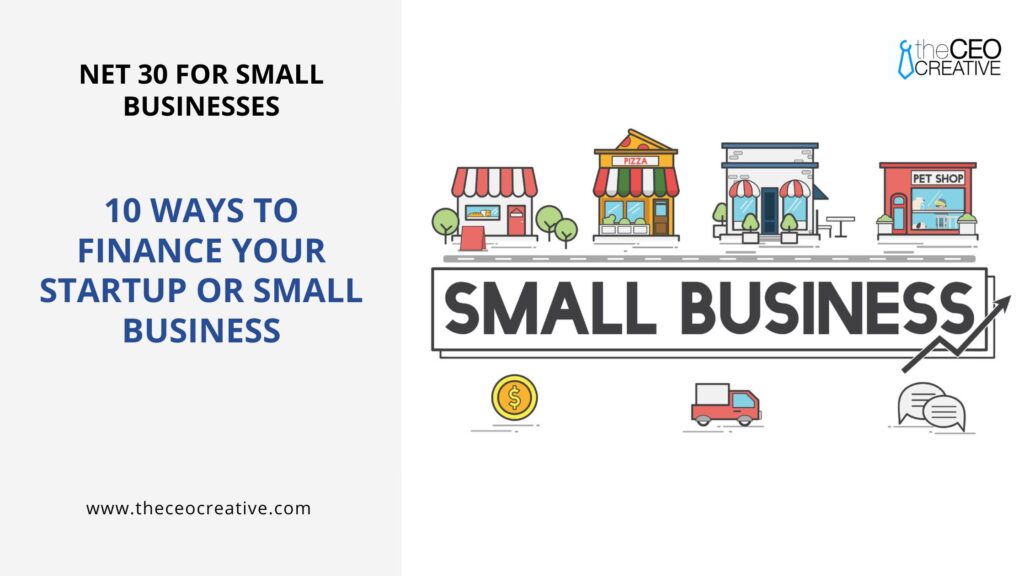
10 Small Business/Startup Ideas With High Growth Potential
E-commerce Niche Store
E-commerce is the most important element of retail today, and niche stores are just one component of this trend. Rather than sell from a broad category of products, focus on a specific segment in your market. For example, instead of featuring general home goods, you could create a site that only sells eco-friendly home products, or instead of selling fitness gear, you could sell fitness gear for a specific sport, or make an online store exclusively for artisan food products. By focusing on a particular market, you will find it easier to make customers into lifetime buyers, and your store will stand out as more unique.
Digital Marketing Agency
With businesses transferring a greater portion of their advertising budget to the online space, there is an increased need for people with digital marketing skill sets. You can open your own digital marketing agency that aids businesses increase their online presence through SEO, social strategies, and content marketing. With a small team, you can leverage your industry expertise and stay current on the latest trends within the digital landscape to scale your agency quickly to serve businesses globally.
Subscription Box Business
Subscription boxes cater to consumers who want unique and customized experiences. For example, whether that might mean gourmet snacks, curated clothing items, or even monthly book shipments, subscriptions provide a way to develop a loyal customer base with predictable ongoing revenue generation. Good curation and good customer service is essential to optimizing your box and making it as repeatable as possible.
Content Creation & Branding Services
The competitive world we live in, where content is king, makes a business’s success derived from how well it articulates its brand value. In a robust content marketing model, offering services such as copywriting, content creation, storytelling, and branding will interest companies who do not have in-house expertise. Whether working to create meaningful video campaigns or refreshing their identity design work, a focus will always be in marketing or content creation that is happening right now.
Financial Consulting for Startups
New businesses often need help with financial planning and capital management. Through specialized consulting services, you can help them explore funding options, develop a budget, and build financial forecasts. A background in startups and finance will greatly benefit companies that need help staying alive and growing, which will also grow your consulting practice.
Online Education or Skill Courses
The interest in online education remains strong, particularly for skills-based courses in technology, business, and personal development. Creating high-quality, engaging online courses gives you access to a worldwide audience who wants to learn a new skill or further their career. Developing a program that includes an industry professional and that is user-friendly can take your educational program to the next level.
Green & Sustainable Products
Consumers are more aware than ever about their purchasing behavior’s environmental impact. A business that offers green and sustainable products can be both lucrative and beneficial for a broader cause. There are many opportunities to appeal to eco-conscious shoppers from sustainable packaging to zero-waste personal care products.
Software as a Service (SaaS) Product
The Software as a Service model enables companies and consumers to gain internet access to software applications without the need for heavy hardware. By building a SaaS product that solves an industry-specific problem (such as project management tools, CRM software, or niche solutions), you can make yourself available in a growing market that knows they need to adapt to new ideas and convenience.
Health & Wellness Coaching
As people become increasingly concerned about health and wellness, they may value the chance to participate in a coaching service that can help them improve their overall quality of life. You can provide coaching in specialized areas, such as nutrition, mental health, or fitness and create individualized plans, support, and accountability. Offering your coaching virtually expands your reach and helps you develop a client base that extends beyond your geographical location.
Custom Corporate Gifting Solutions
Companies are increasing their investments in relationship building, and personalized corporate gifts can be an excellent way to strengthen relationships with clients and employees. If a start-up focused on creating customized and thoughtful gifting solutions could make a mark, there is certainly an audience who would seek out a unique way to stand apart. Packages could contain anything from bespoke boxes filled with gifts, to personalized gadgets that are destined to be memorable.
How to Choose the Right Idea for You
Picking the right startup or small business idea is a lot like picking your favorite slice of pizza; it needs to be something you want to eat and feel wonderful about! So, let’s find your slice. First, consider your passion and interests. What gets you excited? When you are passionate about what you are doing it does not feel like something you have to work hard at, and when the going gets tough you can engage full hustle mode.
Next, it is time to consider your skills and capabilities. Do you have an at connecting with people, a love of numbers (or don’t run away at the sight of numbers), or do you love tech? This type of evaluation allows you to use your skills to build momentum quicker and make yourself stand out against the competition.
Lastly, you need to understand market demand. Do some research and see if someone would be willing to pay for what you are considering, even if it might only be your mother! A great idea without a market is the same as a great joke in an empty room—you really need to have someone there to hear it!
Finally, think about start-up costs and ROI. Are you comfortable charging what you need to to meet your financial obligations and goals?
Steps to Turn Your Idea Into a Scalable Business
Once you have identified the best business idea for you, you will have to plan a means of taking it from idea to successful business. Following is a list of suggested steps to get you started:
1. Research and Validate: After you have identified your idea, conduct more detailed research on the market to identify whether there is a market with an interested audience waiting. This step reduces the overall risk factors involved in building your idea or venture and will provide you some clarity to refine your idea with essential market insights
2. Create a Business Plan: Draft a business plan to outline your business ideas, goals, audience, advertising and sales strategies, and projections. This will work as a GPS to help you guide all of your decisions.
3. Find Funding: Understand how much capital you will require and explore potential funding strategies – savings, private investors, loans etc.
4. Build an Outreach Brand: Your idea should create a compelling brand that will attract and resonate with your audience! You may want to develop a name, logo, and online presence to begin establishing a brand.
5. Execute: Depending on your idea the beginning phases will, in all likelihood, involve some sort of legal/ones you think would like to protect against competitors stuff (registering your business, identify licenses and setup your operations).
6. Customer Experience: Ensure delivery of quality service to your customers. Happy and secured customers become your best advertisement for marketing through word of mouth.
7. Technology: Explore your venture as possible and a good fit with technology intro your model for efficiencies and customer experience improvement.
How to Manage the Finance in Your Startups?
The financial part of running a startup can be an uphill battle—but with an effective financial strategy, you can sail. Here are some strategies that are proven to keep your startup on solid financial ground:
– Analyze Your Budget: Your budget is your North Star. Be honest with yourself and create a carefully scrutinized budget that includes all potential outgoing expenses: from office supplies to marketing campaigns. Refer back to this budget regularly, and modify as you grow and work towards continued goals.
– Financial well-being starts with cash flow: The best way to know how much money you are actually bringing in or spending is to track your inflows and outflows. Use simple accounting software to catalogue every penny. Track your cash flow as frequently as possible to monitor for those unanticipated expenses or downturn in sales!
– Keep your business and personal finances separate: Seems basic, sure, but it’s easy to blur the lines when you are excited about your startup. Create a business account to separate your expenses for your peace of mind when tax time comes.
– Professional Opinion: Never hesitate to reach out to a financial advisor or small business accountant. They will offer up insights that you may have never thought of and maximize your financial make-up and strategy.
– Optimize Funding: Explore various funding sources like grants, crowdfunding, or microloans. Each option comes with its pros and cons, so choose what aligns best with your business plan and goals.
Common Mistakes to Avoid When Starting a Business
Starting a business can be exciting, but it’s easy to trip up! Here are the most common mistakes to avoid which will increase your chances of success:
– Not Doing Market Research: One of the most notable reasons startups fizzle and fail is they do not do their homework. If your target audience is, and your competitors ogling at the edges of your never-ending coffee refills, you might struggle to get your business off the ground.
– Not Having a Business Plan: A business plan coheres your ideas into a coherent roadmap to launch your startup. Your business plan details your goals, shows how you plan to achieve those goals, and shows how much capital you need to financially survive. Not having a plan will always leave you open to missed opportunities or unnatural failures.
– Not Marketing Enough: Many startups think their idea is so great the marketplace will make it known and forget all about marketing. Your startup only works as good as it can be marketed. In a purely mugger bean market, marketing can increase your startup overnight massively.
– Not Estimating How Much Money You Need: It’s pretty easy to overestimate how much you need and to underestimate how much. Overbank your cash estimates to allow for unnecessary cash burn.
– Not Learning How to Get Help: Unfortunately, you will burn out. You will mostly be juggling a lot of things in your first 6 months, but it will soon catch up to you! No one can do it all, ever! You should delegate those you trust and hire when you can afford to.
Avoid these stumbling blocks, and you’ll be better positioned to take your small business from an idea to a thriving company.
Conclusion
Starting a business can be an exciting endeavor and, if you work hard and focus on growth, a fulfilling one too. The best thing about entrepreneurship these days is that so many business ideas are literally at our fingertips. If you like technology, sustainability, or helping people in your community, there is a small business idea that will align with your interests and skills.
Many successful businesses started small, with just an idea and a lot of hard work. And guess what? You can do it! Just keep in mind that the key is to find a need and then work hard to fill it. Innovative thinking and hard work will go a long way in the growth of a business.
So, take a leap of faith, start your journey into entrepreneurship, and take a shot on one of these business ideas that have the ability for high growth opportunity. Who knows? You may end up starting something amazing for yourself. Now is your time!
FAQs

What is the most successful small business to start?
A small business’ success is largely dependent on both market demand and your skills. Businesses in technology, e-commerce, and health presently show high upside potential, but success is also determined by your ability to execute upon your business idea and respond to various shifts in the market.
Which is the simplest business to start?
Freelancing work such as writing or graphic design are among the easiest businesses to start. It does require minimal startup cost, and as long as you have your skills and a computer, you can start offering your work to clients from all around the world.
How much capital do I need to start a scalable small business?
The amount of funding necessary varies widely depending on the industry and size of the venture. Some businesses might require only a few thousand dollars, while others may need a much higher investment. It’s important to prepare a thorough business plan to better understand both your start-up and ongoing financial needs.
How can I choose the right business idea for my skills and goals?
Considering your interests and strengths, and feasible market demand, reflect on your career goals and where you see yourself in the next 5-10 years. Research and examine market trends, and how your interests line up with marketable income-generating activity. Experimentation of ideas through small pilots is also a helpful exercise.
Why is financial planning important before launching a startup?
With proper financial planning, you will be able to budget in a conventional way, expect potential costs, and plan for the unexpected costs in life. Proper financial planning also establishes a base to grow on as well as build investors’ confidence in your organization’s fiscal responsibility.
How does business credit help in scaling a new business?
Business credit affords the opportunity to obtain the cash needed for expansion, to buy inventory, or to hire new employees, all without impacting personal finances. Business credit helps forge relationships with lenders that enable businesses to obtain future support when needed.
How to finance a small business startup?
Look at even personal savings, angel financiers or crowdfunding sites, or bank loans. Also, grants or small business credits are an option. Each would have its own benefits and drawbacks, so look at your business uses and ability to repay them.
Can I get a startup loan with no revenue?
It is definitely possible, although it may be a challenge. Some lenders may approve loans based off credit history, business proposal, and market opportunity. Furthermore, if you find it difficult to secure traditional loans, exploring other options such as angel investors or crowdfunding could be of advantage.