
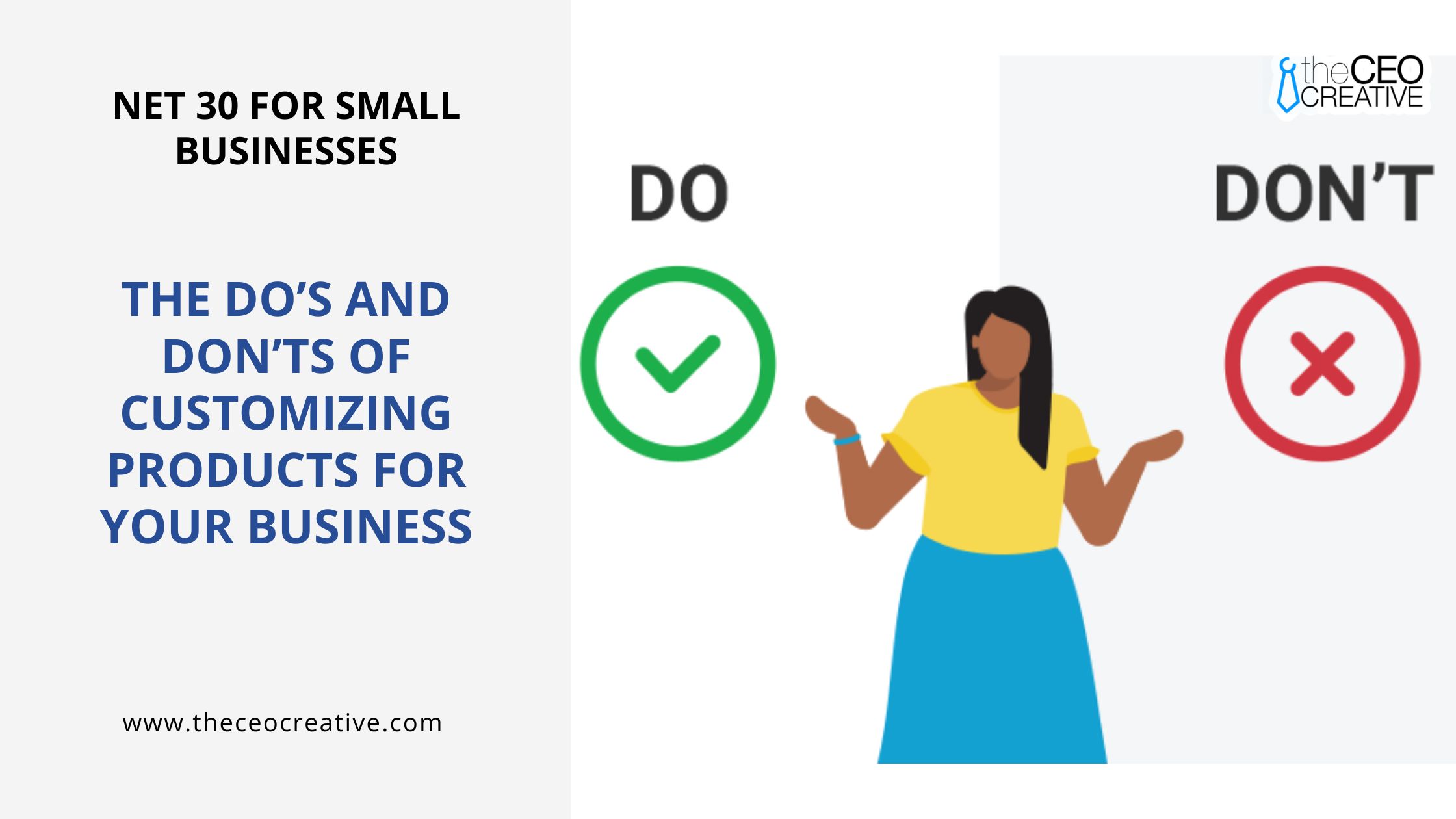
Product customization is an excellent way to differentiate yourself in an increasingly competitive market. Custom products offer businesses the ability to provide truly one-of-a-kind products that are developed especially for their customers’ needs and preferences. Of course, with great power comes great responsibility or in this case, a list of do’s and don’ts that you must follow in order to achieve the best results, and understanding the dos and don’ts could be the tipping point in successfully enhancing the customer experience and ensuring that your custom products are memorable! Now, let’s explore product customization!
What Types of Business Products Can be Customized?
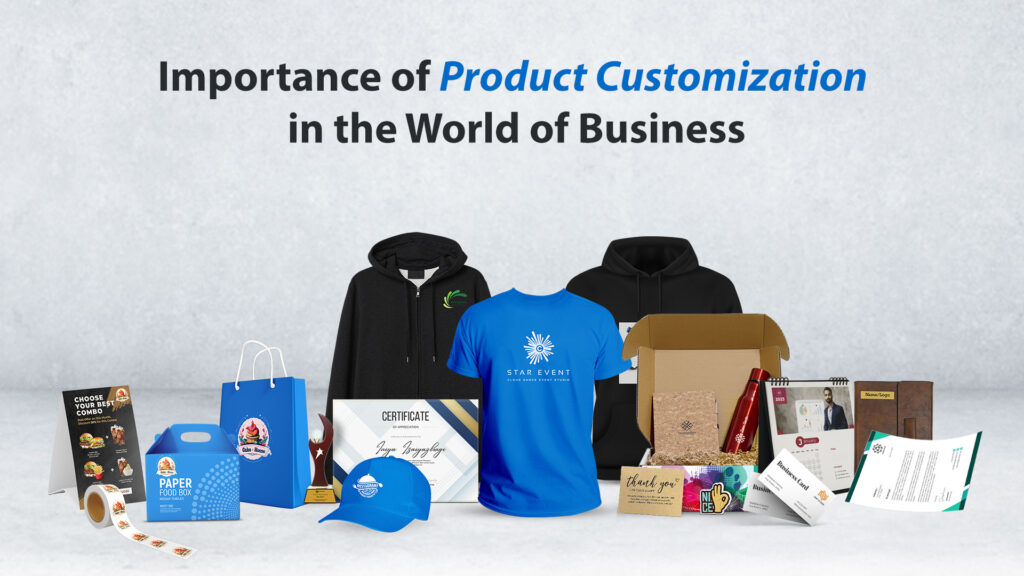
Nowadays, it seems like just about anything can be customized. From everyday items like t-shirts and mugs to smart devices like software and machines, the list of custom items only continues to grow. Custom products can exist across types of industries, covering consumer products or business services. Here are just a few examples to get the ideas flowing:
– Apparel: Denim, caps, t-shirts, and uniforms that match the style of your brand.
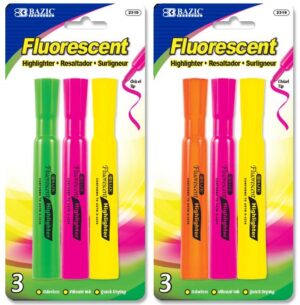
– Office Supplies: Pens, notebooks, planners, etc… with your company’s logo.
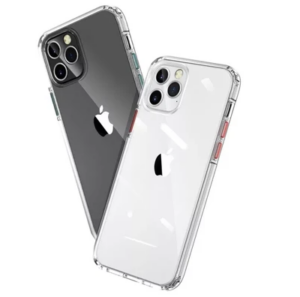
– Technology: Custom software or promotional gadgets with your name on it.
– Packaging: Custom packaging for your product to help differentiate it from the competition.
– Promotional items: Flyers, brochures, and simple gifts that match your brand’s personality.
Why Should You Choose Customizable Products for Your Business?
Customizable products present a unique opportunity to elevate your brand and cater to specific needs, both externally with customers and internally within your organization.
For External Use (Customers & Clients)
Customized products can greatly improve customer satisfaction. They express your attention to detail and consideration in offering something special, and slightly outside the ordinary. Personalized items show consideration and help you relate and connect to the desired audience. In addition, personalized options encourage unique experiences that help to differentiate you from your competition and build customer loyalty.
For example:
– Gifting and Merchandising: Custom gifts for loyal customers can increase retention.
– Customization: Offering products configured to clients’ specifications leads to a more satisfied customer base.
For Internal Use (Employees & Operations)
Using customizable products internally can translate into improved employee engagement and efficiencies. When employees feel valued, it follows that they will be more productive and more engaged.
Some of the benefits to consider are:
– Apparel: Employees can take pride in wearing company-themed apparel;
– Equipment: Custom equipment and tools fit for operations can improve efficiencies;
– Recognizing team milestones: Providing custom gifts to celebrate personalized milestones for employees creates a strong bond for the team and company.
Ultimately, any use of customizable products can have significant benefits if you are focused on serving your customers or simply supporting your team. It is about connecting in meaningful ways and ensuring all parties benefit from what your brand represents.
Factors To Consider When Customizing a Product for A Business
When entering the realm of product customization, there are a few points worth bearing in mind so that you’re putting your business in the best position for success. First, understanding your target audience is critical. What is their taste and how does your product fit their needs? Conduct some market research, utilize customer feedback for it helps gather insights.
Secondly, think about costs. Customization can potentially become expensive for you, therefore you need to find a sweet spot in terms of how much customization you offer in relation to price. Think about the materials, the manufacturing process, and length of time to produce your custom item. It’s best to ensure you have the financial resources to back them.
Third is product quality. It may be tempting to take some shortcuts for a couple bucks, but losing quality can hurt your customer satisfaction. Make sure the product can withstand the customizations and retains quality and lifespan.
Lastly, consider scalability. As your customers increase, will you be able to continue offering the level of customization that they have come to expect? Think about how you could provide customization while also meeting the demands of growing customers; being cognizant of resources while still maintaining the quality.
Common Challenges Businesses Face While Customizing Products
Customizing products can be a challenge, and there are several challenges you may encounter. One common challenge is managing customer expectations. Customers tend to have a specific vision in mind when ordering a custom product, and it may be challenging to align their expectations with what you are able to deliver.
Managing the logistics with customizing product options is another challenge. Depending on what you offer, managing everything from material sourcing to production time, can be quite involved, and the logistics become even more difficult if you are dealing with multiple product customizations.
Depending on what you offer, you may also face technological hurdles. Not all companies have the technology resources or know-how to implement certain custom features, which limits customization.
Lastly there is the risk of over-customization, as it can create choice paralysis. Too many choices can overwhelm customers when they try to decide what they should purchase. You want to offer enough options to be appealing, but not enough to overwhelm.
The Do’s of Product Customization
Prioritizing Quality Over Quantity
When it comes to product customization, quality should always be your first priority. It is best to prioritize crafting bespoke products that will amaze your customers. After all, flavours of customization may be inconsequential. Though you may be tempted to inundate customers with customization options, in practice you will go further on each of these options being of the highest quality. Above all, some quality bespoke product is thousands of times more valuable than tons of cruddy personalization.
Offering Personalization Options
Giving your customers the chance to customize their products is an excellent way to increase satisfaction and brand loyalty. Consider how you can offer customizations that offer a personalization aspect — engravings, colour selections, or custom designs. These options can be customized to what best suites your audience and their needs, ensuring they can create something of their own.
Utilizing Advanced Technology
Don’t be afraid to take advantage of technological advances in the customizational process. Leverage software and tools that will help ease and efficiently operate personalization. This will enhance the experience for your customers as well as improve your production lines, which may result in fewer production errors and overall happier customers. Technology is always progressing, therefore staying current will keep you competitive and make your customization an enjoyable experience!
The Don’ts of Product Customization
Overcomplicating the Customization Process
Take care not to complicate the customization process. If customers find it difficult or confusing to customize their products, they might just walk away. Rather, create a process that is easy to use, where the customers can customize easily and make thoughtful choices. Providing a simple guide or tutorials can simplify the process for the customers, keeping them engaged and excited about their choices.
Ignoring Scalability Factors
When customizing products for your business, it’s essential to keep scalability in mind. Don’t create systems that are unsustainable at the volume you will eventually see. Your systems will need to be scalable to increase order volume without sacrificing quality and efficiency. Take a proactive approach to develop a customization strategy that will scale with your business.
Compromising on Brand Consistency
Customizations are fun, but they should not compromise your brand’s identity. Keep the messaging, visuals, and general feeling of your brand consistent. Ideal customized products should still embrace your brand’s core values and style. Pay attention to making sure your customized products stay true to the image and the story you wish to convey to your customers.
| Do’s | Don’ts |
| Understand your target audience: Customize products based on customer preferences and needs. | Overcomplicate the design: Keep it simple and functional, avoiding overly complex designs that can confuse customers. |
| Prioritize quality: Ensure that the customization process doesn’t compromise the product’s quality. | Neglect the core product’s function: Focus on customization without losing the product’s original purpose. |
| Keep branding consistent: Ensure the customization aligns with your brand image and message. | Ignore your budget: Over-investing in customization without considering costs can hurt your bottom line. |
| Offer flexibility: Provide a range of customization options to cater to different customer needs. | Assume one-size-fits-all: Not every customer wants the same custom options, so be flexible and diverse in your offerings. |
| Test the customized products: Run pilot tests or gather feedback to ensure the customized product is well-received. | Skip market research: Don’t assume customization is universally needed without proper research or customer feedback. |
| Incorporate feedback: Actively gather customer feedback on customized products to improve future offerings. | Ignore scalability: Avoid making customizations that are hard to replicate or scale for a larger customer base. |
| Ensure a seamless ordering process: Make the customization process easy and intuitive for customers. | Overpromise customization: Don’t promise customizations that are too complex or difficult to deliver. |
| Provide clear product information: Ensure customers understand what they are getting with customization. | Ignore post-purchase support: Don’t forget to offer customer support after the sale, especially for custom products. |
| Leverage personalization technologies: Utilize tools and software that simplify and enhance the customization process. | Disregard the timeline: Be realistic about the time it takes to deliver customized products, and don’t make promises you can’t keep. |
The CEO Creative – Best Platform to Order Customizable Products From?
When it comes to product customization, the right platform can amplify your intended results. Introducing The CEO Creative, an industry leader in custom branded products. With superior quality and a diverse range of products, The CEO Creative specializes in providing businesses with a loud and proud way to differentiate themselves with customized products and branding.
So, why The CEO Creative? For one thing, they have an easy-to-use platform that allows for real-time visualization of your products through the design process. Whether you want to customize an apparel style or a range of office supplies, promotional products, etc., The CEO Creative offers the tools with user-friendly designs, plus they offer competitive prices to keep your business and customer’s expectations inline with margins.
Another reason to include The CEO Creative in your company journey as they take customer support seriously. Their support team is there to help your team, regardless of where you are in the process. They assist from concept to delivery, while continually thinking about the customer’s journey and experience. With a robust focus on quality and customer satisfaction, The CEO Creative would be a worthy inclusion for businesses looking to customize product as a key part of their brand.
Tips for Successful Customization Projects
There is an excitement and sometimes anxiousness when starting a customization project. To help you achieve the best results for you and your customers, here are some helpful do’s and don’ts.
– Do Your Homework: You should know what your competitors are customizing and what the current trends are in the customization market. Being aware of what is currently happening will inform your decisions and allow your product to stand apart from others.
– Don’t Overthink the Design: Make no mistake, being creative is important, and maybe you have lots of ideas for your design. However, adding to many components can easily take away from the product and make them look busy. If you want the best and most clear results, you’re not going to want to overthink it.
– Do Pay Attention to Quality: Producing high quality products with high quality printing will not only look great, they will enhance customer satisfaction and return business.
– Don’t Ignore Prototypes: Before going through the entire process of custom printing in bulk – you should create prototypes. You do not want to be surprised by how the design ultimately was applied to the final product. You want to catch mistakes in the prototype phase, not on the finished product.
If I had to draw you a picture to follow, I would encourage you to use the list of do’s and don’ts we discussed to help make your customization project, a positive and successful endeavor. It will allow you to have an expanded level of products in your product offering and establish your business as an authority in original and quality merchandise.
Conclusion
Product customization provides a great platform for diversification and business expansion in the commercial space. If you understand the do’s and don’ts of customization, you can create a trajectory for your business to flourish. First and foremost is understanding who your customers are and what it is they want. Actively listen to your customers switch to decisions based on data, and you will get closer to customizing products they cannot live without. Make sure you keep your customization process scalable so that as your business grows adjustments can be made without sacrificing quality.
THE DON’TS OF CUSTOMIZATION – Don’t over-complicate your customization options. If you confuse your customers with too much choice, they will be dissatisfied with their options and experience decision exhaustion. Don’t dismiss customer feedback. Don’t be dogmatic or immune to methodologically outdated leadership from previous generations; You could easily find yourself trailing the competition.
Finding the ideal blend between innovation and customer preferences is a key component of making custom products that come close to exceeding expectations. Happy customizing!
FAQs for Customizable Business Products

Is it worth customizing products for a small business?
Absolutely! Customizing products can help your small business stand out from the competition. It allows you to tailor offerings to your customers’ tastes, leading to increased loyalty and sales. Just make sure the customization resonates with your target audience.
How do I measure the ROI of customized products?
To measure ROI, track metrics such as sales growth, customer retention rates, and customer satisfaction surveys. Compare these with your initial investment costs to determine the overall effectiveness of your custom products.
Can I customize products on a tight budget?
Yes, you can. Start by prioritizing essentials like packaging or labeling. Consider digital customization options or work with suppliers who offer cost-effective customization services. A little change can go a long way in enhancing product appeal.
How often should I update or rotate my customized product offerings?
Aim to update or rotate your offerings at least annually or seasonally. Keeping your product line fresh ensures ongoing customer interest and engagement without overwhelming your resources.
Can I customize products if I have a limited or no logo?
You can still customize your products by focusing on unique design elements, color schemes, or packaging. Consider working with a graphic designer to create a simple yet effective brand image that can be included in future enhancements.
How do I know if a customizable product is right for my business?
Assess your target audience and business goals. Consider consumer demand, feedback, and competitor offerings. If customization aligns with your brand message and enhances user experience, it could be worthwhile for your business.
What industries benefit most from customizable business products?
Several industries thrive on customization, including fashion, technology, and beauty services. Any sector where personalization enriches the consumer experience can greatly benefit from offering custom products.
Are customizable business products more expensive than standard options?
Initially, customization might seem pricier, but it often results in higher perceived value and customer satisfaction. Bulk orders or limited custom elements can also help in managing costs efficiently.