
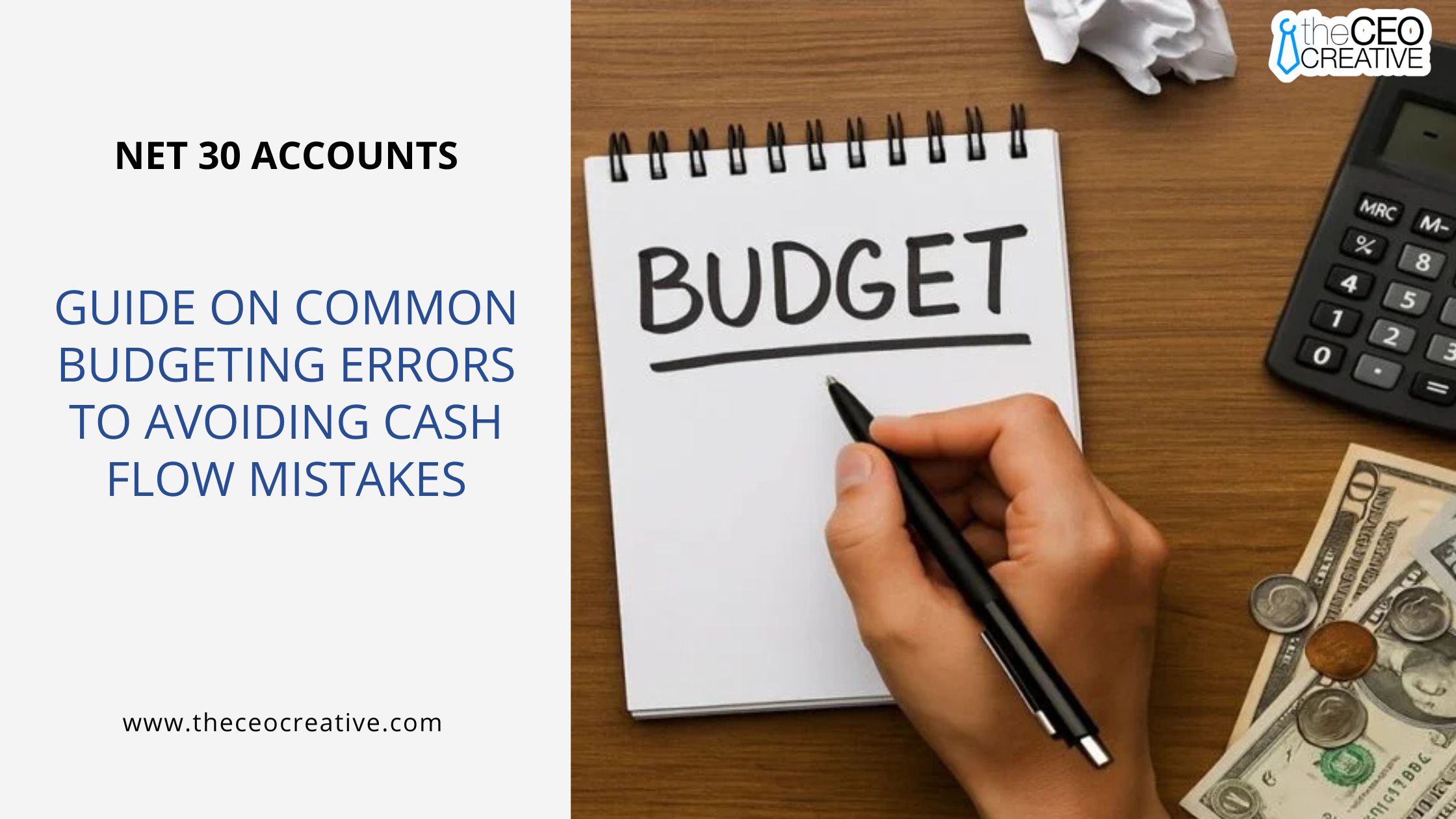
Managing your money can be tricky, and messing up your budget is super easy. Whether you’ve been budgeting for ages or you’re just starting, dodging these mistakes is key to keeping your finances in good shape. Good budgeting means good cash flow and a more stable financial life. In this guide, we’ll look at some common budgeting mistakes and give you tips on how to avoid them, so you can get on the road to being financially successful.
Mistakes To Avoid While Planning Budget
Okay, so when you’re trying to handle your money, budgeting is super important. I mean, we’ve all sat down with a pen and paper or fired up Excel, ready to get our finances in order. But let’s be real, things can go wrong. Knowing where people usually mess up with their budgets can really help. Let’s get into it.
Failing to Track All Income and Expenses
A pretty big mistake folks make is not keeping tabs on where their money comes from and where it goes. It’s easy to lose track of all those small purchases. Forgetting to write down that morning coffee or a gift can mess up your budget. So, try to list everything, so you know where all your money’s going each month. Using an app or a simple spreadsheet can really make keeping track of those tiny buys easier.
Overestimating Future Income or Underestimating Expenses
One trap people fall into is getting too hyped about their money situation. Like, you might be expecting a raise or bonus, but don’t count your chickens before they hatch. On the other hand, it’s easy to not realize how much you’re actually spending. Make sure your guesses are real. It’s way better to have more money than you thought than to come up short.
Ignoring Emergency Funds
Life can be a bit messy, and you never know when something unexpected might pop up. Not having an emergency fund is like walking a tightrope without anything to catch you if you fall. Try to put some money aside for those oh no! moments, like when you need to fix your car or go to the doctor.
Focusing Only on Short-Term Financial Goals
Yeah, short-term goals matter, but don’t forget about the big picture, or you might mess up your future finances. It’s important to juggle what you need now – like food and rent – with what you’ll need way later, like saving for retirement and investing. Keep in mind that what you’re doing right now is setting you up for what’s to come.
Not Regularly Reviewing and Adjusting the Budget
A budget isn’t something you just create and then ignore. You need to check it regularly. Stuff happens in life, so your budget should change too. Did you get a new job, move, or have a kid? These things mess with your money, so it’s a good idea to look at your budget and tweak it every few months, or whenever something big happens.
Overlooking the Impact of Taxes on Cash Flow
Taxes can really mess up your money if you’re not careful. If you don’t plan for them, you might get hit with a bill you weren’t expecting. So, be sure to include taxes when you’re budgeting to avoid a shock when taxes are due.
Relying Too Heavily on Credit for Short-Term Cash Flow
Credit cards and payday loans can help when you’re short on cash, but using them too much can get you stuck in debt. Interest rates can be high, and borrowing all the time means you’re paying fees just to get to your own money. Instead, try to save up some money to use when things get tight.
Ignoring Cash Flow Projections
If you don’t plan for your future money needs, you might run into money problems. If you think about how much money you will have, you can see when you might not have enough. Then you can decide what’s most important to spend money on and make better plans. By thinking about the future, you can make good money decisions instead of panicking when things go wrong.
How to Simplify and Improve Your Budgeting Process?
Okay, now that we’ve pinpointed some mistakes, let’s look into how to make budgeting less of a chore and more of a rewarding experience.
Identify All Income Sources Clearly
Okay, first, write down all your income. This includes your regular pay, any side jobs you do, freelance work now and then, plus any interest you get from savings or investments. Knowing where your money comes from and how much you get is the first thing to do for good budgeting.
Categorize Expenses for Better Clarity
Start sorting your expenses. It’s useful to see where your money is going and what you might need to cut back on. Try grouping things like housing, food, bills, fun stuff, and travel. Seeing it all laid out can show you what you can reduce or change.
Automate Tracking Wherever Possible
Life’s simpler now, thanks to tech. Try budgeting apps that link to your bank and track where your money goes. It saves time because you don’t have to type everything in yourself, and you always know what’s up with your finances.
Use Cash Flow Forecasting to Plan Ahead
Cash flow forecasting is like checking the financial weather. If you predict your income and expenses, you can see possible money problems coming. This lets you get ready and keep things running smoothly.
Implement Net 30 Payment Terms for Smoother Cash Flow
If you run a small biz or freelance, think about using net 30 payment terms. This lets clients pay within 30 days after they get your bill, which gives them time to pay and helps you keep your money coming in regularly.
Use Financial Dashboards for a Real-Time View
Financial dashboards can really change things. They give you a quick look at your money anytime, showing what’s coming in, what’s going out, and any budget changes. They’re awesome for seeing if you’re on track with your money goals without having to check all the time.
Simplify Payment Cycles
Try to sync your bill payments with when you get paid. This should make it easier to manage your spending and keep you from stressing about money all month. Like, if you get a paycheck every two weeks, try to schedule those big bills around those dates.
So, guys, getting good with your money and having enough cash? It comes down to planning and making smart choices. If you avoid some common money mistakes and keep your budget simple, you can build a more secure future. Happy budgeting!
Conclusion: Take Action Now to Improve Your Budgeting and Cash Flow
Okay, so we’re wrapping it up with budgeting and keeping track of your cash flow. It’s time to get control of your finances and head toward a stable future. Let’s be real, money problems happen, but the good news is you can totally fix them if you learn a little and stick with it.
First, check out how you’re budgeting right now. Are you watching where your money’s going? If not, maybe it’s time to get to work and see what you’re spending on. Make a simple list or grab a budgeting app to watch your expenses. It might seem small, but it’s a good way to see where your money goes, spot things you don’t need, and find chances to save.
Next, make a budget that makes sense for your real goals and how you live. This means setting clear goals, like saving for a trip, a house, or just building up your emergency savings. Remember, a budget isn’t stuck in place. It’s something that should change as things in your life change.
One more thing is to watch out for typical cash flow mistakes. Here are some easy tips:
– Don’t overestimate what you’ll earn: When you’re guessing how much money you’ll make, be careful. This can save you if things don’t go as planned.
– Remember weird expenses: Keep in mind those bills that come once or twice a year that can mess up your budget.
– Fight the urge to spend more: When you start earning more, it’s easy to want spend more. Keep your eyes on your targets and don’t waste money on things you don’t need.
It’s also key to have some extra money saved for when life throws you curveballs. Try to grow your emergency fund, so you’re not blindsided by surprise costs, like fixing your car or doctor visits. Having a financial cushion means less stress.
Also, learn more about money. The more you know, the better you can control your cash. Check out books, go to classes, or just read good money blogs (like this one!).
Finally, ask for help if you’re struggling. Money experts can give you advice and tips to handle tricky money problems. Asking for help is fine—it shows you’re smart, not weak.
Just remember, handling your money is a marathon, not a sprint. By avoiding common budgeting errors and knowing where cash flow issues come from, you’re getting ready for success. So, start now—try these tips, be smart with your money, and watch things get better. Let’s make your financial dreams come true, one smart choice at a time!
Frequently Asked Questions
What are the 3 P’s of budgeting?
Budgeting success boils down to three things: planning, prioritizing, and patience. Plan by setting money goals and figuring out how to reach them. Prioritize by deciding where your money should go. Be patient. Give changes time to work, and don’t rush big choices.
How do inaccurate expense forecasts lead to cash flow problems?
If your expense predictions are off, it can mess with your cash flow. Guessing too low on costs means you might not have enough money when you need it. If expenses are higher than you thought, you could be short on cash and struggle to pay bills or debts. This situation can cause stress and money problems.
Why does ignoring small recurring costs affect overall budgeting accuracy?
Those little costs that keep popping up might not seem like a big deal, but they can really add up and eat away at your budget. If you don’t pay attention to where that money is going, you won’t really know how you’re spending. Slowly, these expenses can drain your funds, which can mess with your savings and how well you handle your money.
How does poor record-keeping contribute to cash flow gaps?
If you don’t keep good records, it can mess up your cash flow since you won’t know where your money is going. If you don’t have good records, you could miss expenses or not see how you’re spending, which means you might spend too much and run out of money when you least expect it. This will definitely make it harder to stay on top of your finances.
How can inconsistent income tracking lead to cash flow mismanagement?
If you don’t keep good track of your income, you can mess up your cash flow because you won’t really know how much money you have. When you don’t update and check your income often, you might think you have more money than you do. This can make you spend too much, miss chances to save, and just end up with a big mess.
What happens when businesses fail to account for seasonal fluctuations?
If companies don’t plan for busy and slow seasons, they might have money problems during the slow times that they know are coming. If they don’t prepare, they could have trouble paying their bills, which could lead to money troubles. Good budgeting means seeing these changes coming and getting ready for them.
How does mixing personal and business expenses create budgeting issues?
Mixing your personal and business spending can make it hard to track where your business money is going. It also makes taxes trickier – you might miss deductions or report too much income. Keeping these things separate makes your finances clear and helps you budget better.
How can delayed invoicing cause major cash flow disruptions?
If you don’t send invoices quickly, it can mess up your cash flow since you won’t get paid on time. Waiting too long to bill people means you have less money to pay for regular stuff. Getting invoices out fast means you’ll have the money you need to keep things running.
What budgeting errors increase the chances of late payments to suppliers?
Screwing up stuff like guessing your income wrong or not setting aside money for paying people can make it more likely you’ll be late on payments. If you don’t budget right for these things, you could end up with penalties or ticked-off suppliers. Keeping an eye on when your bills are due is super important for keeping your business running smoothly.