
Launching a business is no small feat, and part of ensuring its financial health involves building a strong business credit profile. That’s where Net 30 accounts come in.
These tools allow businesses to purchase goods or services on credit and pay back within 30 days—like an interest-free loan! They’re particularly suited for young businesses or those with shaky credit histories, as they offer an accessible point to kickstart your business credit journey.
By using these accounts wisely, you can establish a solid payment history, manage cash flow more efficiently, and gradually enhance your creditworthiness.
Remember, timely payments are important for building a solid business credit profile and setting your business on the path to financial success. Explore how Net 30 can help your business grow and thrive.
Understanding Net 30 Accounts
Definition and Functionality
As a business owner, you may need office supplies or services, but find your cash flow a bit tight. That’s where these accounts come in.
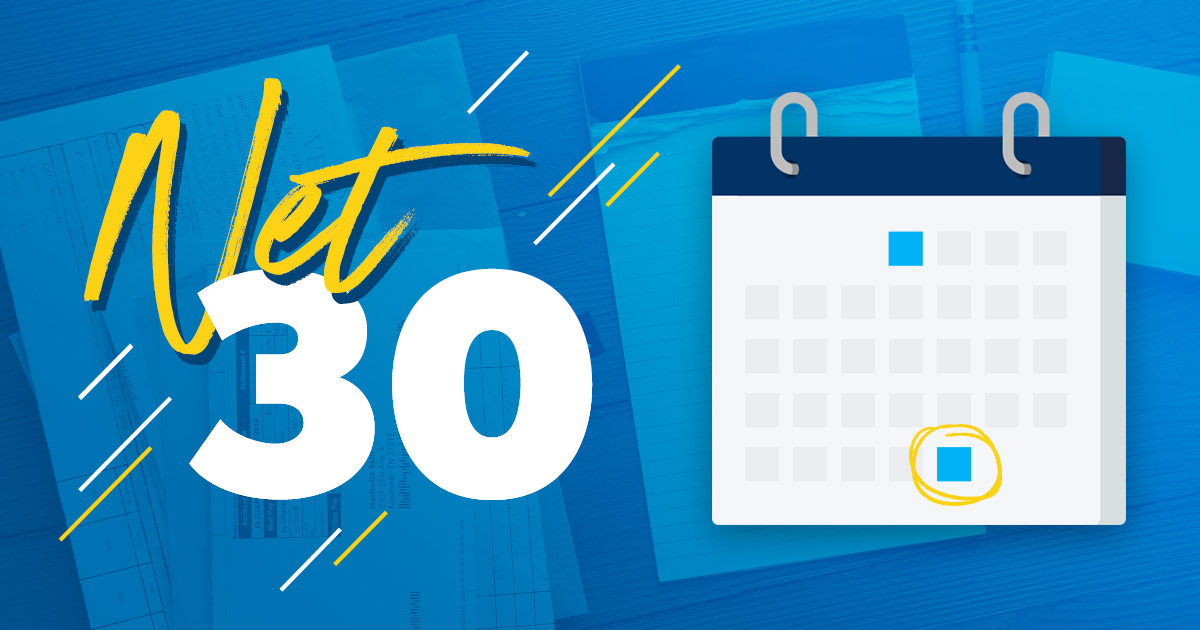
Net 30 payment accounts are a type of trade credit commonly offered by suppliers to businesses. With a Net 30 account, you can receive goods or services now, such as office supplies, without paying upfront.
Instead, you have 30 days from the invoice date to settle the full amount due. Think of it as a short-term. Interest-free loan–a valuable option, especially for businesses just starting out or those building their credit history.
These accounts are often easier to qualify for, making them an excellent entry point for new businesses or those with lower credit scores. However, it is essential to make timely payments. Late payments can result in fees and damage your credit, so it’s crucial to read the terms carefully and stay on top of your payments.
Advantages for New Businesses
For entrepreneurs and new business owners, these accounts can be lifesavers. Here’s how they can help:
- Entrée into Credit World: They serve as a straightforward entry into building business credit, even without a strong credit history, making them perfect for newcomers..
- Build Your Credit Reputation: Consistent on-time payments help establish a good credit track record, which can improve your chances of securing future loans or better credit deals.
- Flexibility in Managing Finances: For start-ups juggling tight budgets, these accounts provide the financial flexibility to cover expenses and investments without draining cash upfront. For instance, businesses can invest in custom branding, such as logos, business cards, and promotional items, to build their identity while keeping finances stable.
By using these accounts wisely, you can establish a solid foundation for your business’s credit growth and financial success.
What are the Benefits of Net 30 Accounts?
These accounts offer businesses improved cash flow by providing a 30-day grace period to pay for purchases.
This flexibility allows businesses to use goods and services to generate revenue before payment is due, optimizing their financial operations.
Enhanced Cash Flow Management
In business, cash flow is critical. These accounts enhance cash flow by allowing businesses to purchase inventory, supplies, or services and defer payment for up to 30 days. For instance, office supplies are often important for day-to-day operations and can be bought on Net 30 terms. This gives businesses the flexibility to purchase what they need now and pay later, optimizing financial management.
By offering immediate access to resources without immediate payment, Net 30 helps prevent cash flow bottlenecks and ensure smooth operations. Businesses can make strategic purchases or handle unexpected expenses without worrying about cash shortages.
Interest-Free Financing
Think of these accounts as short-term loans with no interest. If you pay off the full invoice within 30 days, you are not charged any interest, giving you more flexibility to manage your business’s cash flow.
This means more cash for critical business investments or covering operational costs. Interest-free financing allows you to maximize your funds, making these accounts an ideal option for business owners looking to optimize spending.
For example, you can purchase custom drinkware like mugs or tumblers using Net 30 terms to support your brand’s visibility while managing short-term financial needs.
Business Credit Building Powerhouse
One of the most valuable benefits of these accounts is their ability to build business credit. Timely payments are reported to business credit bureaus, gradually boosting your credit score.
A strong credit profile opens doors, from securing favorable loans to negotiating better terms with suppliers. It also signals financial responsibility to potential lenders or partners, paving the way for future opportunities.
In short, these accounts are a powerful tool for building a solid credit history. By managing these accounts wisely, new businesses can fast-track their journey into the credit landscape, setting the stage for sustainable growth and success.
Building Business Credit: Essential Steps
Building a solid business credit profile is a vital move for anyone aiming to set their business on the path to growth and success. While the process might seem overwhelming at first, following some essential steps can make the journey a breeze. Let’s dive into the foundational steps you’ll need to launch your business credit successfully.
Step 1: Incorporate Your Business
The first step to build business credit is to incorporate your business. Here is how you can turn your idea into a recognized entity:
- Choose a Legal Structure: Form a corporation, LLC, or partnership to separate your personal finances from your business. This helps establish a distinct credit profile and protects your personal assets.
- Obtain an EIN: Just like a Social Security number for individuals, your business needs an Employer Identification Number (EIN) from the IRS. This number is essential for tax filings, hiring employees, and opening a business bank account.
Step 2: Open a Business Bank Account
Opening a dedicated business bank account is more than symbolic; it’s a vital step in demonstrating professionalism and financial organization.
- Keep Transactions Separate: A business bank account helps keep your business finances separate from personal ones, thereby maintaining a clear financial picture.
- Compare Your Options: Not all banks are created equal. Research different banks to find one that offers favorable fees, interest rates, and a user-friendly online banking system. Also, consider the customer service quality when making your choice.
Step 3: Acquire a DUNS Number
A DUNS (Data Universal Numbering System) number is important for establishing your business’s creditworthiness.
- Register with Dun & Bradstreet: Apply for a DUNS number through their website. This nine-digit identifier is often needed by vendors and lenders to assess your creditworthiness.
- Valuable Identifier: The DUNS number becomes part of your business credit file, helping potential partners and lenders make informed decisions about your credit options.
Leveraging Net 30 Accounts for Business Growth
 Image courtesy: Unsplash
As your business credit grows, these accounts become powerful tools for both cash flow management and credit building. Here is how they support business growth:
- Cash Flow Management: The 30-day payment window gives your business the financial breathing room to use products or services immediately while awaiting client payments.
- Cost-Effective Credit: These accounts automatically extend an interest-free loan for 30 days as long as you settle invoices on time. This provides a cost-effective way to manage your short-term expenses, such as purchasing office supplies or tech gear.
- Build Your Credit History: Timely payments on these accounts help establish a positive credit history, significantly improving your business’s credit score over time, and opening up advanced financing opportunities.
- Negotiation Power: As you use these accounts more, you gain leverage to negotiate better terms with suppliers, including early payment discounts or extended payment periods.
When managed strategically, these accounts can drive both financial flexibility and business growth. By making timely payments, you are enhancing your business’s credit score and positioning your business for future opportunities.
Before signing up, always review the terms and conditions, including payment deadlines and any penalties for late payments.
Conclusion
Building a strong business credit profile is key to unlocking future growth and opportunities. By using easy approval Net 30 accounts and making responsible financial decisions, you lay the groundwork for financial stability.
Stay consistent with timely payments, separate personal and business finances, and make informed decisions to improve your credit score. Over time, this opens doors to new opportunities and business success.
Incorporate your business, open a business bank account, and obtain a DUNS number to kickstart your credit journey. Think of building credit as nurturing a plant–patience and consistency lead to long-term growth and success.