
In today’s landscape, where differentiation is so vital for brand identity, custom products allow a business a unique opportunity to reinforce its brand identity. Whether you’re considering custom mugs, T-shirts, or even office supplies, custom products can contribute to leaving a lasting impression. But before ordering custom products for your business, there are a couple of things you should know. In this blog, we will outline the top ten tips for making informative decisions for your custom product orders.
So stay tuned, as we guide you through what you need to know about customizing products and tips to make your custom product purchasing process a success!
What Are the Critical Steps to Take Before Ordering Custom Products?
In custom products, you can’t go wrong with the phrase, “measure twice, cut once.” Doing some prep work before placing an order can save you time, money, and headaches in the long run. So what exactly are we looking at before you hit that button that reads “Order Now” on your business’s custom swag or promotional items? Let’s dive in and go over the important steps you want to take prior to pressing the order button.
Why Custom Products Matter for Your Business
Custom products are more than just cool promo items—they’re a smart way to promote brand recognition! They are a great way to emphasize a company culture or personality to stand out in a crowded landscape.
Custom products can be giveaways, employee products, or part of your product line, but they build a personal connection with your audience.
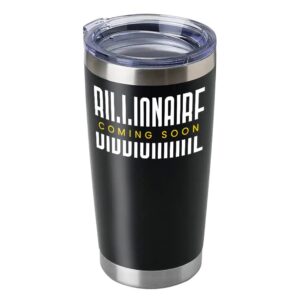
For instance, when you give a client a custom-branded mug, your brand is up front and center every time they drink their morning coffee. Small but powerful! These are sometimes the little touchpoints that help reinforce brand loyalty and recognition. With proper customizations, you will have a product that your clients and customers remember.
Understand Your Business Needs
Before you browse options and speak to suppliers, it’s important to be clear about your “need state.” Think through these questions:
– What is the custom product for? Are you using it for a corporate event, for a campaign, or for a gift to your customers?
– Who is the end user? Understanding your end user helps you select a product that they would like and use.
– What is the brand message/theme? Make sure the custom item fits your brand identity and message.
Thinking through these areas will help you to make sure you choose the right products and/or designs for your own business goals.
Choosing the Right Customization Method
Making decisions about how to customize the items you select for your customers can change the whole experience. Here are some customization idea you may want to consider:
– Screen printing: A fantastic way to customize clothes, bags, and flat surfaces at a reasonable price and can be printed with a variety of colors.
– Embroidery: The best option when wanting to add a touch of sophistication to a fabric product, such as a hat or polo, and leaves a long lasting impression.
– Engraving: Most used on metal or glass products, and adds a bit of class and permanence when personalizing items.
– Sublimation printing: Considers your designs that need wide coverage in full color, such as a mug or phone case.
Keep in mind what’s best for the material and for your brands’ style and feel.
Finding a Reliable Supplier for Custom Products
This is where diligence comes into play. A trusted supplier could be a bridge between your vision and the reality you’re trying to build. Start with the following:
– Researching: Do your homework and check out suppliers with good reputations. Do they have good online reviews? What do other businesses in your area say about them?
– Testing the products: Make sure you see the products’ quality and details for yourself before you move ahead with the supplier.
– Evaluating communication: You want to have a supplier that communicates well. Are they prompt? Do they see your vision?
By reaching out to your supplier and getting a good communication channel set up ensures that the two of you are seeing eye to eye and can work through potential issues together.
Calculating Costs & Setting Budget Expectations
Customization can be expensive! However, don’t worry, planning ahead can help minimize any surprises! Let’s start with:
– Set your budget: You need to know your max, and then work back, Don’t forget set up fees, design, and any potential charge.
– Get quotes in full detail: A well detail quote takes into consideration as many expenses as possible
– Check for bulk discounts: Lots of suppliers offer discounts for bulk order which could stretch your budget.
Keep in mind that while it is great to have a lower number, price should not determine quality.
Understanding Minimum Order Quantities (MOQs)
Minimum order quantities (MOQs) are a vital component in the the custom products industry. MOQs can vary dramatically based on the product category and vendor. Here are some reminders to keep in mind:
– Match up with you: Does the MOQ work into your campaign requirements or customer finite demand?
– Effect on budget: How well does the MOQ price fit into your budget?
– Storage capacity: Will you have enough storage space for this product quantity or will you need space to find a storage rental?
Knowing your MOQs will help to avoid overstocking or running out of stock.
Turnaround Time and Delivery Expectations
Everything depends on timing, especially if you have a date in mind for your event or launch. Stay ahead with an approach such as:
– Talk about timing early: Get a ballpark estimate from your supplier as soon as you can, and include a contingency due to the nature of timelines.
– Discuss shipping: Confirm that they will ship reliably and on time.
Syncing your order timeline with the suppliers will keep your projects and events on track and minimize stress/expedited fees.
Quality Control, Durability & Product Testing
It’s important that your custom products reflect your business’s quality standards. Products that are well made contribute to a good reputation for your brand; whereas, products that are not well made can ultimately tarnish that reputation.
– Request samples: Before you place large orders, it is a good idea to obtain samples of the product(s) before placing an order, to ensure quality.
– Test products: If possible, be sure to perform your own testing of the products in real-life conditions to test durability, and your evaluation of whether the products meet your quality standards.
– Check-in with the supplier: It may improve your confidence in a supplier if you check in with them on a regular basis throughout production to verify that quality assurance processes are being followed.
Legal and Compliance Requirements
Verify that your custom items comply with all laws and rules that pertain to your industry and product type; this might include safety requirements, material limitations/restrictions, labeling requirements, etc.
– Research applicable laws: Familiarize yourself with compliance standards affecting your business and product.
– Seek legal advice: If you are uncertain about a compliance issue, get the advice so you can avoid expensive legal consequences.
By being conscious of legal specifications you are protecting your business from a potential lawsuit or lawsuit fines.
Conclusion
Ordering customized products for your business is a thrilling adventure that can expand your brand’s awareness and strengthen its identity. However, it takes planning and consideration to do it well. By knowing your business objectives, choosing the right way to customize, and establishing an informative relationship with a supplier, you are laying the groundwork for success. Keep your overall budget and considerations for minimum order quantities (MOQs) and lead times in mind, always keep quality and standards at the forefront of your process. With all of this in mind, you are ready to develop customized products that will translate your brand’s essence while also appealing your audience’s hearts.
FAQs (Frequently Asked Questions)

What are the most popular types of custom products for businesses?
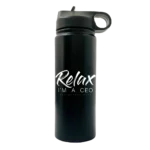
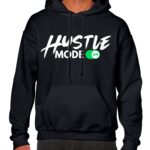
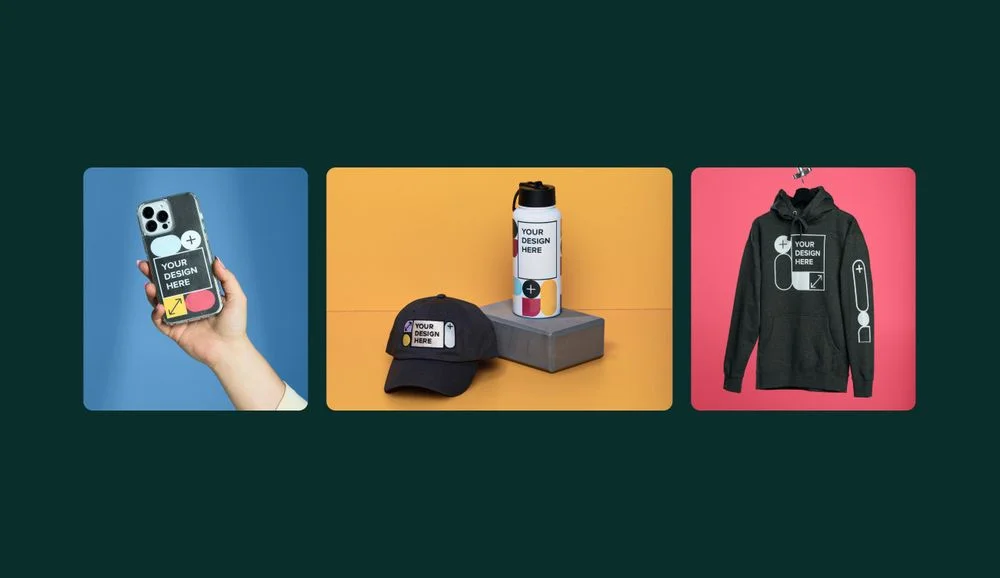
Customized products can include apparel (T-shirts and hats) or promotional items (mugs, pens, and USB drives). Custom packaging, labels, and stationery are also popular categories, especially for businesses that want to reinforce a cohesive brand experience. The most important takeaway is to select items that represent your brand’s identity and signal to your audience. If you’re promotional and you also happen to be in wellness, think personalized yoga mats or bottles, etc.
How can I ensure my custom products are high-quality?
To guarantee quality, investigate and select a trusted supplier who will provide high-quality materials and workmanship. Whenever possible, request samples to assess the product quality. It would also be beneficial to read reviews and check references from previous clients. Communicate your expectations clearly with the supplier, which will help ensure they meet your desired outcome.
What is the best method for customizing products for my business?
Depending on the item and your intention, the optimum technique will differ. Screen printing and embroidery are both great options for apparel while laser engraving or digital printing would be preferable for hard goods. Look at the advantages, shortcomings, and costs of each method, then plan to consult your supplier to understand what would work best for your business needs.
Can AI help me choose the right customization for my products?
Indeed, artificial intelligence applications can help analyze patterns and data to help identify customization ideas that are likely to work for your brand, including suggestions on color and style combinations, even predicting colors based on analytics. Using these tools will help you stay ahead in making informed decisions about customization you’ve created.
What are MOQs, and why do they matter for my business?
MOQs, or Minimum Order Quantities, are simply the minimum quantity of product you have to buy from a supplier. MOQs matter because they affect your costs and your inventory. Once you know about your MOQs, you can then effectively monitor your cash flow, storage capacities, and actual demand. Negotiating your MOQ is very important, especially if you’re a small business or trying out a new product.
How long does it take to receive custom products after placing an order?
The timeframe is based on how complex your order is and on the suppliers schedule. Generally, custom orders can take anywhere from a couple weeks to a couple months. Always check the turnaround times with your supplier and allow extra time for any unexpected delays to keep your timeline for your business in check.
How can I track the status of my custom product order?
The majority of suppliers allow tracking of your order through their website or customer service representatives. Verify which updates you can receive and at what points during production, and when possible, encourage communication. Some suppliers use automated systems to send updates via email or SMS so you can be informed without needing to place a call.
What happens if I receive faulty custom products?
If you encounter defects in the product, you should call your supplier right away to discuss solutions such as replacements, repairs, or a refund. Look at your contractual provisions to determine quality guarantees and procedures to resolve disputes. Photo document the issues so you can provide proof, which may make the process go quickly.
Is it worth ordering custom products in bulk?
Placing bulk orders can be a great way to save money, since suppliers often offer discounts on larger orders. Evaluate your business needs and demand forecasts to determine if placing a bulk order fits your strategy. Ordinarily, where there are deals to be made seems enticing to customers or businesses. It is wise to be cautious when placing bulk orders. Over-ordering can mean excess inventory for you business, which can take away from your business’s ability to flex with the market.